
Hello, and Welcome to the Conscious Closet Conversation!
It seems like everywhere you look these days, someone is talking about ‘sustainable fashion.’ It’s a term that gets thrown around a lot, often making it sound complex or intimidating. But at its heart, it’s really just about making thoughtful choices.
Here at moneytags.site, we believe sustainable fashion isn’t a restrictive trend; it’s a powerful movement toward a kinder, cleaner way of dressing. It’s about aligning your everyday style with your values, ensuring your clothes look good on you and do good for the world.
We’re going to break down exactly what sustainable fashion means, look at its core pillars, and explain why choosing a mindful wardrobe is one of the most practical and impactful decisions you can make today.
Defining Sustainable Fashion: Beyond the Buzzword
At its most basic, sustainable fashion is a movement and process of fostering change to fashion products and the fashion system toward greater ecological integrity and social justice. That sounds technical, but let’s make it simpler.
It means designing, manufacturing, distributing, and using clothing in ways that are environmentally sound, socially responsible, and economically viable. It considers the entire lifecycle of a garment, from the fiber stage to the moment you decide to part with it.
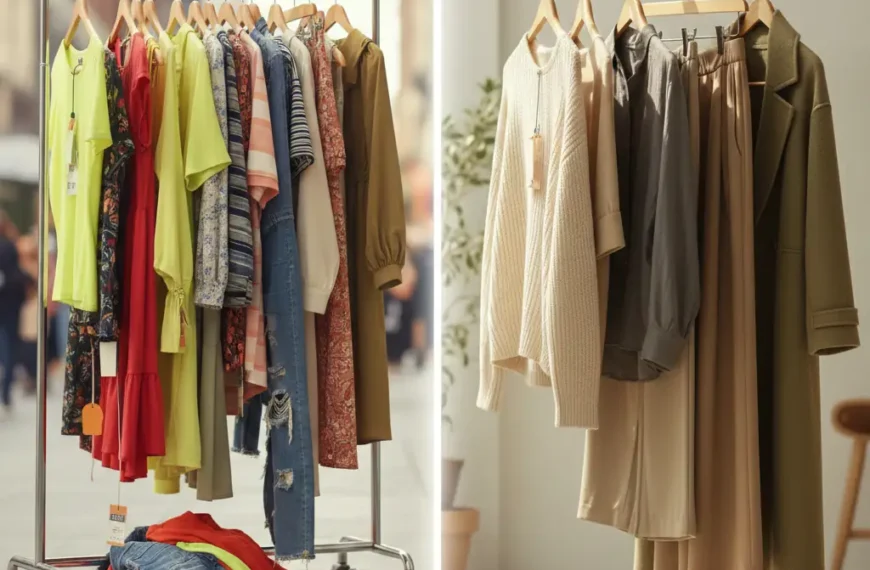
Think of it as the opposite of ‘fast fashion,’ which relies on quickly produced, low-cost clothing designed to be worn a few times and then discarded. Sustainable fashion focuses on quality, longevity, and respecting the people and resources involved.
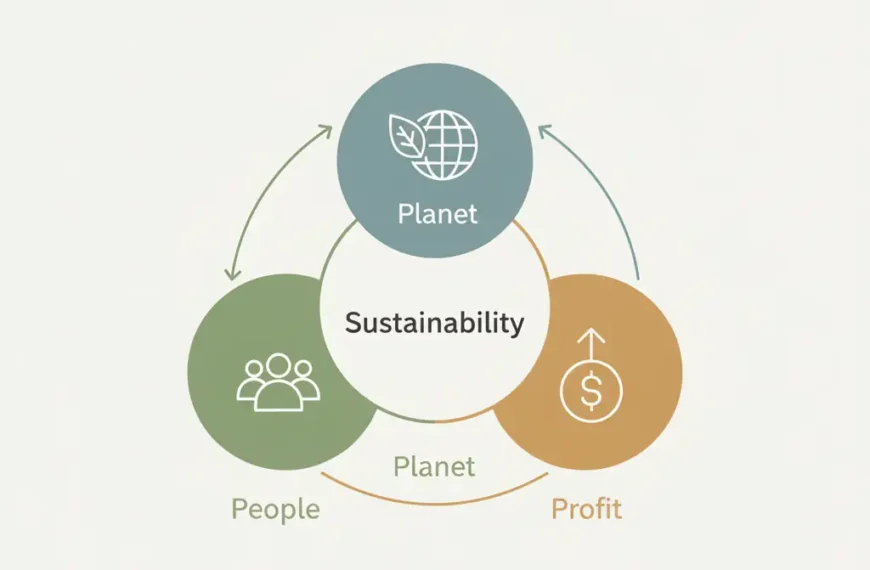
The Three Pillars of True Sustainability
When you hear about a brand being sustainable, they should be addressing three main areas. It’s not enough to just use organic cotton; the practices must be holistic.
1. Environmental Integrity (Planet): This pillar focuses on reducing the ecological footprint. It includes using fewer resources like water and energy, reducing harmful chemicals and waste, and selecting materials that are renewable, recycled, or regenerative.
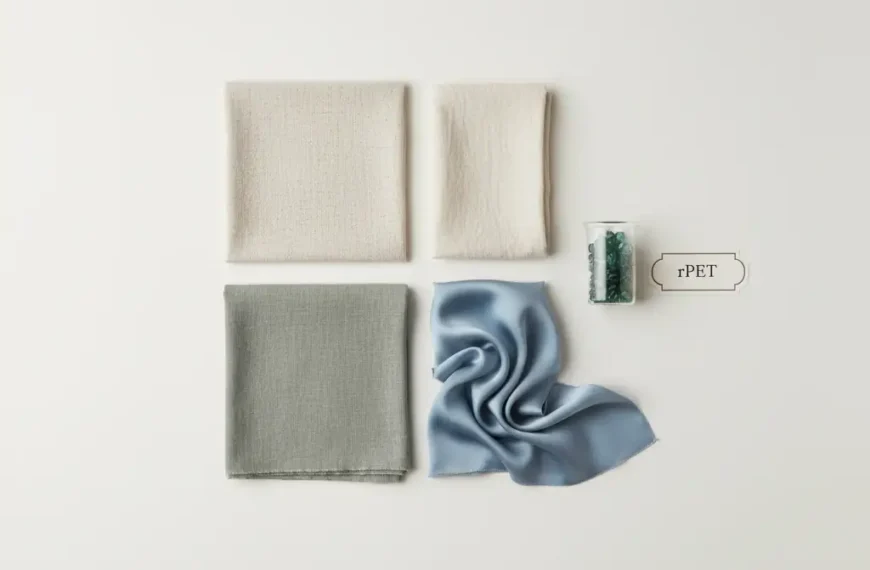
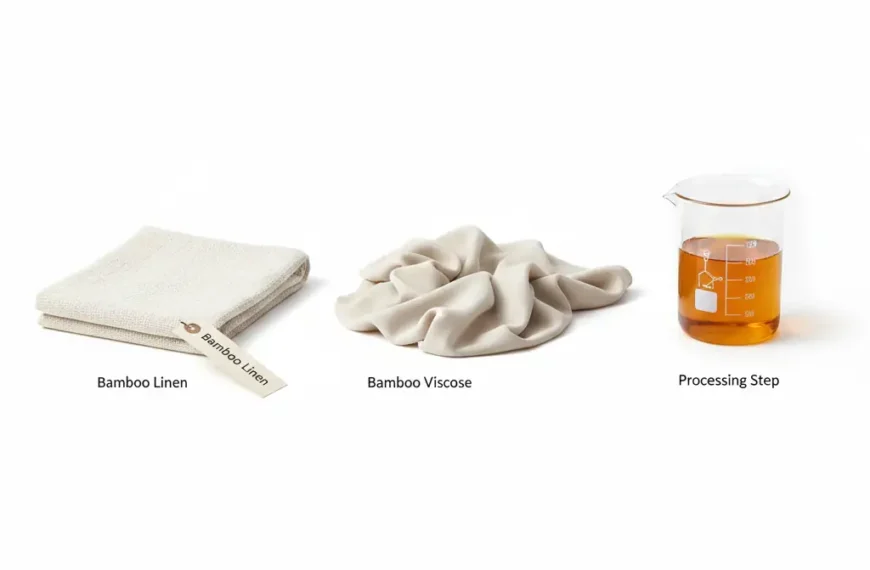
Example: Instead of polyester (made from fossil fuels), a sustainable brand uses TENCEL™ Lyocell, which comes from sustainably harvested wood pulp using a closed-loop system that recycles water and solvents.
2. Social Justice (People): This is the ethical side. It’s about ensuring fair wages, safe working conditions, and respect for human rights across the entire supply chain, from the cotton farmer to the factory worker. Transparency here is key.
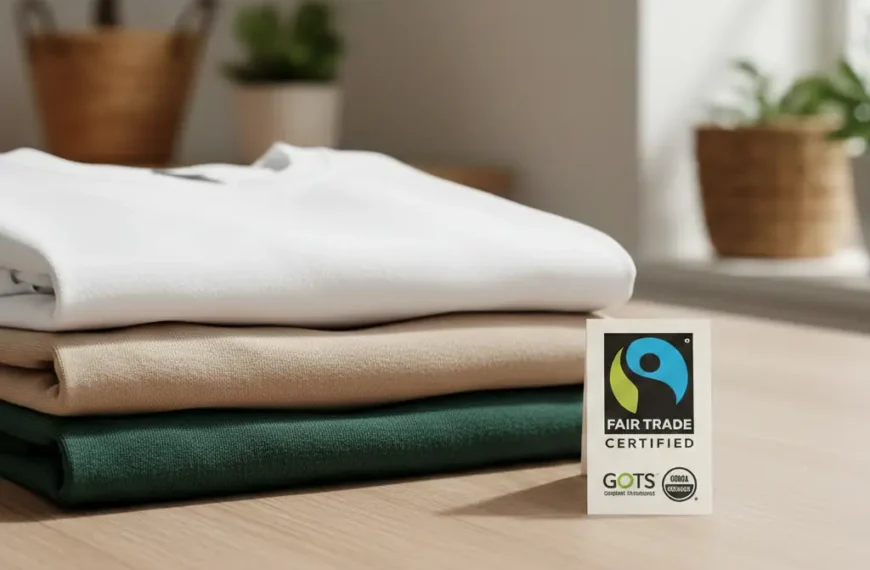
Example: A company earns Fair Trade certification, guaranteeing that the people who stitched your dress were paid fairly, given benefits, and work in a facility audited for safety.
3. Economic Viability (Profit): A business can only be truly sustainable if it lasts. This pillar ensures that the sustainable practices adopted are financially sound for the long term, supporting local communities and resisting the pressure to chase destructive, ultra-low prices.
Why Sustainable Fashion Is So Important Now
The fashion industry is currently one of the world’s largest polluters. The sheer volume of clothes produced, consumed, and quickly thrown away creates massive problems. Choosing sustainable pieces is a direct vote against these damaging practices.
The Environmental Impact We Must Address
Water Use and Pollution
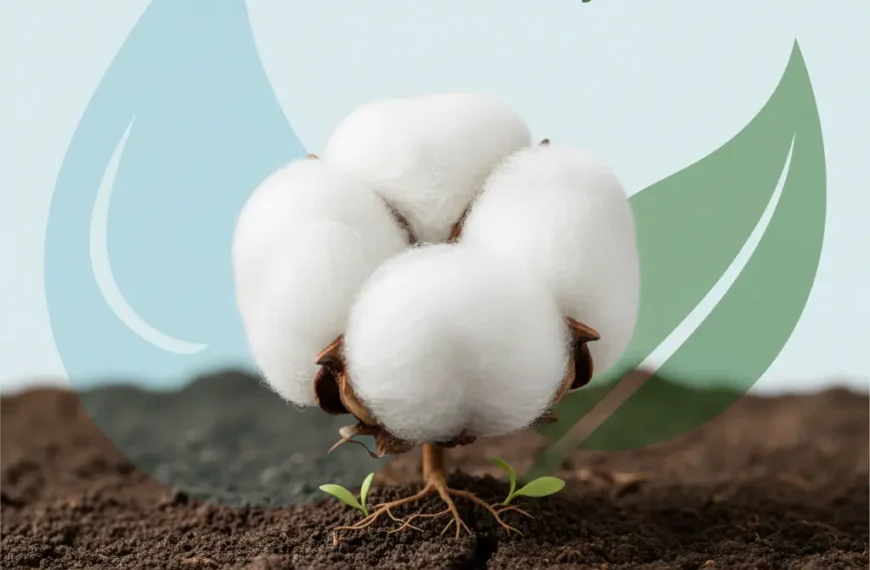
Conventional cotton, for instance, is incredibly thirsty and resource-intensive. Beyond that, the dyeing process for textiles is a major source of water pollution, dumping toxic chemicals into rivers and local water sources in manufacturing countries.
By prioritizing materials like recycled fabrics or those using low-impact dyes, we significantly reduce this strain on vital freshwater supplies and protect vulnerable ecosystems.
Waste and Landfills
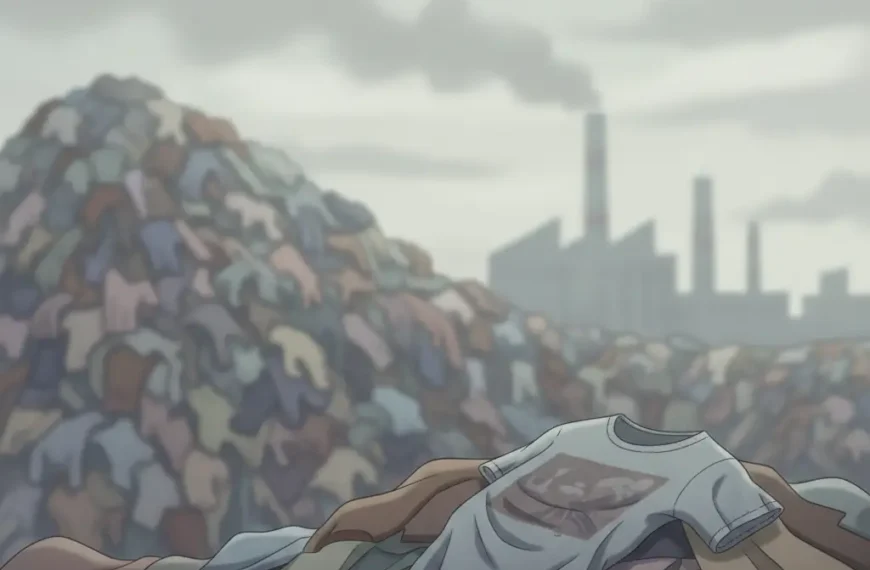
The pace of fast fashion means that approximately one garbage truck of textiles is dumped into a landfill or incinerated every single second. Most of these garments are synthetic, meaning they will sit there for hundreds of years without fully decomposing.
Sustainable fashion combats this through a focus on durability, repair, and circularity—keeping items in use for as long as possible instead of sending them straight to the bin.
Carbon Emissions
The globalized supply chain, from growing the fiber to shipping the finished garment around the world, requires vast amounts of energy, often generated by fossil fuels. Sustainable practices push for localized production, use of renewable energy in factories, and more efficient transportation methods to cut down on these emissions.
The Human Cost: Ethical Concerns
The drive for cheap clothes often leads to appalling conditions for workers in garment factories, particularly in developing nations. Issues like forced overtime, unsafe structural conditions, and wages that do not meet living costs are rampant.
When you buy from a transparent, sustainable brand, you are supporting models that prioritize human dignity and well-being. This is arguably the most crucial aspect: putting the welfare of people before corporate profit margins.
💡 Design Highlight: The Beauty of Less
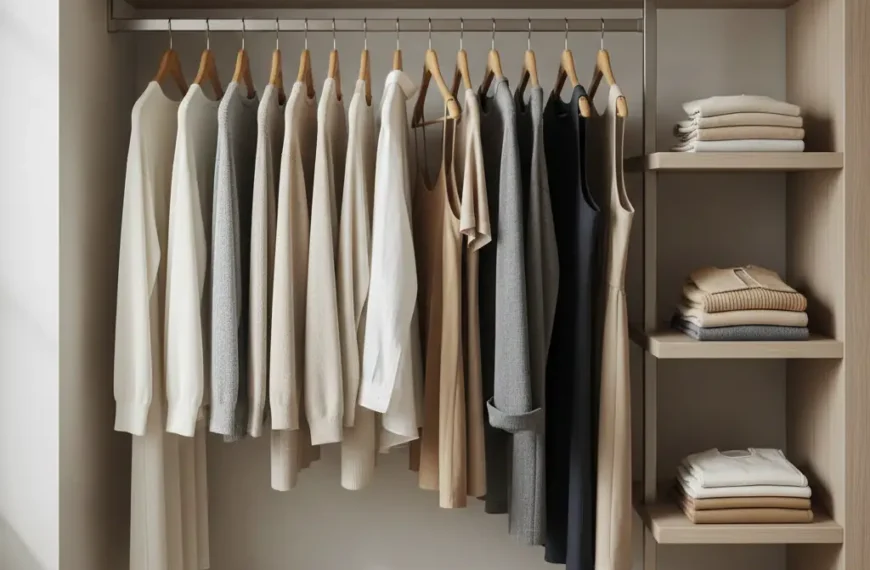
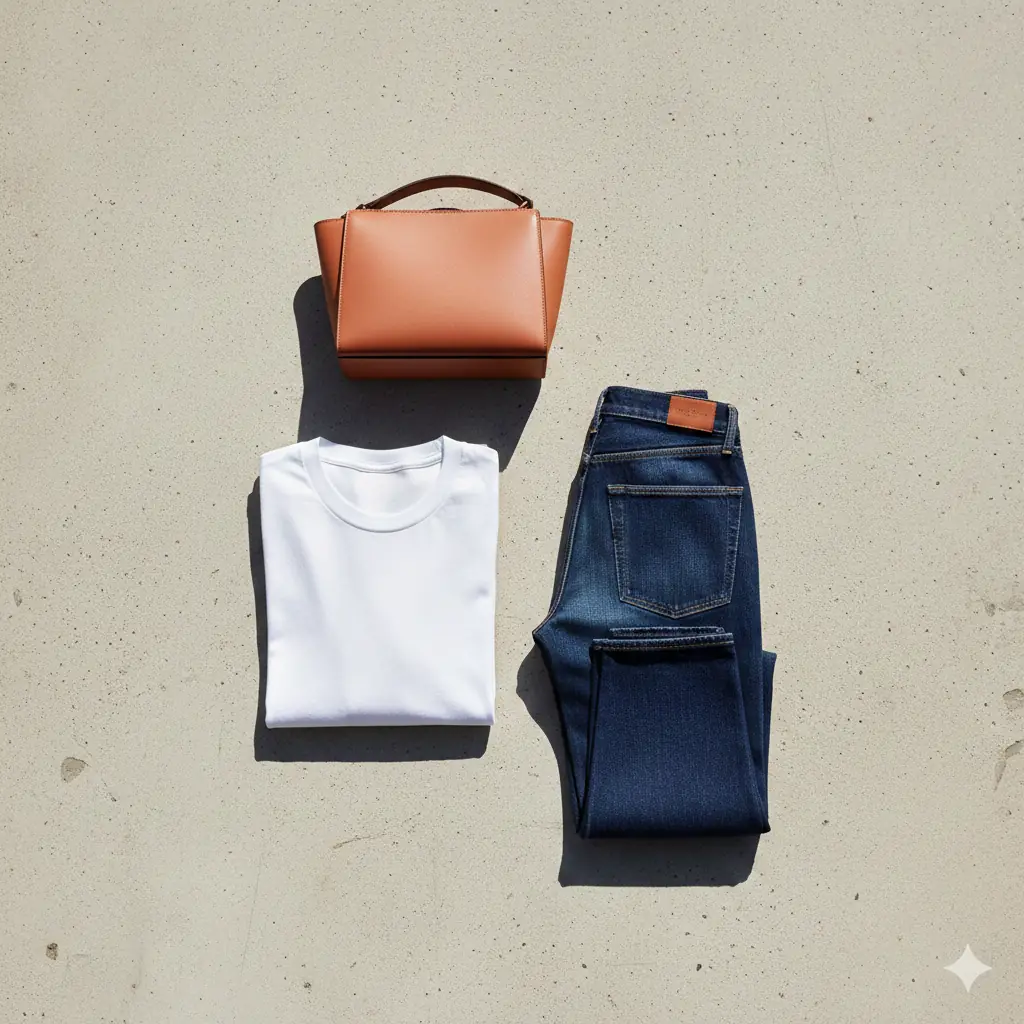
Sustainable fashion often goes hand-in-hand with minimalism—the idea that you need fewer, better-quality items. This reduces decision fatigue and ensures every piece in your wardrobe is something you truly love and wear often.
It promotes an aesthetic of timelessness over fleeting trends, leading to a more sophisticated and enduring personal style.
How to Embrace Sustainable Fashion: Practical Steps
Making the switch doesn’t mean replacing your entire wardrobe overnight. It’s about adopting new habits one step at a time. The most sustainable item is the one you already own!
1. Practice Slow Fashion
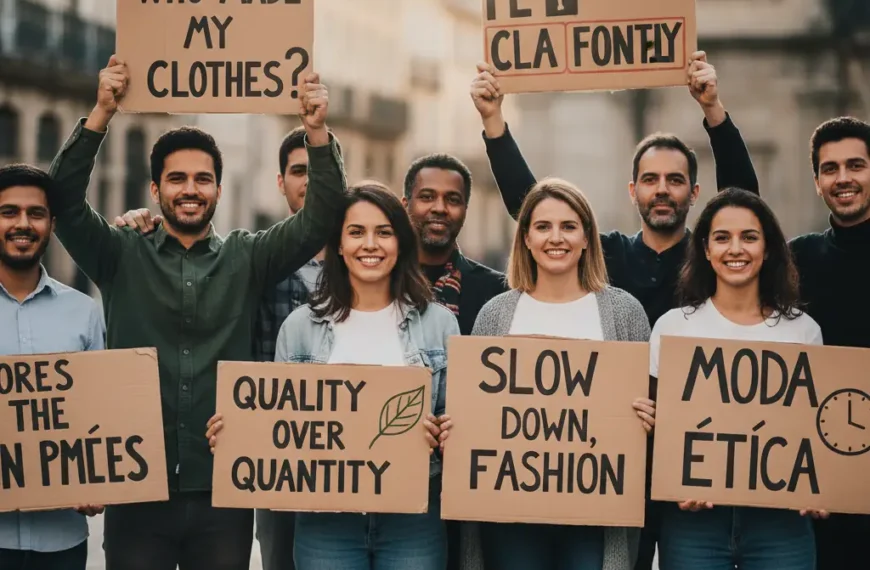
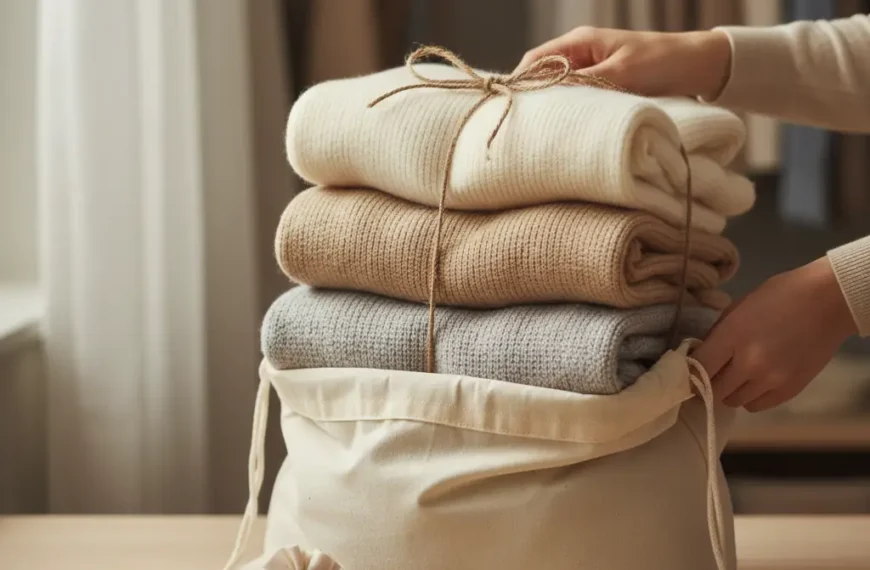
Slow fashion means resisting the urge to constantly buy new things. Instead, cherish your existing pieces. Learn how to care for them properly—washing less often, air-drying, and folding gently can drastically extend a garment’s life.
2. Prioritize Quality Over Quantity
When you do need to buy something, invest in pieces made with durable materials and thoughtful construction. A well-made shirt that costs a little more but lasts ten years is far more sustainable (and cheaper, in the long run) than ten cheap shirts you buy and toss.
Micro-Case Example: Imagine buying a $10 tee that lasts 5 washes versus a $50 tee that lasts 50 washes. The $50 tee costs $1 per wear, while the $10 tee costs $2 per wear, proving that quality often saves you money and resources.
3. Explore Circularity
The circular economy means eliminating waste by continually using resources. For fashion, this means embracing the 5 R’s: Rethink, Reduce, Reuse, Repair, and Recycle.
- Reuse: Shop secondhand, vintage, or through clothing swaps.
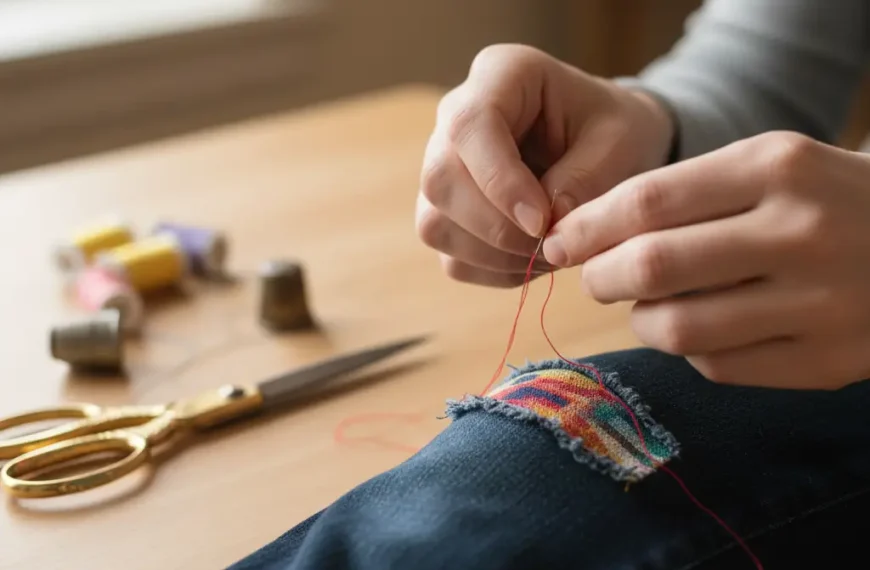
- Repair: Fix a loose hem or replace a button instead of discarding the item.
- Recycle: Use textile recycling programs when an item is truly beyond repair.
4. Research Your Brands
Transparency is key. Look for brands that openly share their supply chain, their factory audit results, and their commitment to fair labor practices. Organizations like B Corp, Fair Trade, and GOTS (Global Organic Textile Standard) offer trusted certifications to guide your choices.
Notes on Moving Forward with Your Style
Shifting to a more conscious wardrobe is a journey, not a destination. Don’t let perfection be the enemy of progress. Every time you choose to repair a pair of pants, buy a vintage sweater, or research an ethical brand, you are contributing meaningfully to the movement.
- Remember: Sustainable fashion is about valuing people and planet over fleeting profit.
- Start Small: Begin by tracking your own consumption habits for one month.
- Focus on Joy: A minimalist, sustainable wardrobe should be one that brings you genuine satisfaction and lasting style, not stress.
Final Thoughts on Making a Difference
The clothes we wear tell a story, and sustainable fashion allows that story to be one of hope, responsibility, and intentionality. It shifts the power from large, anonymous corporations back to us, the consumers, who can demand better.
By embracing these principles, you are not just changing your closet; you are helping to change an entire industry. Welcome to a more conscious, beautiful way of dressing. We’re here to help you every step of the way!
 By
By