
Welcome to moneytags.site! As you start exploring the world of conscious consumerism, one topic always comes up: the major difference between Fast Fashion and Slow Fashion. It’s a fundamental concept, and understanding it is the first step toward making choices that feel good and do good.
It’s easy to get overwhelmed by all the industry jargon, but don’t worry. Think of this guide as your friendly, grounded roadmap to seeing the entire clothing industry through a new, clearer lens. We’re going to break down these two opposing ideas simply and logically.
Understanding Fast Fashion: The Need for Speed
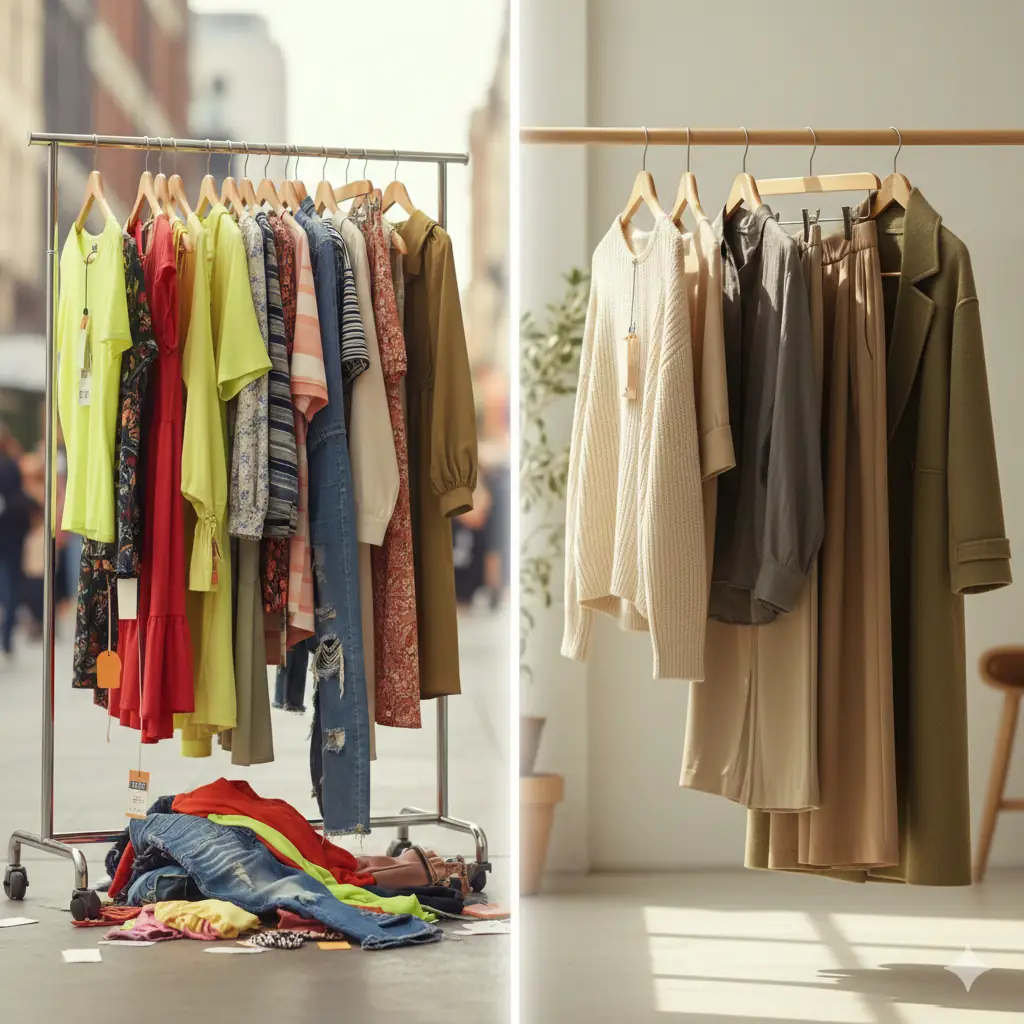
Fast fashion is exactly what it sounds like: clothing production that moves at an incredibly high speed. It’s all about getting the latest runway trends and celebrity styles into stores and online shops as quickly and cheaply as possible.
The core business model relies on volume and rapid turnover. Companies release dozens of new collections a year, sometimes weekly, instead of the traditional two (Spring/Summer and Fall/Winter).
For example, you might see a popular celebrity wearing a unique style at an awards show on Monday, and a similar, budget-friendly version of that exact dress could be available for purchase by Friday.
The Drawbacks of Speed and Price
While the low price tag and constant newness are attractive, this model comes with significant ethical and environmental costs. The speed requires corners to be cut, which often happens in material quality and labor practices.
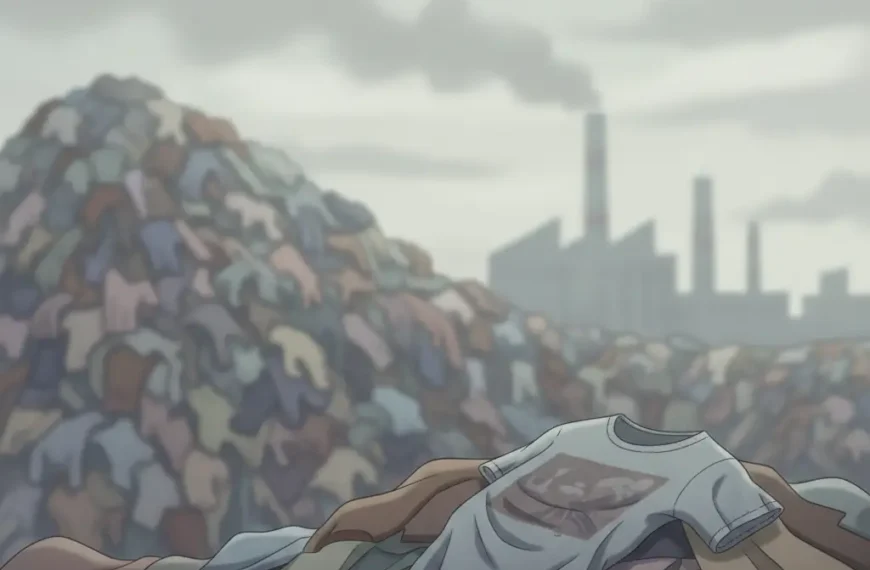
The materials used are typically cheap, synthetic fabrics like polyester, which are derived from fossil fuels and don’t biodegrade easily. This leads to what is often called a linear economy—take, make, dispose—and mountains of textile waste.
Furthermore, the pressure to produce clothing so cheaply often results in poor working conditions and extremely low wages for the people making the clothes. This is the human cost hidden behind that super-low price.
When you buy a t-shirt for five dollars, someone, somewhere, is paying a much higher price for it.
Exploring Slow Fashion: Quality Over Quantity
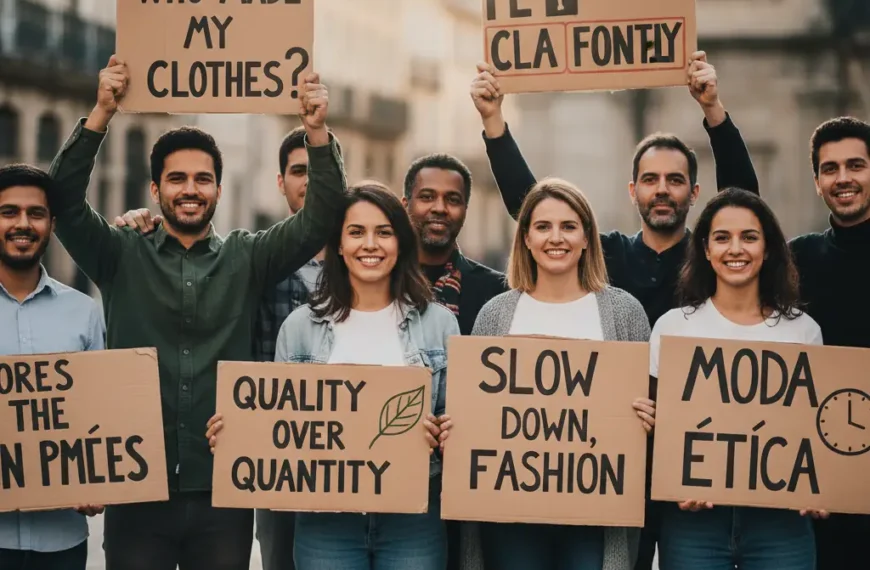
Slow fashion is the philosophical opposite of its fast counterpart. It’s a movement and a choice that advocates for slower production schedules, timeless designs, and the use of high-quality, sustainable materials.
The central idea here is to create clothing built to last, both in terms of durability and style. It champions thoughtful consumption—asking you to buy less, choose well, and make your clothes last.
Instead of chasing fleeting trends, slow fashion brands focus on classic, versatile pieces that you can wear for years. Think of a beautifully tailored linen shirt or a well-made pair of boots, rather than a novelty item you’ll wear once.
The Benefits of a Slower Approach
This method prioritizes craftsmanship, ethical production, and environmental stewardship. It’s about building a circular economy where materials are valued, reused, and recycled.
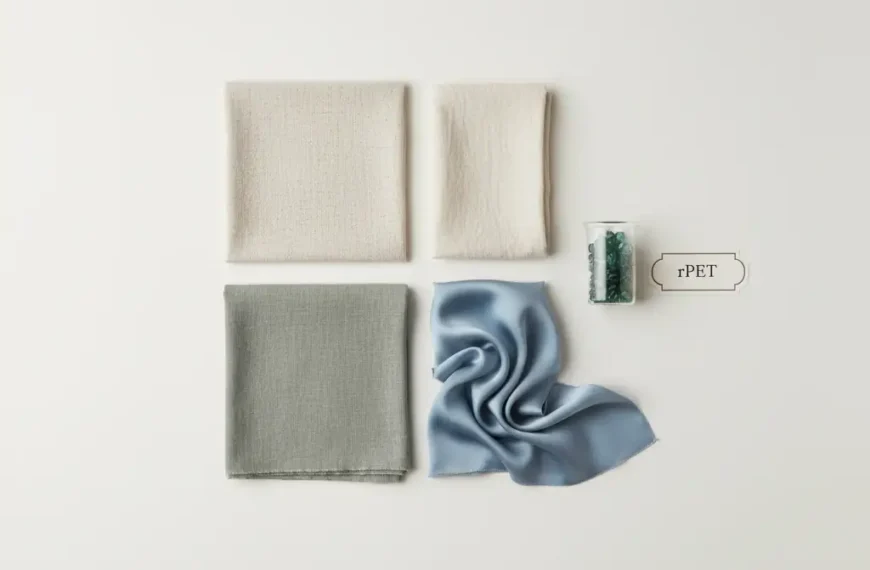
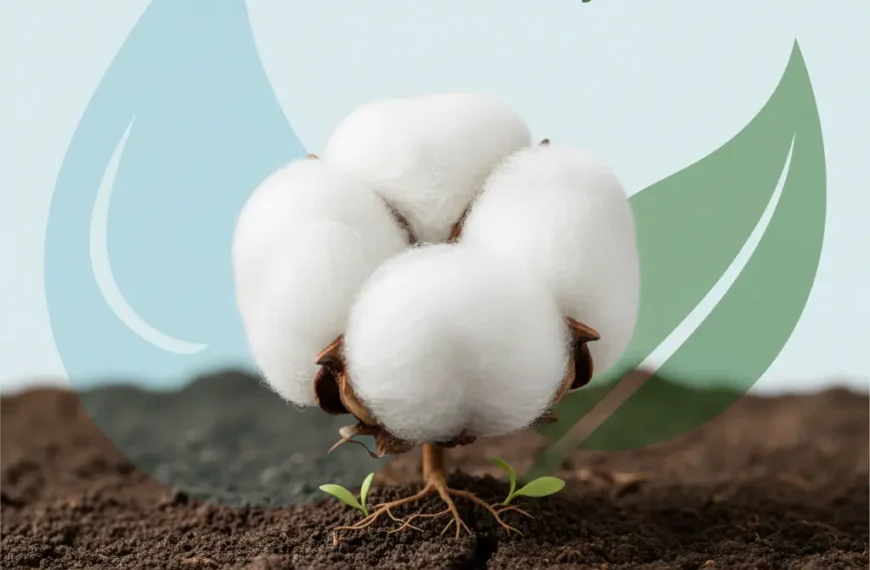
Many slow fashion brands use organic cotton, linen, hemp, or recycled fibers, which have a much lower environmental impact than conventional materials. They also often provide transparency about their supply chain and factory conditions.
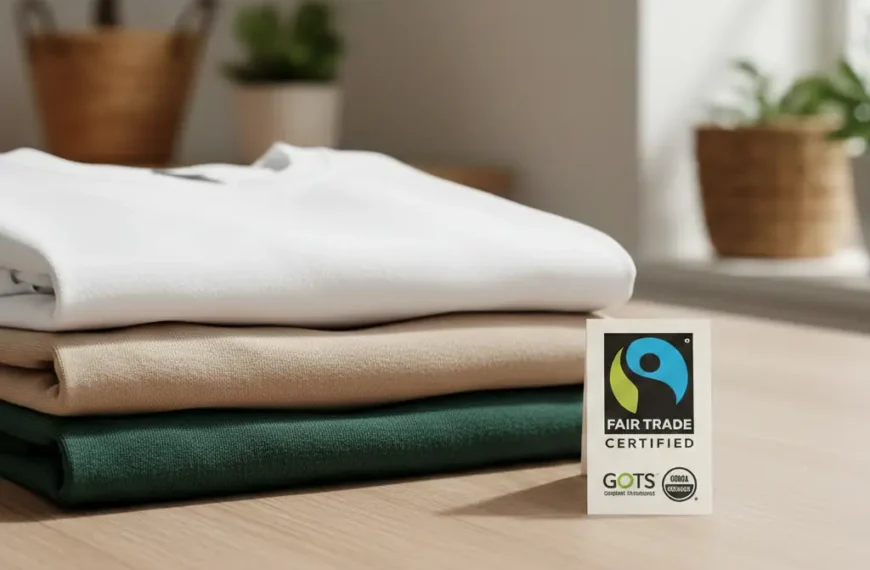
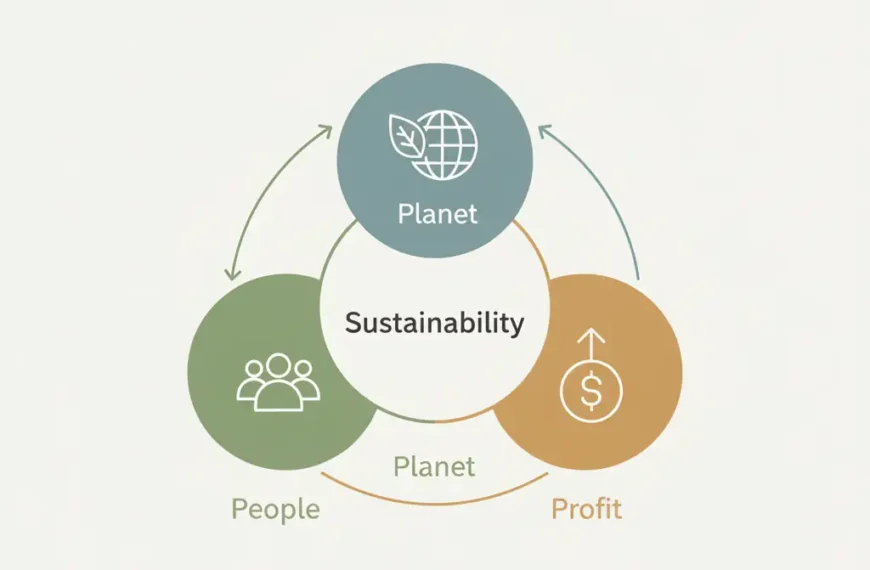
This means you can trace the origins of your clothing and know that the workers involved were paid a fair wage and operated in safe environments. You’re supporting people and the planet, not just a profit margin.
The Key Differences at a Glance 📊
To help solidify the contrast, here is a simple breakdown of the main points that separate these two approaches to clothing.
- Production Cycle: Fast Fashion sees *new collections weekly*; Slow Fashion sees *collections maybe twice a year* or offers *timeless, continuous stock*.
- Materials: Fast Fashion relies on *cheap, synthetic fibers (like virgin polyester)*; Slow Fashion uses *high-quality, natural, or recycled fibers (like organic cotton or Tencel)*.
- Price Point: Fast Fashion is *extremely low-cost*; Slow Fashion is *higher up-front cost*, reflecting the quality and ethical production.
- Longevity: Fast Fashion pieces are *designed to be disposable* and fall apart quickly; Slow Fashion pieces are *designed for durability* and multi-year use.
- Workers’ Rights: Fast Fashion has *low transparency and poor labor conditions*; Slow Fashion focuses on *supply chain transparency and fair, living wages*.
The Global Impact: Why Your Choice Matters
It can feel like one person’s choices don’t make a difference, but when it comes to the textile industry, the collective impact is huge. The fashion industry is responsible for a massive amount of global carbon emissions and water pollution.
By choosing slow fashion—or even just cutting back on your fast fashion purchases—you are directly voting with your wallet for a less wasteful and more ethical future. This shift in demand is what drives real change in corporate practices.
Did You Know? Fast Fashion Statistics
Understanding the scale of the problem can be quite eye-opening. Here are a few key facts to consider:
- Globally, an estimated 85% of textiles end up in landfills each year.
- Washing synthetic clothes releases half a million tons of plastic microfibers into the ocean annually—the equivalent of over 50 billion plastic bottles.
- It can take 2,700 liters of water to produce the cotton needed for a single t-shirt—the amount a person drinks over 2.5 years.
Starting Your Slow Fashion Journey 🚀
The jump from a fast fashion mentality to a slow one doesn’t have to be immediate or expensive. It’s a transition, a mindful practice you adopt over time. Focus on making thoughtful improvements, not on achieving overnight perfection.
Here is a simple roadmap to help you begin transforming your habits and your wardrobe today.
- Take Inventory: Go through your current wardrobe and see what you actually wear and what you love. Donate or recycle anything you haven’t touched in over a year.
- Adopt the ’30 Wears’ Rule: Before buying any new item, ask yourself, “Will I wear this at least 30 times?” If the answer is no, put it back. This immediately prioritizes longevity.
- Explore Secondhand: Make vintage, consignment, and thrift stores your first stop. Buying pre-owned clothing is the most sustainable choice you can make.
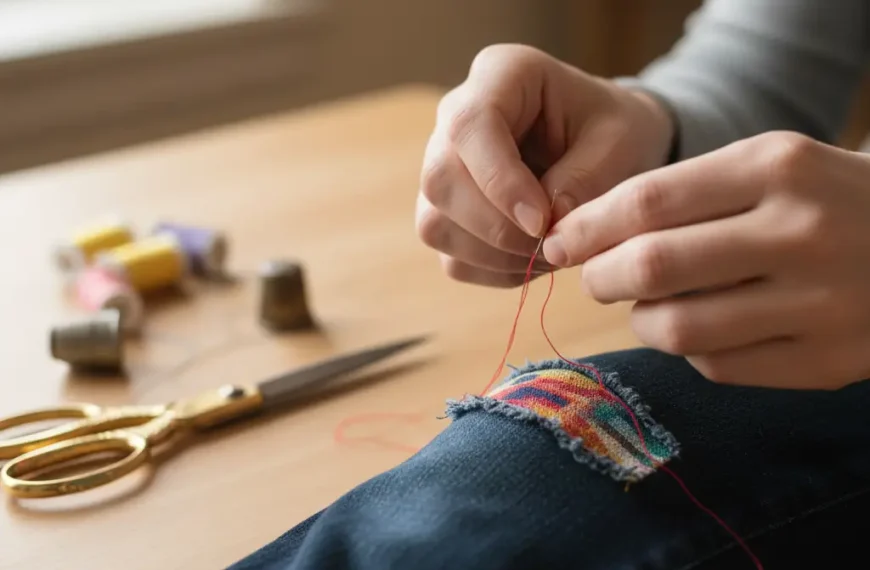
- Learn Basic Care: Simple acts like washing clothes in cold water, air-drying them, and learning to sew on a button drastically extend the life of your garments.
- Invest Thoughtfully: When you do buy new, save up for higher-quality, ethically-made pieces that you know will last. Consider cost-per-wear rather than just the initial price tag.
Tips for Mindful Shopping
To really cement your new approach, keep these simple, practical tips in mind every time you’re thinking about a purchase:
- Ignore Trends: Focus on classic silhouettes and colors that work for your personal style, rather than the latest fleeting craze.
- Check the Label: Look for natural, durable, or recycled fibers. Avoid 100% polyester if you can, as it sheds microplastics and doesn’t breathe well.
- Research Brands: A quick search can tell you a lot about a brand’s sustainability and labor practices. Look for third-party certifications.
- Repair Before Replacing: Treat a small hole or loose seam as a challenge to repair, not a reason to throw away.
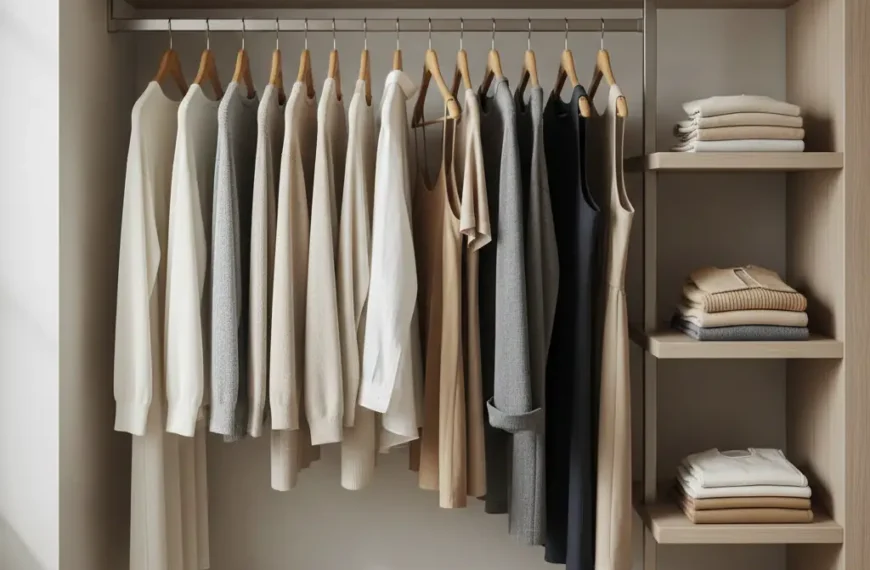
Shifting from fast to slow fashion isn’t about having a sparse wardrobe; it’s about having a meaningful, high-quality, and versatile one. It’s a journey toward becoming a more conscious consumer, and every thoughtful choice you make is a step in the right direction.
 By
By