
⏰ Stepping Off the Treadmill: What is Slow Fashion?
In a world obsessed with ‘newness,’ where trends change almost weekly, the concept of slow fashion might seem a little counterintuitive. But it’s actually a thoughtful, deliberate approach to how we create, consume, and appreciate our clothing.
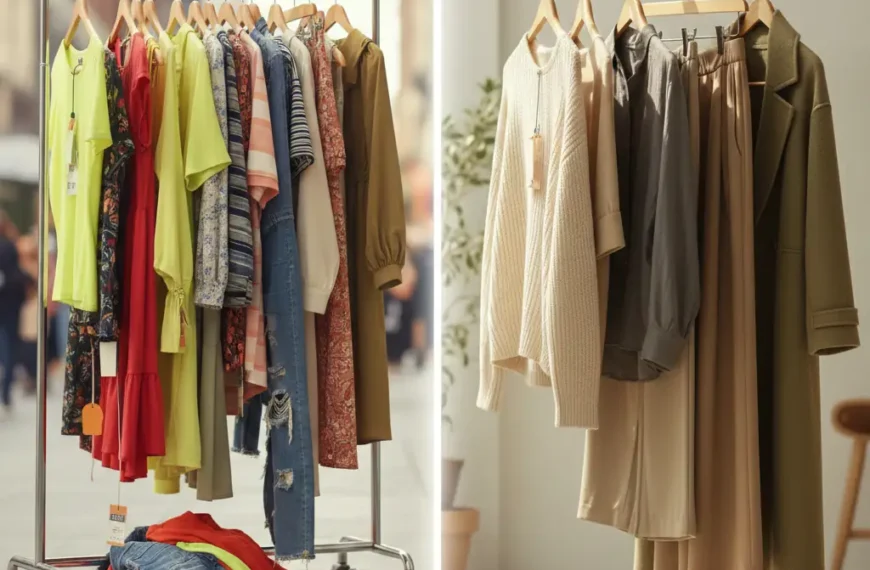
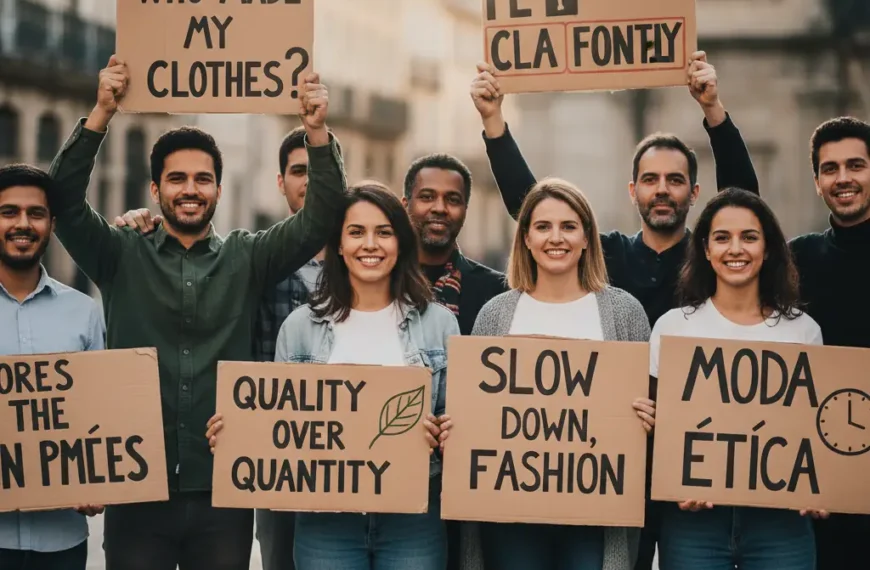
Think of it as the opposite of fast fashion—those inexpensive, mass-produced garments that are quickly bought and often quickly discarded. Slow fashion prioritizes quality over quantity, ethical production over speed, and timeless style over fleeting trends.
It’s a movement rooted in respecting resources: the planet’s materials, the hands that craft our clothes, and our own personal style journey. It asks us to pause and consider the story behind each stitch.
📉 The Problem with Fast Fashion: A Quick Look
To truly appreciate slow fashion, it helps to understand what it’s reacting against. Fast fashion brought us incredibly cheap clothes, making trends accessible to everyone, but at a hidden cost.
This cost includes massive environmental pollution from textile waste, chemical dyes, and excessive water use. It also often involves exploitative labor practices in factories where workers are underpaid and overworked.
Fast fashion fuels a disposable mentality: buy it cheap, wear it a few times, toss it. This cycle is unsustainable for both people and the planet, filling landfills and draining natural resources.
💡 Quick Insight: The average person now buys 60% more items of clothing than 15 years ago, but keeps them for half as long.
🌱 The Core Principles of Slow Fashion
Slow fashion isn’t just about what you *don’t* buy; it’s about what you *do* buy and how you value it. It’s built on several key pillars that guide conscious choices.
1. Quality Over Quantity
Instead of owning dozens of low-quality items, slow fashion encourages investing in fewer, well-made pieces that are designed to last. A sturdy wool coat might cost more upfront, but it will serve you for years, unlike a cheap synthetic alternative that pills after one season.
2. Ethical Production and Fair Labor
At its heart, slow fashion demands respect for the people who make our clothes. This means ensuring fair wages, safe working conditions, and the absence of child labor, all verified through transparent supply chains.
3. Sustainable Materials and Processes
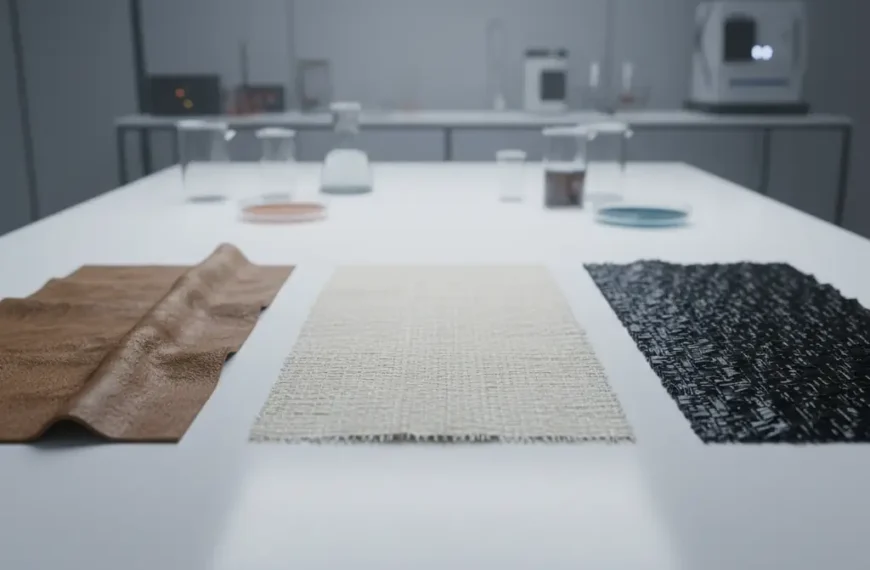
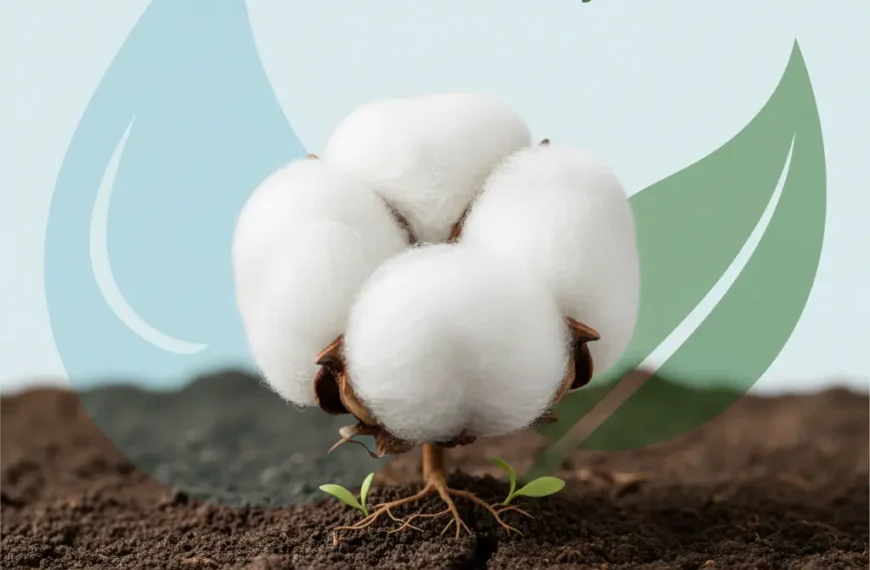
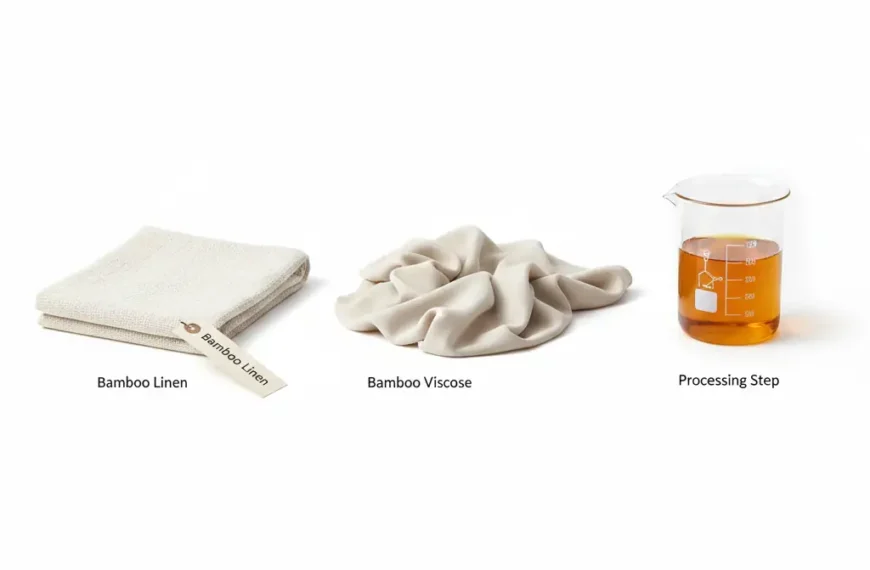
Slow fashion champions eco-friendly materials like organic cotton, linen, hemp, or innovative recycled fabrics. It also favors brands that use less water, fewer harsh chemicals, and employ closed-loop manufacturing systems.
For example, a dress made from Tencel Lyocell, a wood-based fiber produced in a nearly waste-free process, is a slow fashion favorite.
4. Timelessness and Versatility
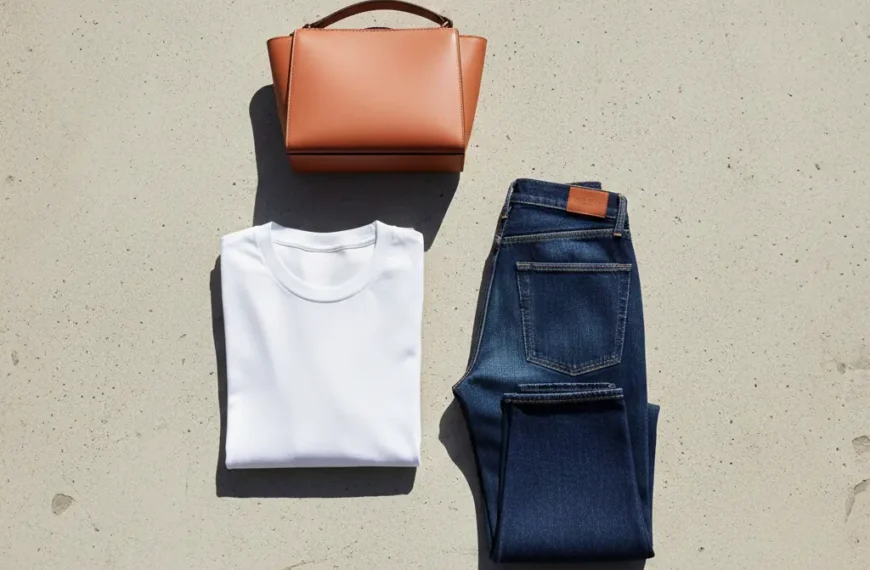
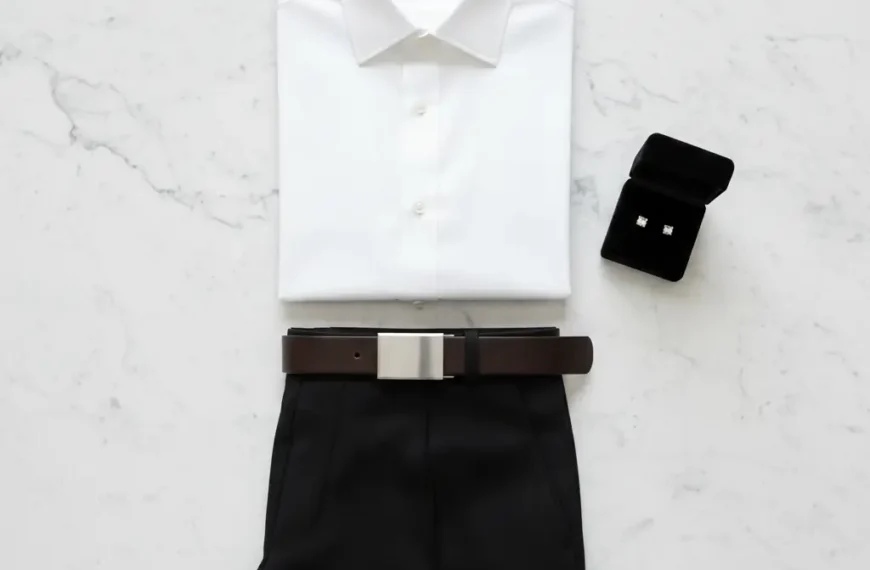
Forget chasing every micro-trend. Slow fashion focuses on classic, versatile designs that stand the test of time. Think classic denim, a perfectly tailored blazer, or a simple, high-quality white t-shirt.
These pieces can be mixed and matched endlessly, reducing the need for constant new purchases and allowing your personal style to shine through.
💖 The Benefits of Embracing Slow Fashion
Switching to a slower approach to fashion isn’t just good for the planet; it’s genuinely beneficial for you too. It transforms your relationship with your wardrobe.
- Build a More Unique Style: When you buy fewer, more curated pieces, your personal style becomes clearer and more authentic.
- Save Money in the Long Run: Investing in durable items means you replace them less often, reducing overall spending over time.
- Reduce Decision Fatigue: A smaller, more cohesive wardrobe makes getting dressed easier and faster each day.
- Support Ethical Businesses: Your purchases become a vote for companies that align with your values, fostering a more responsible industry.
- Greater Appreciation for Your Clothes: You’ll value each piece more, take better care of it, and understand its story.
🚀 Joining the Movement: How You Can Start Today
Ready to slow down your fashion habits? It’s easier than you think, and you don’t need to overhaul your entire closet overnight.
Practical Steps to Take
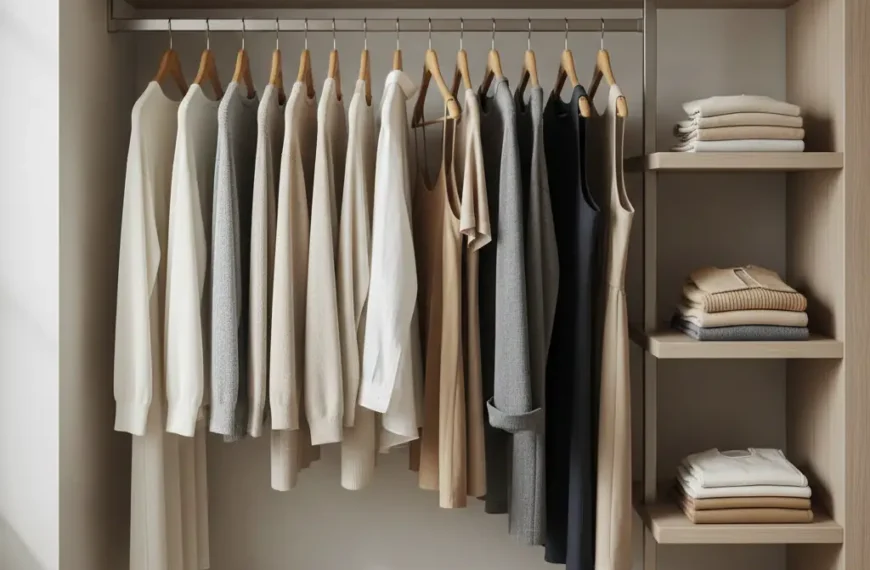
- Audit Your Closet: Start by understanding what you already own. Keep what you love, fits well, and makes you feel good.
- Shop Secondhand First: Explore thrift stores, vintage shops, and online consignment platforms. The most sustainable garment is the one that already exists!
- Invest in Quality Basics: When you do buy new, prioritize foundational pieces made from durable, ethical materials.
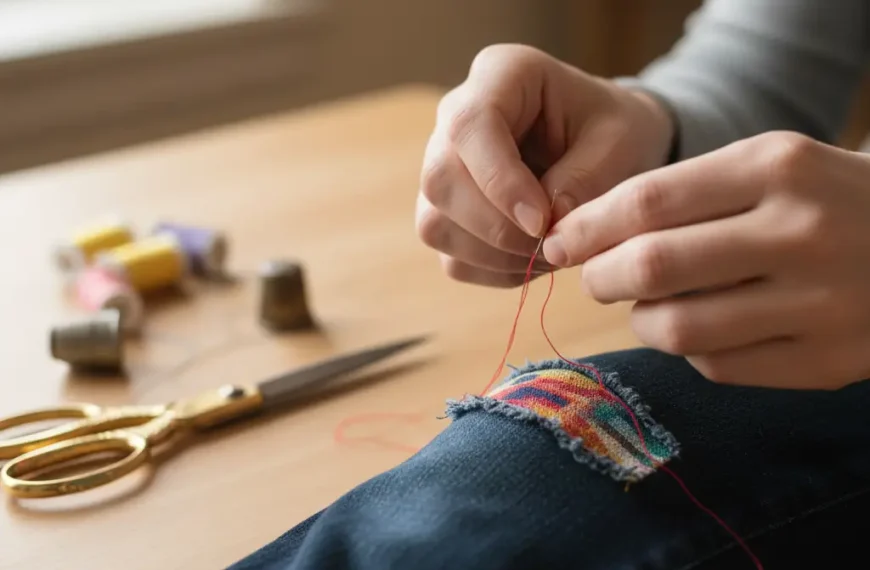
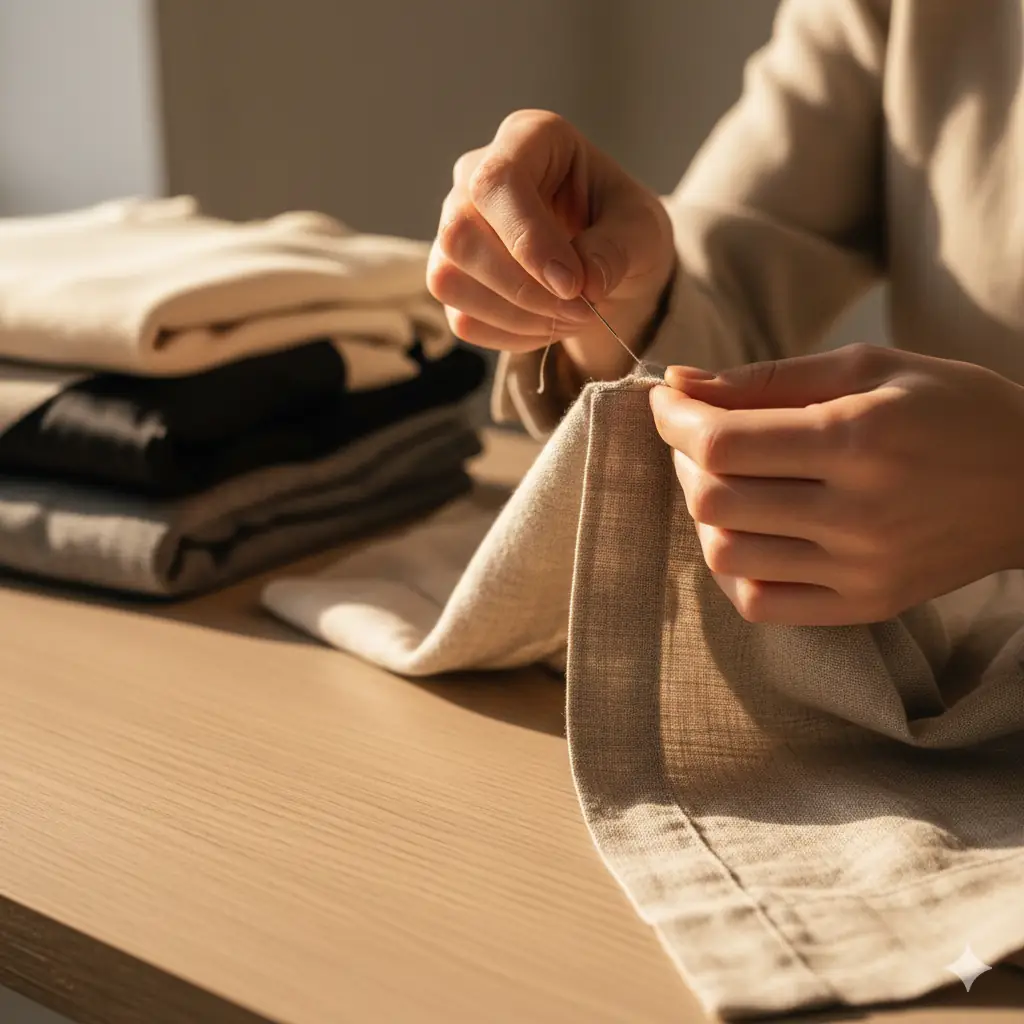
- Repair and Repurpose: Learn basic mending skills, or find a local tailor to extend the life of your favorite items.
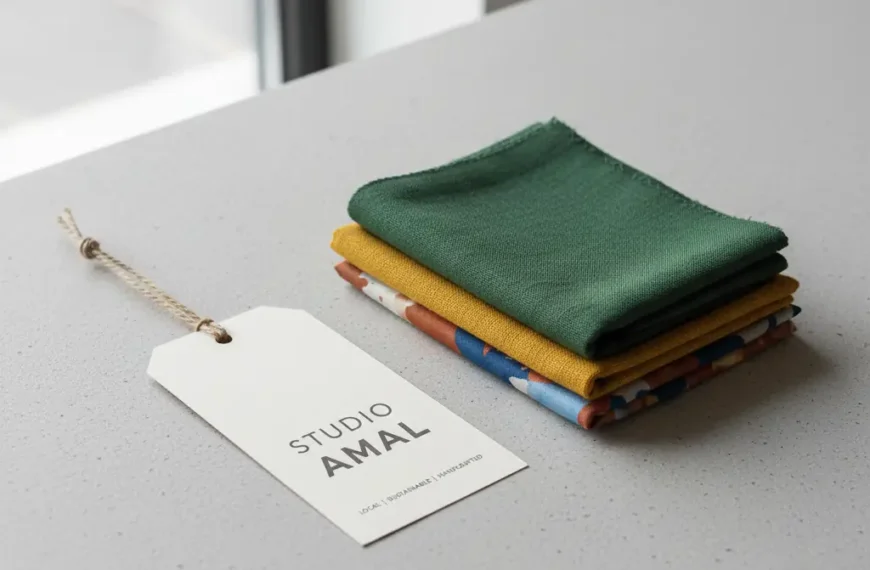
- Ask Questions: Before buying from a brand, check their ‘About Us’ or ‘Sustainability’ pages. Where are their clothes made? What are their labor practices?
The rise of the slow fashion movement is a testament to our growing awareness. It’s a quiet but powerful shift towards a more mindful, sustainable, and ultimately more satisfying way to dress ourselves and engage with the world.
 By
By