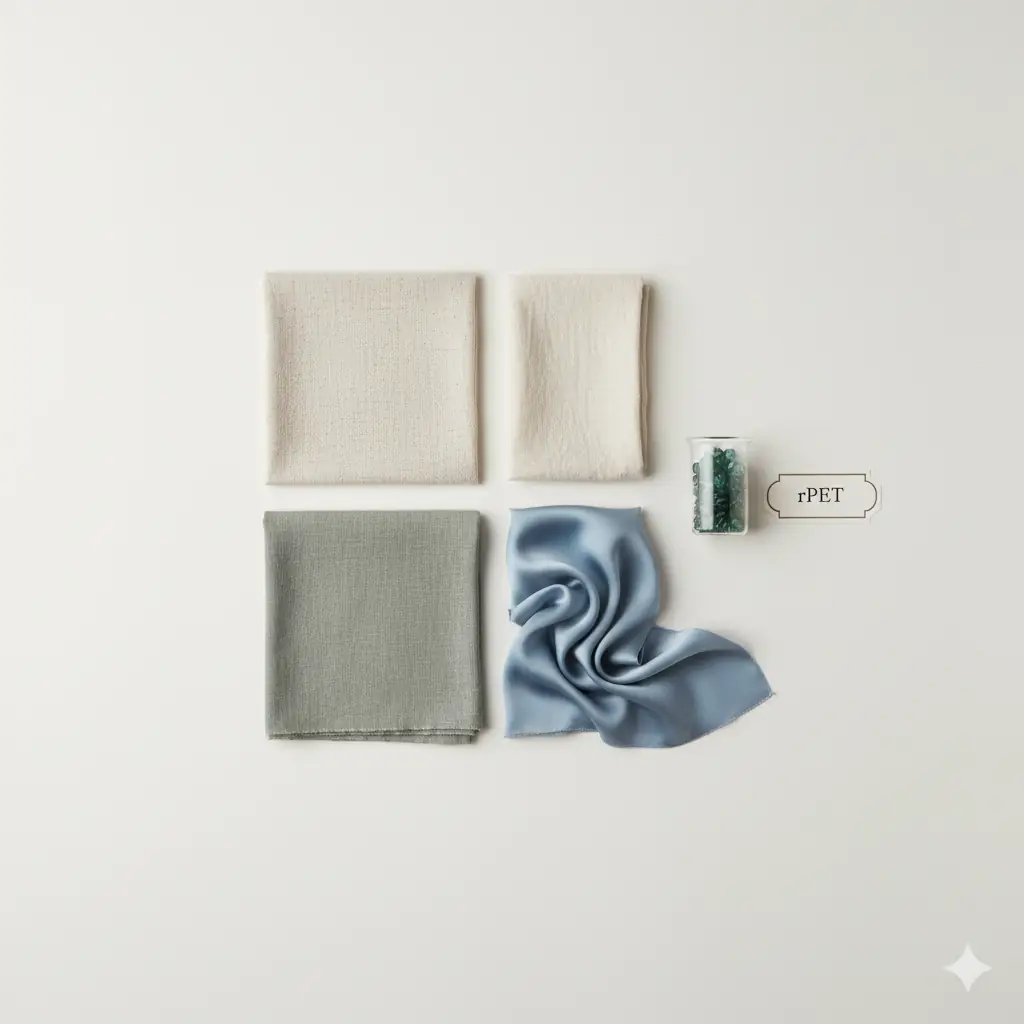

🌱 The Fabric of the Future: Why Material Choices Matter
When we talk about sustainable fashion, our minds often jump to ethical labor or transparent supply chains. While these are crucial, the very fibers our clothes are made from play an equally significant role in their environmental impact.
The journey from raw material to finished garment can be incredibly resource-intensive. Choosing the right fabrics can drastically reduce water consumption, pesticide use, and chemical pollution.
Understanding key sustainable fabrics empowers you to make smarter choices. Let’s dive into the materials that are truly making a difference.
🌿 Natural & Regenerative Fibers: Grown Responsibly
These fabrics come directly from plants or trees, often with processes designed to minimize their footprint.
1. Organic Cotton: A Cleaner Classic
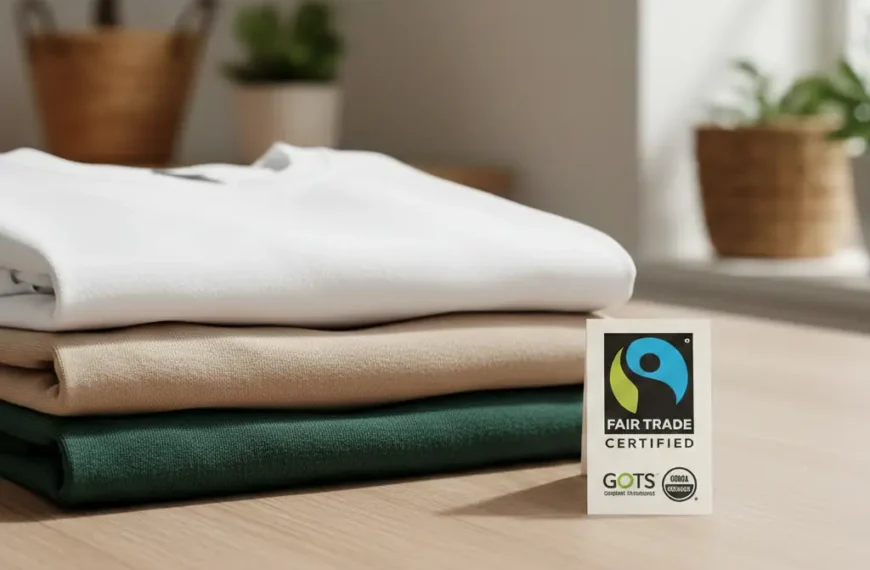
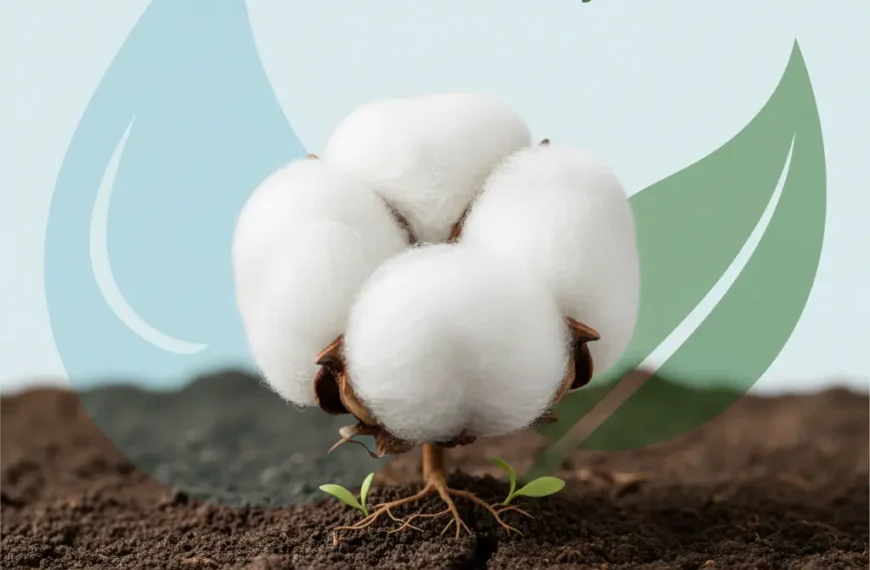
Cotton is a global staple, but conventional cotton farming is incredibly water- and pesticide-intensive. Organic cotton, on the other hand, is grown without harmful synthetic pesticides, fertilizers, or genetically modified organisms (GMOs).
This means healthier soil, less water pollution, and safer conditions for farmers. Look for certifications like GOTS (Global Organic Textile Standard) to ensure true organic integrity from farm to factory.
2. Linen: Nature’s Durable Workhorse
Derived from the flax plant, linen is a fantastic sustainable choice. It requires significantly less water and fewer pesticides than cotton, and nearly every part of the flax plant can be used, creating minimal waste.
Linen is also incredibly durable, breathable, and gets softer with every wash. Its natural strength means your garments will last for years, further reducing consumption.
3. Hemp: The Unsung Hero
Hemp is often hailed as a ‘miracle crop’ for its sustainable properties. It grows rapidly without needing much water or pesticides, and it actually enriches the soil it grows in.
Fabrics made from hemp are strong, durable, and naturally resistant to mold and UV light. It softens over time, much like linen, making it an excellent choice for long-lasting apparel.
4. Tencel™ Lyocell & Modal: The Tree-Based Innovators
Tencel is a brand name for sustainable fibers (Lyocell and Modal) derived from wood pulp—often eucalyptus. Its production is revolutionary due to its closed-loop system.
This means that almost 99% of the water and non-toxic solvents used in processing are recovered and reused. Tencel fabrics are known for their incredible softness, breathability, and excellent moisture-wicking properties.
🔄 Recycled & Upcycled Materials: Giving Waste a New Life
These fabrics take existing materials and transform them, diverting waste from landfills and reducing the need for virgin resources.
1. Recycled Polyester (rPET): From Bottles to Blouses
Recycled polyester is made by melting down existing plastics (like PET plastic bottles) and spinning them into new fibers. This process uses significantly less energy and water than producing virgin polyester.
While it’s still plastic, rPET prevents waste from entering landfills or oceans, giving it a valuable second life. It’s commonly found in activewear, swimwear, and outerwear.
2. Recycled Cotton: Closing the Loop
Recycled cotton comes from pre-consumer (factory scraps) and post-consumer (discarded garments) textile waste. This reduces the demand for new cotton, saving water and resources.
It’s often blended with other fibers to maintain strength. This fabric helps create a more circular economy by keeping textiles in use and out of landfills.
3. Upcycled & Deadstock Fabrics: Creative Solutions
Deadstock fabric refers to leftover fabric from larger fashion houses that would otherwise be discarded. Smaller, sustainable brands often purchase these remnants to create unique, limited-run collections.
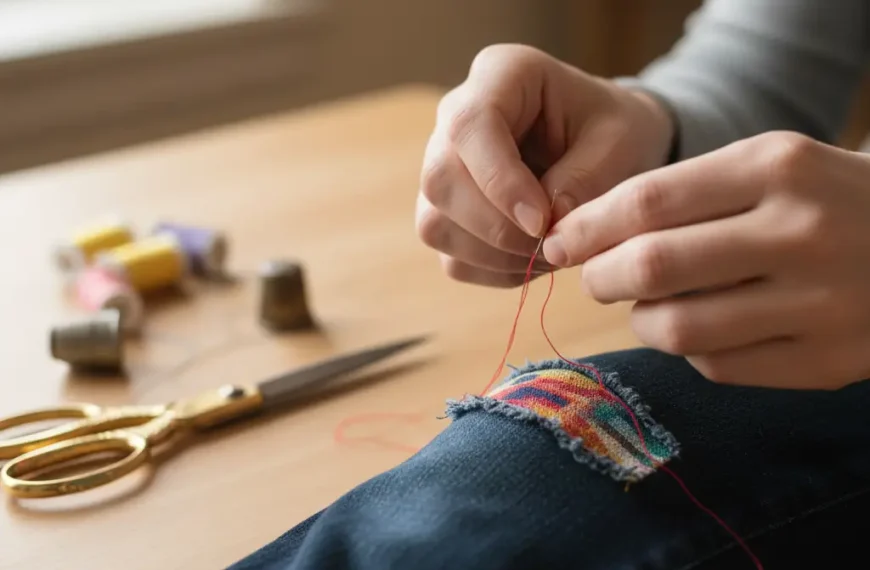
Upcycled fabrics involve taking existing garments or textiles and transforming them into new clothing or accessories. Think of a vintage denim jacket reimagined with new details.
🔬 The Future of Sustainable Fabrics: Innovation on the Horizon
The world of sustainable textiles is constantly evolving, with researchers developing even more eco-friendly options. We’re seeing exciting advancements in areas like mushroom leather (Mylo™) and fabrics made from agricultural waste like orange peels or pineapple leaves (Piñatex™).
These innovations promise even greater reductions in environmental impact. They offer unique textures and properties that push the boundaries of what sustainable fashion can be.
Choosing sustainable fabrics is a powerful way to vote for a better future. By understanding the origins and impacts of what we wear, we contribute to a cleaner, more ethical fashion industry.
 By
By