
Welcome to moneytags.site! In a world increasingly aware of its impact, terms like ‘Fair Trade’ are gaining significant traction, especially in the fashion industry. But what does it truly signify beyond a simple label?
Many of us want our purchasing power to reflect our values, supporting practices that do good for people and the planet. Understanding Fair Trade is a crucial step in becoming a more informed and impactful consumer.
Today, we’re going to unpack the core principles of Fair Trade in fashion, explore its benefits, and help you recognize what to look for when making your next clothing purchase.
The Essence of Fair Trade: A Partnership, Not Charity 🤝
At its heart, Fair Trade is about creating equitable trading partnerships that empower marginalized producers and workers. It’s a system built on dialogue, transparency, and respect, aiming for greater equity in international trade.
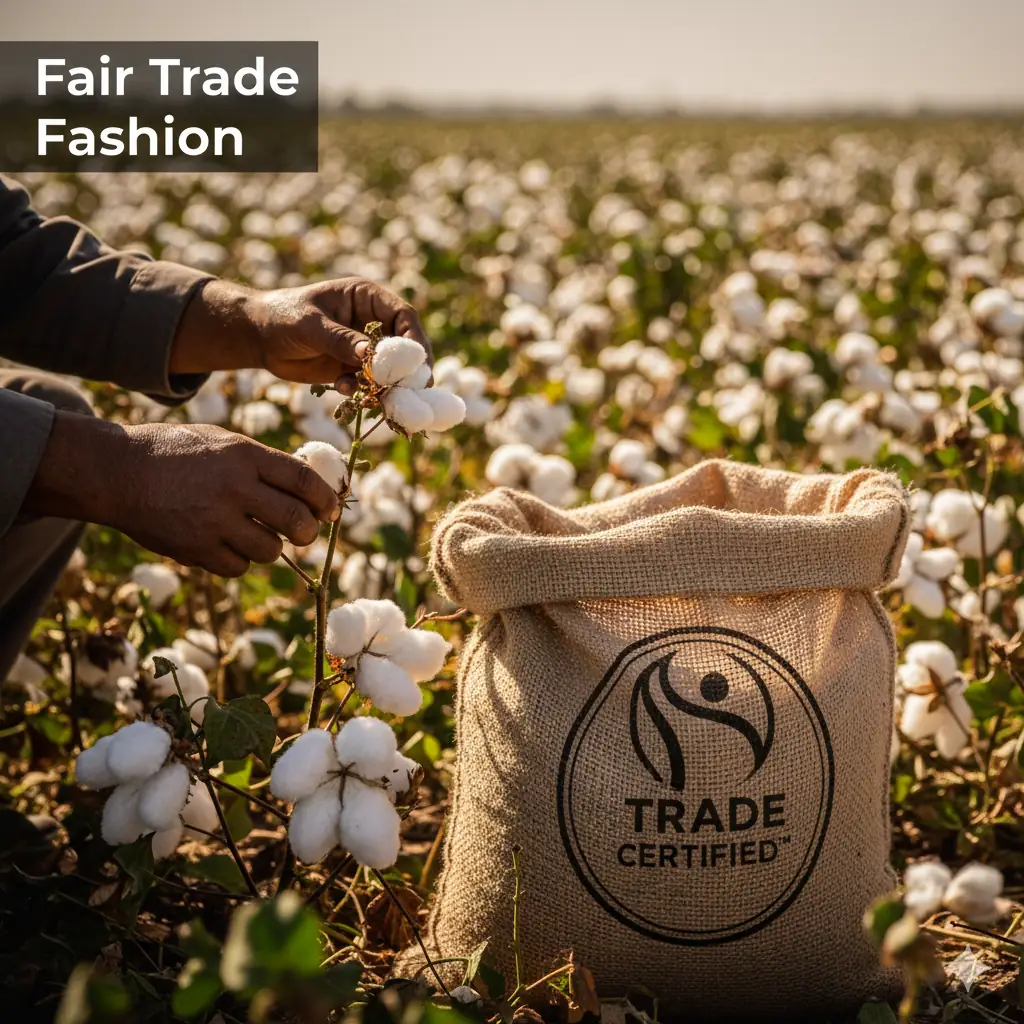
This isn’t just about charity; it’s about providing opportunities. Fair Trade ensures that farmers and factory workers in developing countries receive fair prices for their products and decent working conditions, allowing them to invest in their communities and futures.
Imagine a cotton farmer in India finally earning enough to send their children to school, thanks to a guaranteed minimum price for their harvest. That’s the tangible impact of Fair Trade.
Key Principles of Fair Trade in Fashion 🌟
Several core tenets underpin the Fair Trade movement, making it a comprehensive standard for ethical production:
- Fair Prices: Producers receive a fair, stable price for their goods, covering the costs of sustainable production and providing a living wage.
- Decent Working Conditions: Safe and healthy workplaces, no forced or child labor, and the right to organize and bargain collectively.
- Environmental Protection: Encouragement of sustainable farming practices, minimal use of pesticides, and responsible waste management.
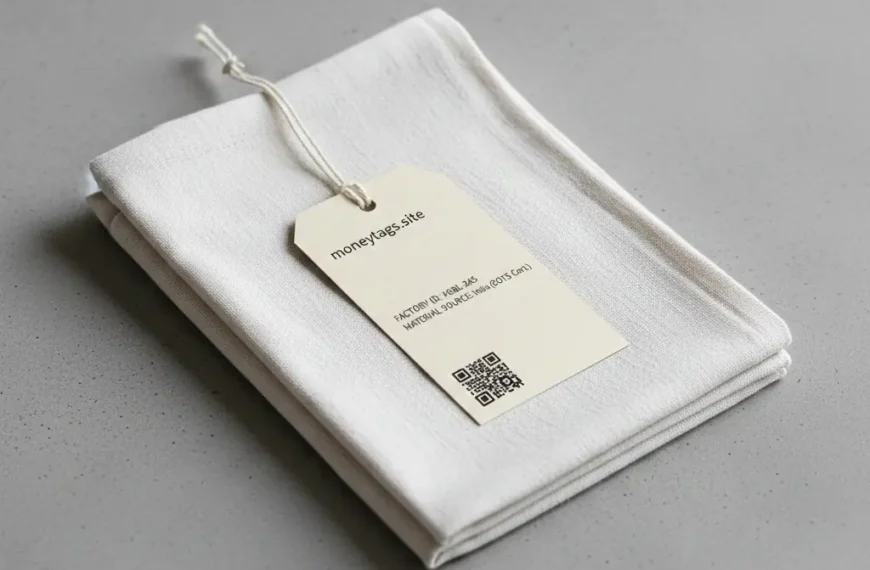
- Transparency and Accountability: Supply chains are traceable, and decisions are made openly, ensuring all stakeholders are respected.
- Community Development: A portion of the earnings is often reinvested into community projects like education, healthcare, or infrastructure.
Why is Fair Trade Crucial for the Fashion Industry? 👗
The conventional fashion industry is notorious for its complex and often opaque supply chains. This can lead to exploitation, low wages, and unsafe conditions for millions of workers, particularly in garment factories.
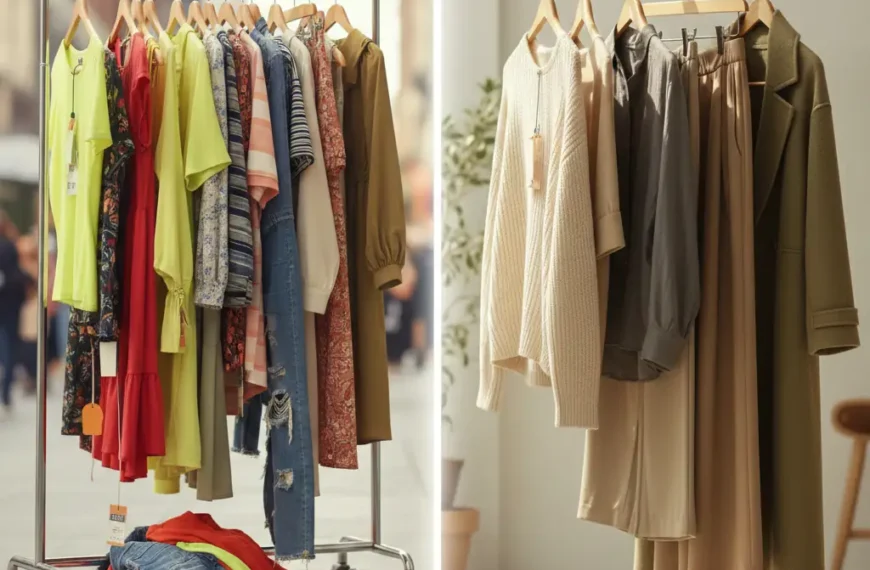
Fair Trade acts as a powerful counter-narrative, offering a model that prioritizes human dignity and environmental stewardship. It challenges the ‘fast fashion’ cycle that often thrives on cheap labor and quick consumption.
By choosing Fair Trade, you’re directly supporting a system that values people over profit. This helps uplift communities and fosters a more sustainable and ethical global economy.
Empowering Workers and Communities
One of the most profound impacts of Fair Trade is its direct empowerment of workers. It means seamstresses receive wages that reflect the true cost of living, not just a bare minimum for survival.
These fair wages allow families to afford better nutrition, healthcare, and education for their children, breaking cycles of poverty. It’s about creating a ripple effect of positive change.
For example, a Fair Trade certified factory might offer childcare facilities, ensuring parents can work without worrying about their children’s safety or well-being.
Environmental Benefits 🌍
Fair Trade standards extend beyond social justice to include strict environmental criteria. This means promoting organic farming methods, responsible water usage, and reducing chemical pollution in textile production.
Many Fair Trade textile producers prioritize natural dyes and sustainable materials, minimizing their ecological footprint. This is a stark contrast to conventional practices that often involve heavy chemical use and significant waste.
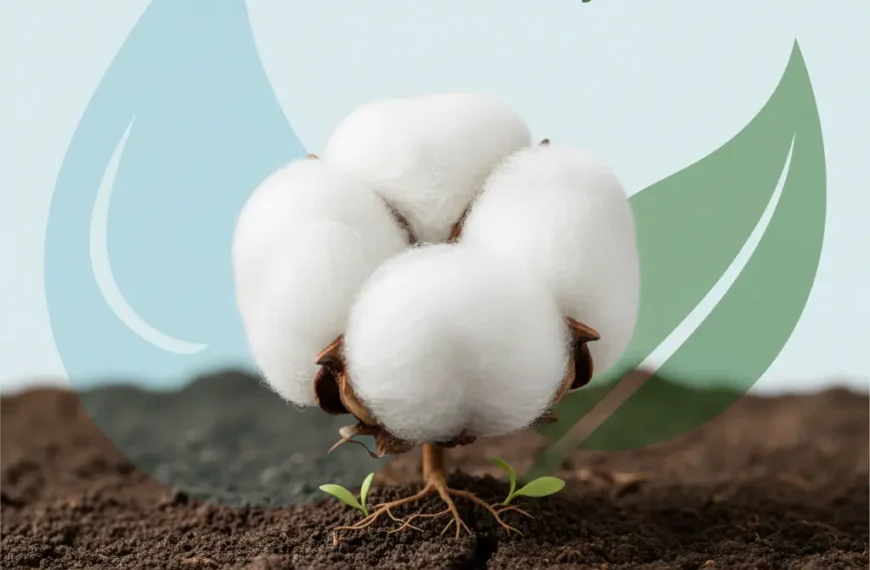
When you see a Fair Trade label, you’re supporting brands committed to sustainable agriculture, like cotton grown without harmful pesticides, preserving biodiversity and soil health.
Identifying Fair Trade: Labels and Certifications ✅
Navigating the world of ethical labels can feel overwhelming, but a few key certifications signify genuine Fair Trade practices in fashion. These labels are your trusted guides.
The most widely recognized is the Fair Trade Certified™ mark, often seen on cotton, coffee, and other goods. For garments, you might also look for certifications like GOTS (Global Organic Textile Standard), which includes robust social criteria alongside environmental ones.
Another important player is the World Fair Trade Organization (WFTO), which certifies entire enterprises, not just products. A WFTO guaranteed member means the whole organization adheres to Fair Trade principles.
| Certification | Focus in Fashion | What it Guarantees |
|---|---|---|
| Fair Trade Certified™ | Primarily raw materials (e.g., cotton) | Fair price, decent working conditions, community development fund |
| GOTS (Global Organic Textile Standard) | Organic fiber textiles (from harvesting to labeling) | Organic status, environmental standards, social criteria (Fair Trade-like) |
| WFTO (World Fair Trade Organization) | Entire enterprise/organization | Adherence to 10 principles of Fair Trade across all operations |
The Consumer’s Role: Shopping with Impact 🛒
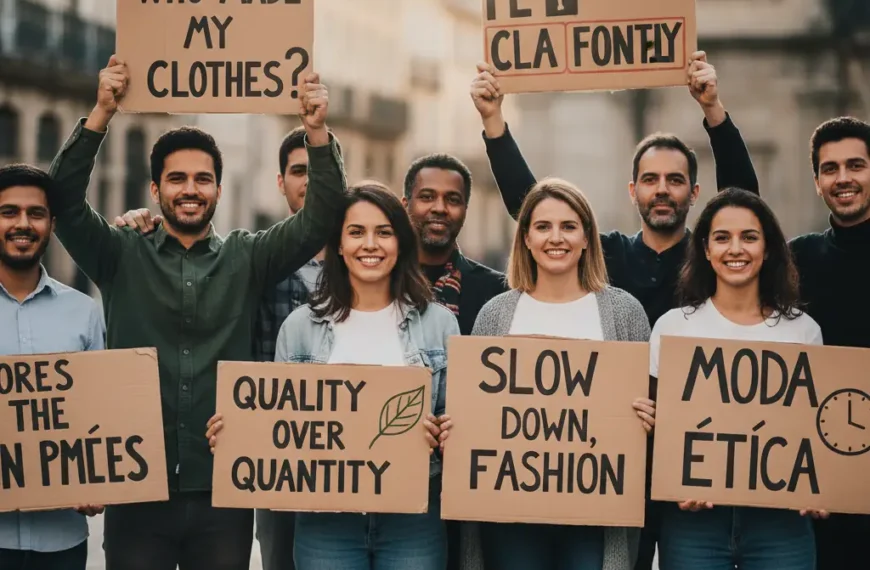
As consumers, our choices hold immense power. By actively seeking out and supporting Fair Trade brands, we send a clear message to the industry: ethical production matters.
Start small if it feels overwhelming. Look for Fair Trade certified cotton t-shirts, organic and Fair Trade blended fabrics, or brands that clearly articulate their commitment to worker welfare and environmental responsibility.
Every purchase you make is a vote. A vote for Fair Trade is a vote for dignity, sustainability, and a fairer world for everyone involved in bringing clothes from farm to closet.
Conclusion: A Path to Ethical Fashion 💚
Understanding Fair Trade isn’t just about deciphering labels; it’s about connecting with the human story behind your clothes. It’s recognizing that every garment has a journey, and we have the power to make that journey more ethical.
By choosing Fair Trade, you’re contributing to a movement that champions fair wages, safe conditions, and environmental protection. It’s a meaningful step toward building a fashion industry that truly benefits all.
Let’s continue to learn, ask questions, and shop with purpose, making every clothing choice a statement for a better world.
 By
By