
It’s a common frustration: that beloved shirt or pair of jeans starts fading, stretching, or showing signs of wear far too soon. We all invest our hard-earned money in our wardrobes, and it’s disappointing when pieces don’t live up to our expectations.
The good news is that the longevity of your clothing isn’t just about the initial quality; a huge part of it comes down to how you treat those garments once they enter your closet and laundry cycle. Think of it like taking care of a car—regular, gentle maintenance is the key to years of reliable performance.
At moneytags.site, we believe in making smart financial choices, and nothing is smarter than protecting the value of what you already own. By making a few simple, conscious adjustments to your routine, you can keep your favorite items looking new for years.
💡 The First Line of Defense: Smart Laundry Habits
The washing machine, for all its convenience, is often the number one cause of premature wear and tear. It’s an aggressive environment that can stress fibers, leading to pilling, fading, and structural damage. However, you can tame the beast.
The Power of Sorting: Beyond Colors
Most of us separate lights and darks, but truly effective sorting goes much deeper than just hue. You should also consider the fabric type and the weight of the garments you’re washing together.
Imagine throwing a delicate silk blouse in with a heavy, zippered hoodie and a load of towels—that’s a recipe for disaster. Heavy, coarse fabrics like denim act like sandpaper against lighter, smoother knits during a wash cycle.
Create separate loads for synthetics, delicates, and sturdy cottons. This simple step minimizes friction and prevents abrasive materials from damaging their fragile neighbors.
Turning Everything Inside Out
This trick is deceptively simple but incredibly effective, especially for dark colors, graphic tees, and denim. When you turn a garment inside out, you protect the outer surface from the relentless friction of the washing machine tub.
It’s like putting a protective layer between the vibrant dyes or decorative prints and the churning action. The part of the fabric that faces the world stays protected, significantly reducing fading and preserving printed designs.
Choosing the Right Temperature and Cycle
Cold water is almost always the best choice for everyday washing. Modern detergents are formulated to clean just as effectively in cold water as in hot, and the benefits for your clothes are substantial.
Hot water can cause shrinkage, set stains permanently, and weaken elastic fibers like those found in activewear. Use the gentlest cycle possible; the standard cycle should be reserved only for heavy, soiled items like towels or work clothes.
🌬️ The Drying Dilemma: Heat is the Enemy
If the washing machine is tough on fibers, the dryer is often the final blow. The high, prolonged heat is brutal, causing everything from extreme shrinkage to fiber breakdown and the annoying little fuzz balls we call pilling.
Air Drying: The Ultimate Fiber-Saver
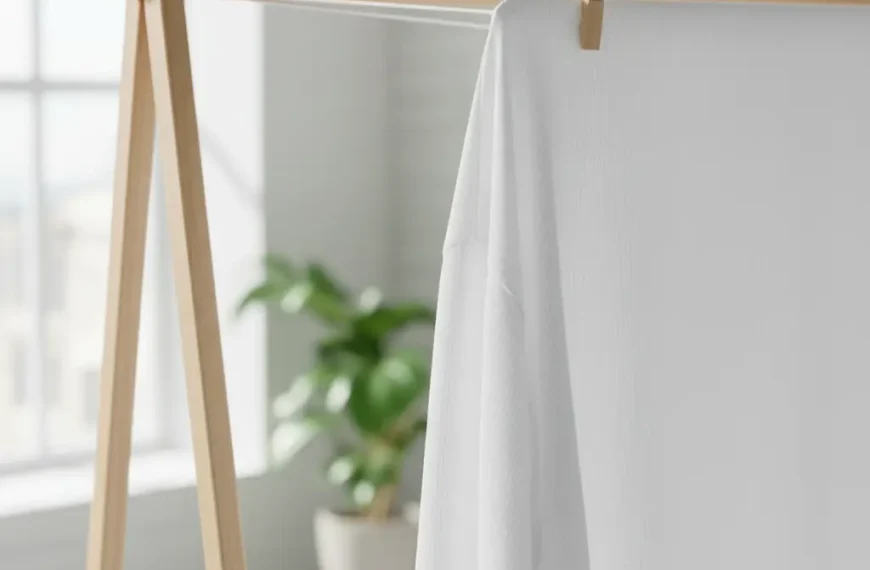
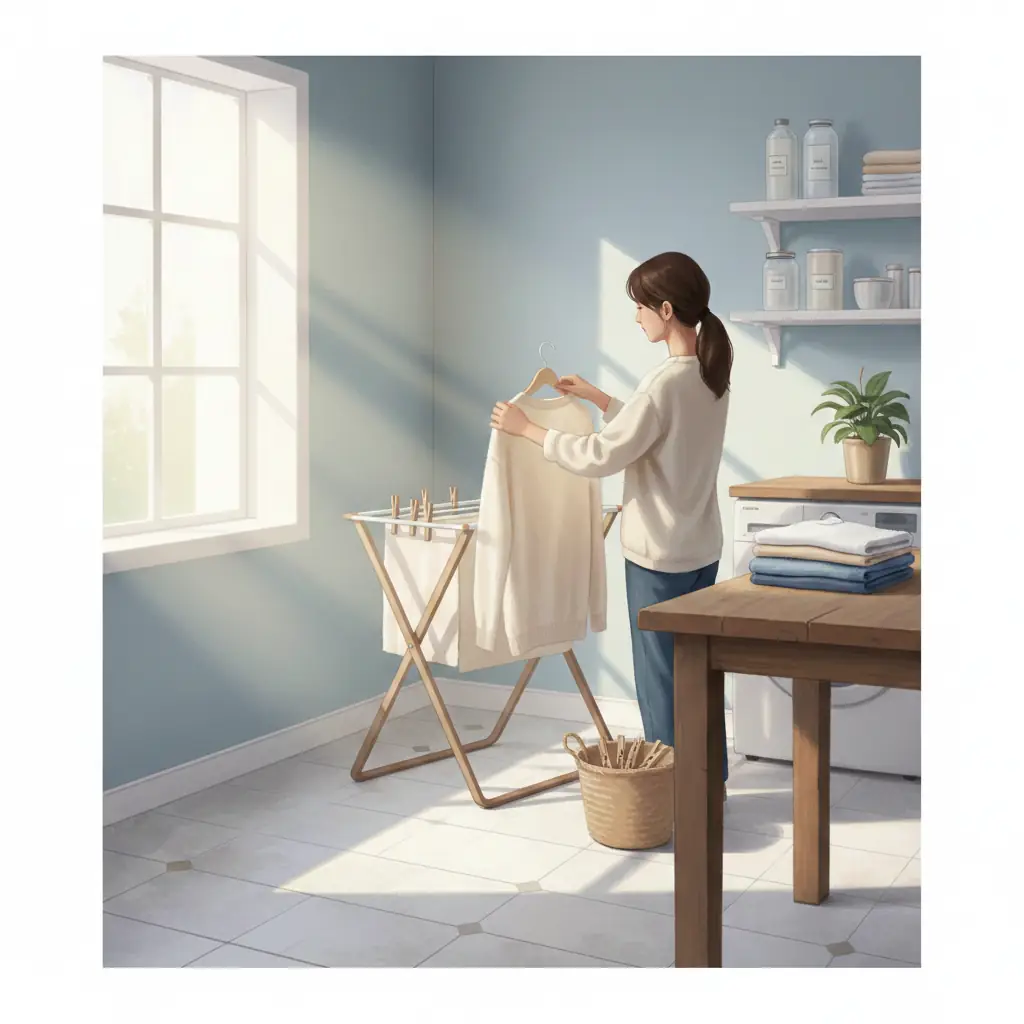
The single best way to prolong the life of any garment is to air dry it. Hanging clothes to dry restores them to their natural shape without the stress of mechanical tumbling and high heat. This is especially crucial for knits, wool, and synthetics.
When drying heavy items like sweaters, lay them flat on a mesh rack to prevent them from stretching out of shape due to water weight. Gravity is your friend and enemy here; use it wisely.
If You Must Tumble Dry, Use Low Heat
For items that require tumble drying, such as towels or some durable cottons, always select the lowest heat setting your machine offers. This reduces the temperature shock and minimizes the risk of shrinkage.
Consider removing clothes while they are still slightly damp and letting them finish air-drying. This partial drying limits heat exposure and saves energy, providing a dual benefit for your wallet and your wardrobe.
👖 Beyond the Wash: Wear and Storage
Making clothes last longer isn’t just about laundry; it’s about mindful care even when you’re simply wearing or storing them. This is where the long-term maintenance habits truly pay off.
Dealing with Stains Immediately
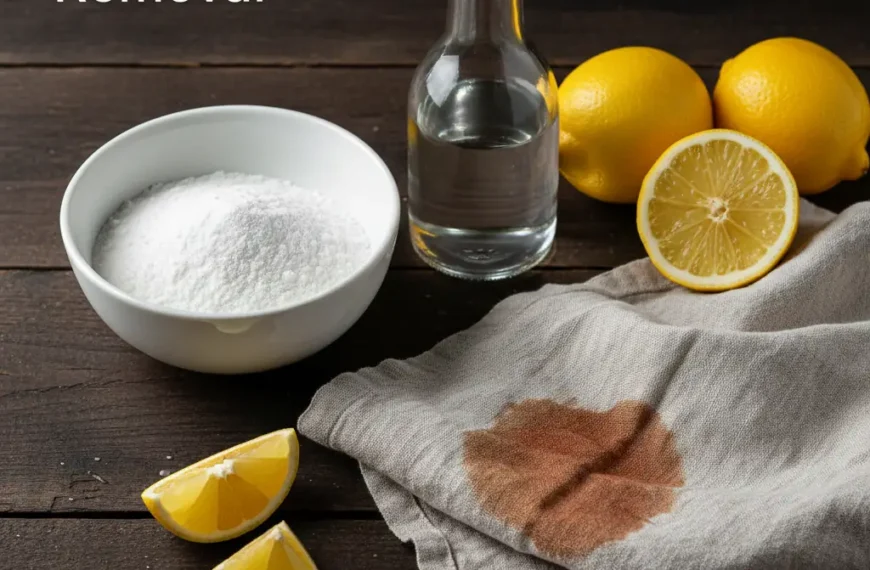
A fresh stain is much easier to remove than one that has set into the fibers overnight or, worse, been through the dryer. Treat spills right away using a spot cleaner or a mild detergent.
A crucial note: Never rub a stain aggressively; this pushes the stain deeper into the fabric and frays the fibers around it. Instead, always blot the area gently from the outside edges toward the center.
Storing Garments Correctly
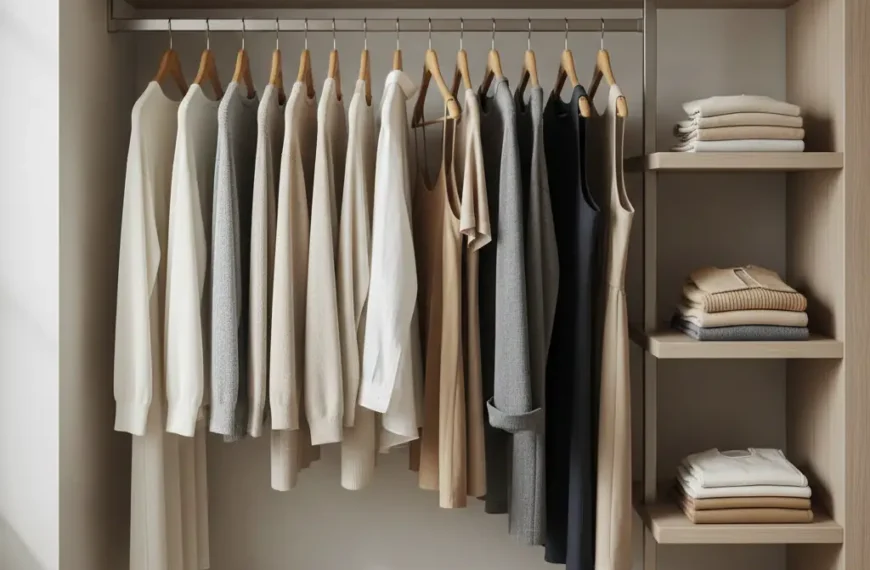
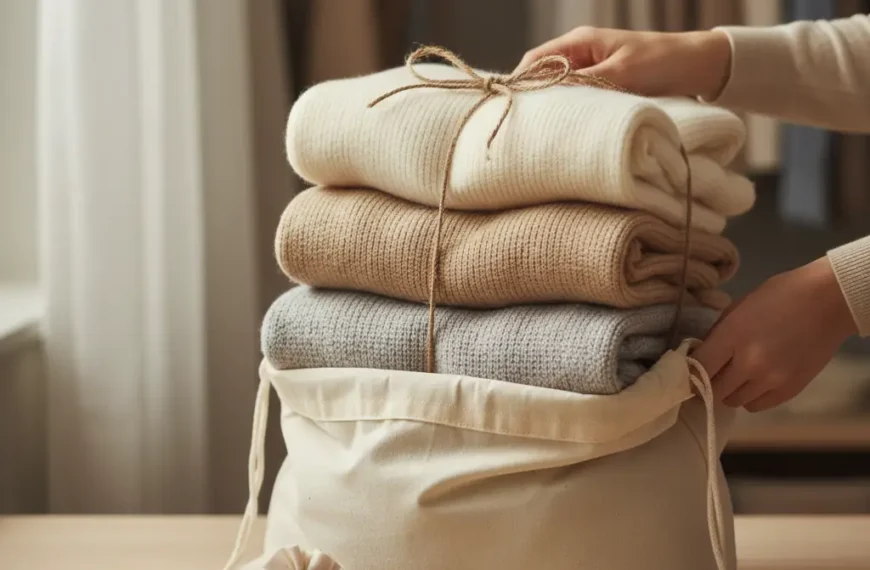
How you store your clothes when you’re not wearing them plays a huge role in their longevity. Hangers, while essential, can actually damage some items. Heavy sweaters, for instance, should always be folded.
Folding prevents the shoulder area from stretching out over time, leaving you with those undesirable hanger bumps. Use padded or wood hangers for jackets and delicate blouses, as wire hangers can bend the fabric out of its natural shape.
- Note 1: Moth Prevention: Store seasonal items, especially wool and cashmere, in breathable garment bags to protect them from pests.
- Note 2: Closet Space: Avoid over-stuffing your closet. When clothes are packed too tightly, they can become wrinkled and develop abrasive creases that weaken fibers.
- Note 3: Zipper Discipline: Always zip up zippers and button up buttons before washing. Unzipped teeth can snag and tear other garments during the wash cycle.
Mending and Repairing
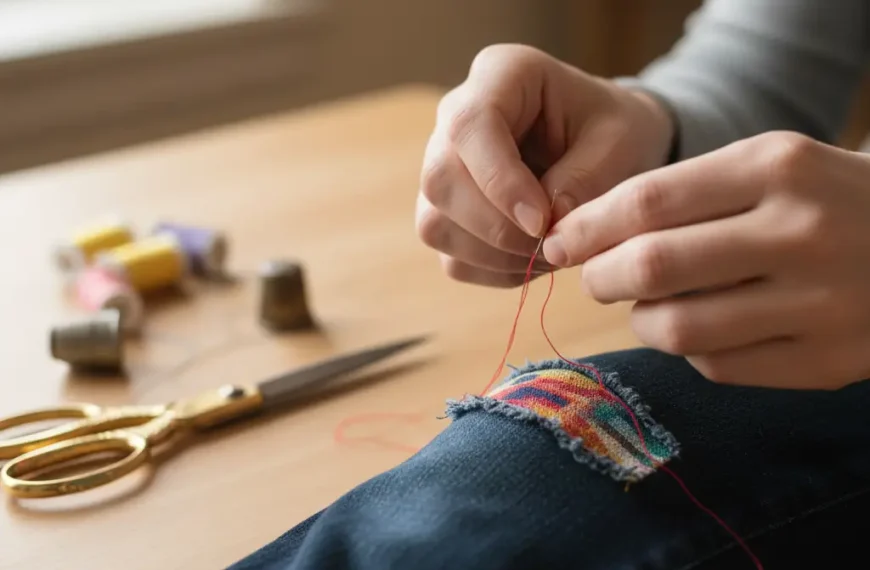
Don’t throw out a garment because of a missing button, a loose hem, or a small tear. Learning basic mending skills—or finding a good tailor—is one of the most sustainable things you can do for your wardrobe. A small, early repair can prevent a minor issue from becoming a garment-ending catastrophe.
✅ Conclusion: The Wardrobe Investment
Making your clothes last longer is a simple shift in mindset: moving from a disposable attitude to one of preservation. It’s an investment that pays continuous dividends, keeping your favorite pieces pristine and saving you money on constant replacements.
Start small, perhaps by committing to turning your jeans inside out before every wash or choosing to air-dry your t-shirts. These minor changes are powerful steps toward a more sustainable and cost-effective closet.
 By
By