
Moving Beyond Hype: What Sustainability Truly Means for Brands
The term ‘sustainability’ has moved from a niche concept to a mainstream marketing buzzword. Unfortunately, this popularity has led to a lot of confusion, and sometimes, intentional deception known as ‘greenwashing’.
As conscious consumers, it’s important to look past the green packaging and shiny slogans. True sustainability is not a single action—it’s a holistic commitment embedded in every part of a company’s operations, from raw material to final disposal.
A truly sustainable brand operates on the foundational principle that its success should not come at the expense of people or the planet. It’s about building a better future, not just boosting quarterly profits.
The Three Pillars of Comprehensive Sustainability
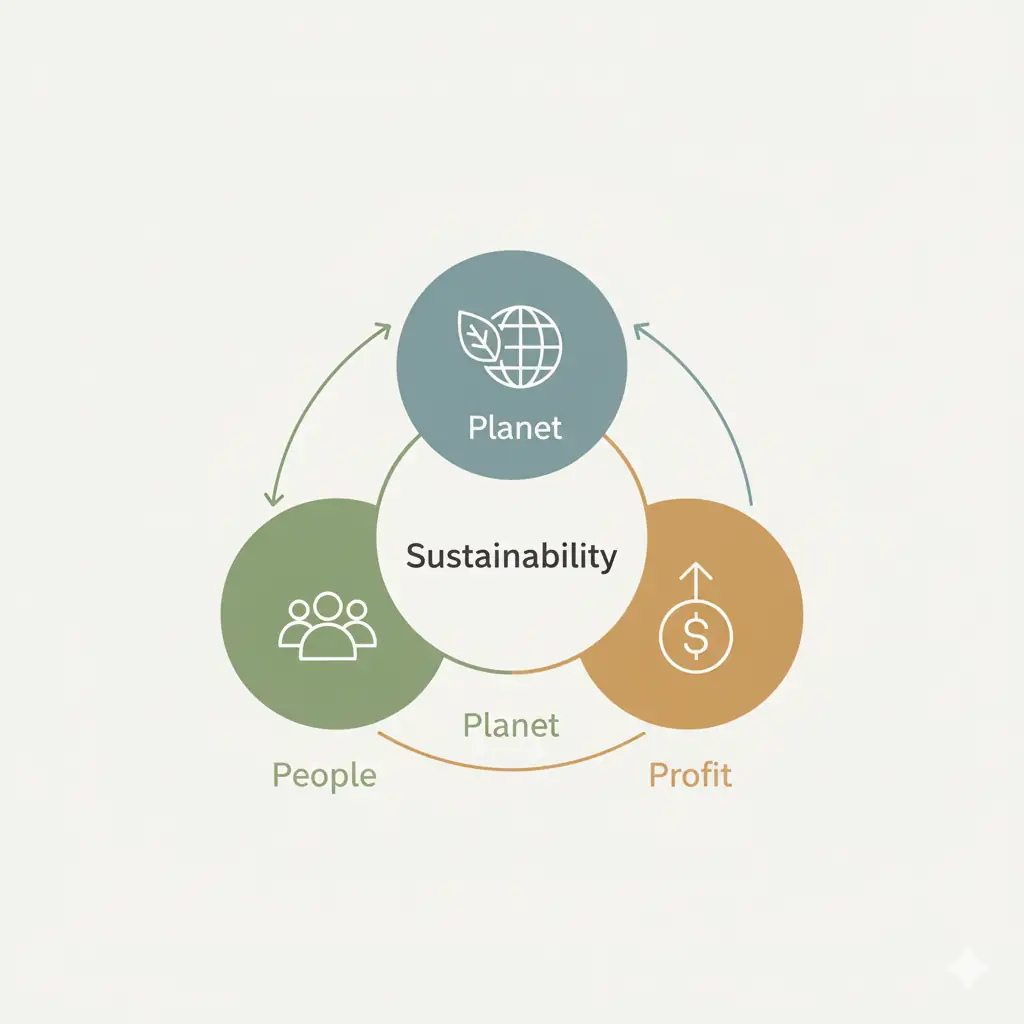
When evaluating a brand’s commitment, experts often use the ‘Three Pillars’ framework, sometimes referred to as the triple bottom line: People, Planet, and Profit. A sustainable brand must balance all three.
Failing in one area means failing in sustainability. For instance, a brand might use recycled materials (Planet) but rely on unethical labor practices (People), making its claim incomplete.
It’s the intersection of these social, environmental, and economic responsibilities that defines genuine, long-term brand sustainability.
Pillar 1: Environmental Integrity (Planet)
Environmental responsibility goes far beyond reducing plastic use. It involves minimizing the brand’s footprint across its entire value chain, from production to packaging.
Sourcing and Materials
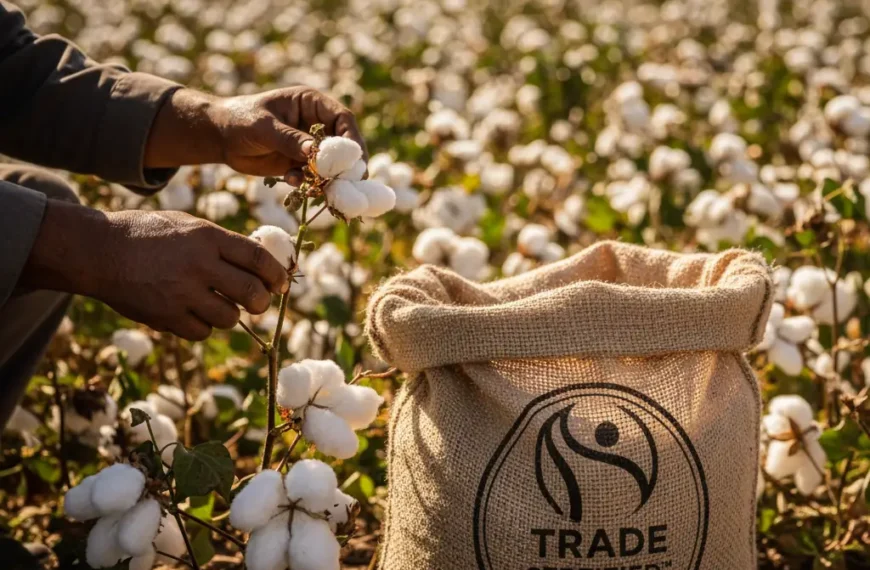
Truly sustainable brands prioritize raw materials that are regenerative or low-impact. This includes organic cotton, recycled plastics, or responsibly harvested wood certified by organizations like the FSC.
They actively track and reduce dependence on virgin resources and materials associated with high water usage, like conventional cotton or certain dyes.
For example, a furniture company might commit to using only reclaimed timber and non-toxic, water-based finishes, rather than conventional varnishes.
Resource Use and Waste Reduction
This covers energy efficiency, water stewardship, and the minimization of production waste. Brands should invest in renewable energy sources for their factories or use closed-loop water systems to recycle process water.
A sustainable apparel manufacturer, for instance, might adopt a ‘zero-waste’ cutting pattern to ensure minimal fabric scraps end up in landfills.
It’s about operationalizing efficiency to the highest degree, viewing every input—be it water or electricity—as a precious resource.
Pillar 2: Social Equity and Responsibility (People)
A brand can only be considered truly sustainable if it ensures fair and ethical treatment for every person involved in its operations, from farmworkers to corporate staff.
Fair Labor Practices
This is non-negotiable. Brands must ensure fair wages that meet or exceed local living wages, safe working conditions, reasonable hours, and freedom from forced or child labor throughout their global supply chain.
Certifications from organizations like Fair Trade or the use of third-party audits can offer consumers assurance, though transparency from the brand itself is always key.
A coffee brand, for example, must be able to trace its beans back to the farmer and verify they received an equitable price, not just the minimum market rate.
Community Engagement and Diversity
Sustainable businesses also uplift the communities they operate in. This can involve job creation, educational programs, or local development investments, especially in areas where production takes place.
Furthermore, true sustainability extends to corporate governance, ensuring diversity, inclusion, and equity within the brand’s leadership and employee structure.
Pillar 3: Economic Viability and Transparency (Profit)
Sustainability is not a temporary charity initiative; it must be economically viable for the long term. This pillar also addresses the brand’s honesty with its stakeholders.
Long-Term Business Model
A truly sustainable brand’s profitability is linked to its positive impact. They focus on creating durable, high-value products that customers keep for a long time, rejecting the fast, disposable consumption cycle.
This often includes adopting circular economy principles, offering repair services, or buy-back programs that keep products in use longer, strengthening customer loyalty and minimizing resource need.
A tool company that offers a lifetime warranty and easy repairs is economically sustainable because it built its business on trust and product longevity, not repeat failures.
Radical Transparency
This is the marker of genuine commitment. Sustainable brands are open about their processes, including their failures, challenges, and goals. They don’t hide their suppliers or their environmental impact reports.
They provide data on their carbon footprint, supply chain map, and social audit results, allowing consumers and stakeholders to verify their claims.
A clothing brand that lists every factory involved in making a garment and its environmental rating demonstrates this level of transparency.
The Spectrum of Sustainability Claims
Consumers often encounter varying levels of commitment. It is helpful to be able to distinguish between them.
| Claim Type | Description | What to Look For |
|---|---|---|
| Minimal Compliance | Meeting basic legal requirements only. | Vague statements like ‘eco-friendly’ or ‘recyclable.’ |
| Targeted Initiative | Focusing on one specific positive change (e.g., using one type of recycled material). | Proof that this initiative is backed by wider ethical labor and environmental goals. |
| Holistic Sustainability | Integrated commitment across all Three Pillars; measurable goals and full transparency. | Publicly available, independently audited ESG (Environmental, Social, Governance) reports. |
Guarding Against Greenwashing
Greenwashing is the deceptive marketing practice of making a product or brand seem more environmentally friendly than it truly is. It capitalizes on consumer goodwill without making real systemic changes.
Be wary of vague language, irrelevant imagery (like lots of leaves and trees on a product not made from natural materials), or a lack of verifiable certifications.
A truly sustainable brand will always provide measurable, verifiable facts and be happy to discuss its supply chain in detail, not just offer feel-good adjectives.
Tips for Identifying Sustainable Brands
- Look for Certifications: Seek out third-party verification like B Corp, Fair Trade, GOTS (Global Organic Textile Standard), or LEED (for buildings).
- Check the Supply Chain Map: Can the brand show you where its materials come from and where its products are assembled?
- Demand Repair/End-of-Life Plans: Does the brand offer repair services, take-back programs, or clear recycling instructions for when the product wears out?
- Read Their Annual Report: A truly sustainable company will dedicate a significant, detailed section of its public reporting to its ESG performance.
- Question the Price: If a product seems unbelievably cheap for a high-quality, ethically-made item, question the source of the savings—it often comes from unfair labor.
The Future of Conscious Commerce
True brand sustainability is a journey of continuous improvement, not a destination. No company is perfect, but the best ones are transparent about their shortcomings and aggressively working to address them.
As consumers, our purchasing power drives this change. By consistently supporting brands that demonstrate a genuine commitment to People, Planet, and economically viable long-term practices, we push the entire market toward a more responsible standard.
By demanding comprehensive transparency, we ensure that the sustainability label truly reflects integrity, helping build a commerce landscape we can all feel good about.

 By
By