
The Rise of Conscious Consumers and Collective Action
For decades, the fashion industry operated under a shroud of opaque supply chains and rapid production cycles. Today, however, a powerful counter-force has emerged: a global network of consumers, non-profits, and activists demanding meaningful change.
These global movements are more than just trends; they are organized, persistent efforts aimed at creating an industry that respects both people and the planet. They are redefining what ‘responsible’ truly means in clothing production.
Understanding these organizations and campaigns is key to knowing where to direct your energy and purchasing power as a conscious consumer.
Why These Movements Gained Momentum
The pivotal moment that fundamentally shifted public perception was the 2013 Rana Plaza factory collapse in Bangladesh. This devastating tragedy exposed the human cost of fast fashion and fueled a collective demand for transparency.
Since then, environmental and social concerns have only grown stronger. Consumers are now well-informed about microplastics, pollution, and poor labor wages, leading them to seek alternatives.
These movements give individuals a structured way to channel their concern into collective action, making their voices too loud for the industry to ignore.
Pillar Movements Shaping Ethical Fashion
Several organizations stand out for their global reach, impact, and sustained efforts to hold the industry accountable. They approach ethical fashion from different, complementary angles.
1. Fashion Revolution
Perhaps the most widely recognized movement, Fashion Revolution was born directly out of the Rana Plaza disaster. Its core mission is to promote radical transparency throughout the fashion supply chain.
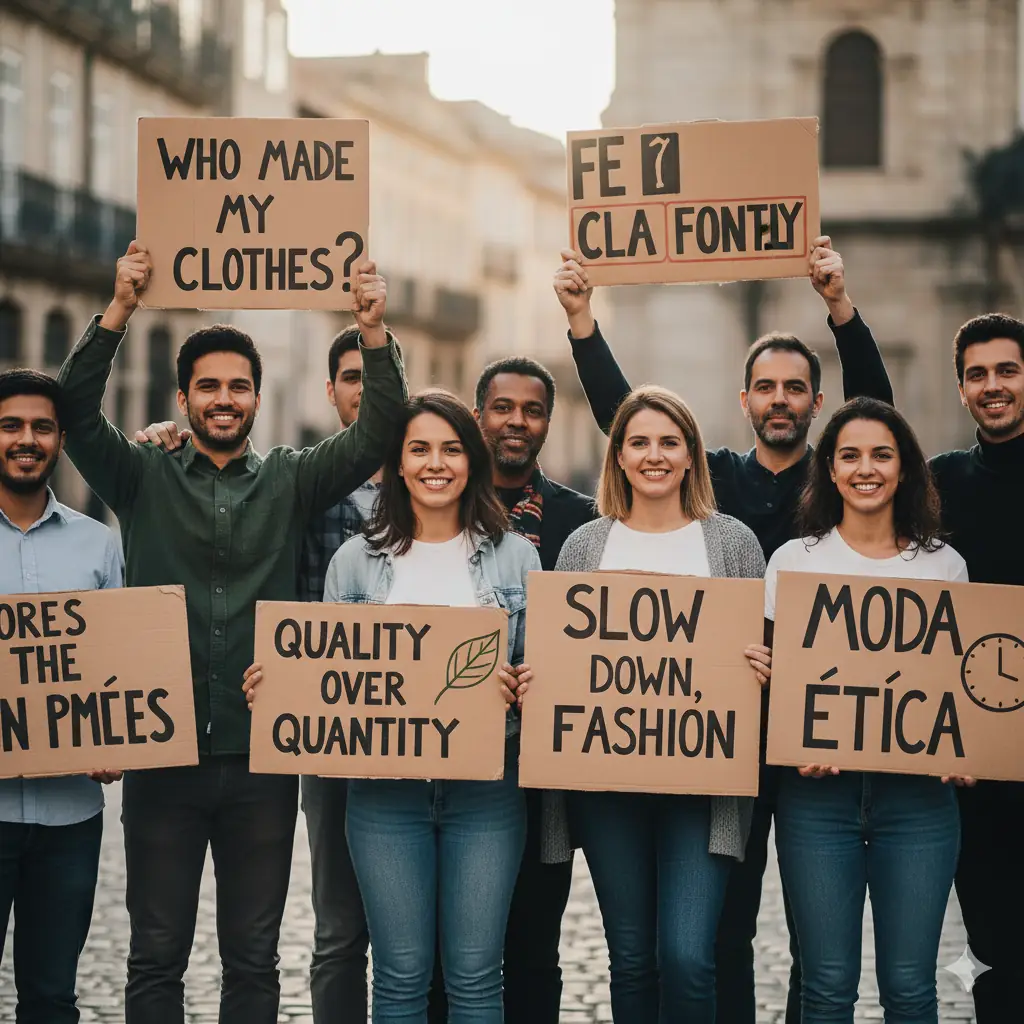
Their annual campaign, held around the anniversary of the collapse, encourages consumers worldwide to ask brands, ‘Who Made My Clothes?’—a simple question with profound implications.
Fashion Revolution is brilliant because it mobilizes millions of people to engage directly with brands on social media, making transparency a consumer expectation, not a choice for the companies.
2. The Slow Fashion Movement
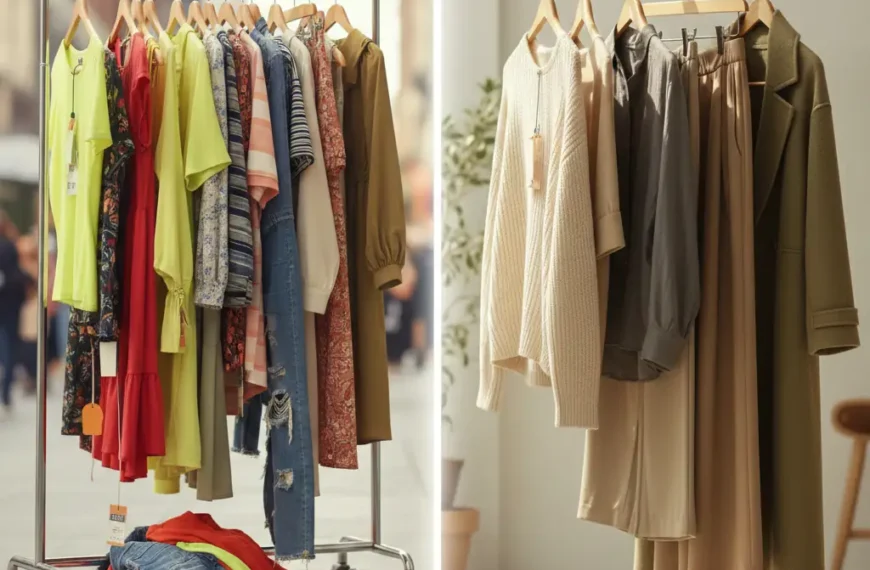
The Slow Fashion movement is less an organization and more a philosophical approach, directly countering the speed and disposable nature of fast fashion. It champions quality, longevity, and timelessness.
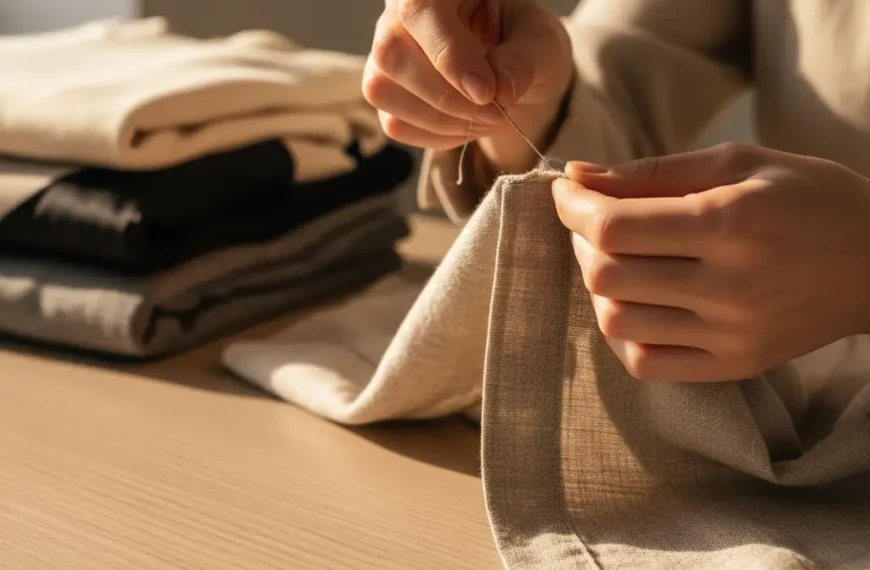
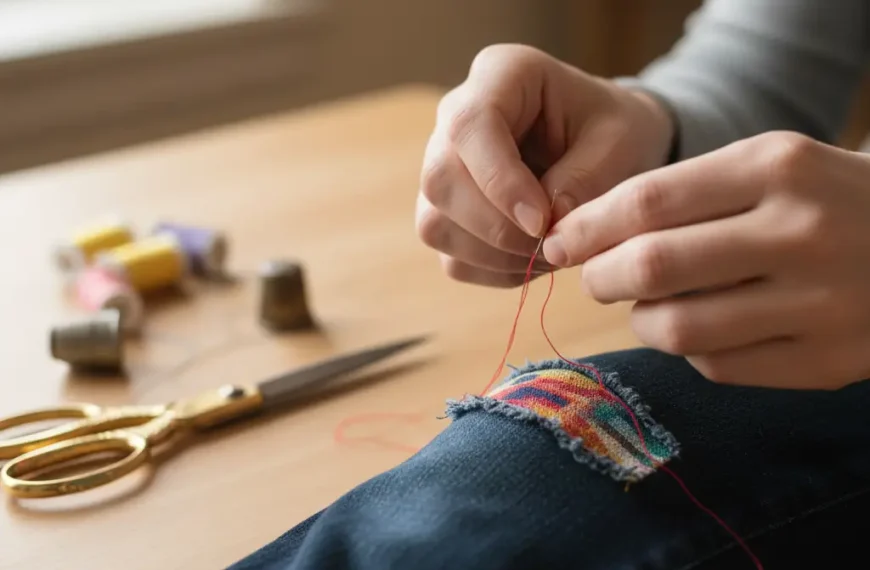
This movement encourages consumers to buy fewer items that are made well, repaired when needed, and loved for a long time. It focuses on the ethical production side, valuing craftsmanship over mass quantity.
Think of it as the difference between buying one beautifully tailored wool coat that lasts a decade versus five cheap, trendy polyester jackets that fall apart quickly.
3. Circular Economy Initiatives
Environmental movements focused on circularity are critical to ethical fashion. These initiatives aim to design out waste and pollution, keep products and materials in use, and regenerate natural systems.
Organizations like the Ellen MacArthur Foundation champion this concept, pushing brands to adopt models like product rental, resale, and advanced recycling programs.
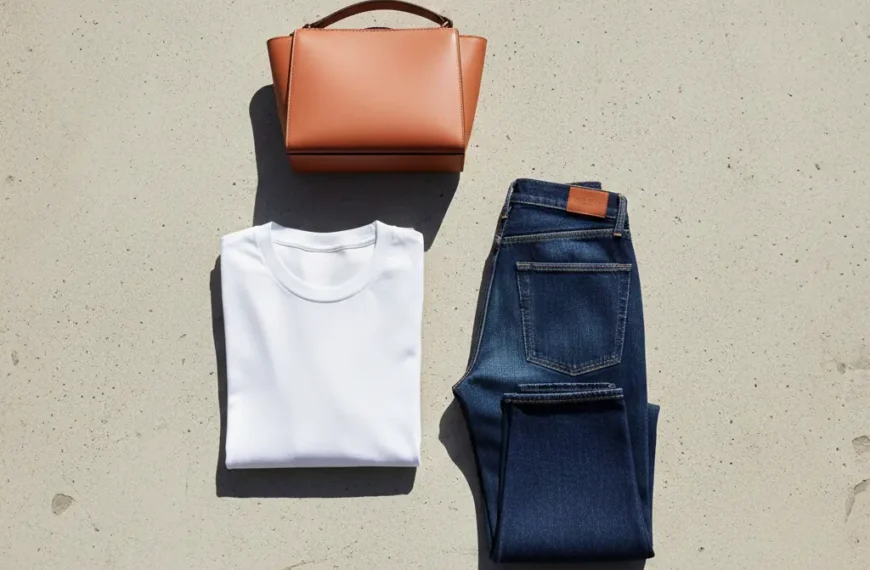
A micro-case example is a denim brand that pledges to take back any pair of its jeans, no matter how old, to repair them or recycle them into new textile fibers, effectively closing the production loop.
Certifications and Standards Driving Industry Change
Beyond broad movements, specific certification bodies play a vital role by providing verifiable standards for both brands and consumers.
GOTS and OCS: Textile Purity
The Global Organic Textile Standard (GOTS) is the leading standard for organic fibers, ensuring environmental and social criteria are met across the entire textile supply chain. This means the fibers are organic, and the entire processing chain is ethical.
Similarly, the Organic Content Standard (OCS) verifies the presence of organically grown material in a final product. These logos tell a consumer that the raw materials were sourced with integrity.
Fair Trade: Labor Protection
The Fair Trade standard is crucial for social sustainability. It ensures that workers receive fair wages and work in safe, healthy conditions, often providing an extra premium for community development projects.
Seeing a Fair Trade Certified factory label on a garment means an independent body has verified the production process meets strict social, environmental, and economic standards for the workers.
B Corp: Holistic Responsibility
B Corp certification is not specific to fashion but represents a gold standard for overall corporate responsibility. B Corps are companies legally required to consider the impact of their decisions on their workers, customers, suppliers, community, and the environment.
When a fashion brand achieves B Corp status, it demonstrates a commitment that extends beyond the product itself to its entire business governance and ethos.
How These Movements Empower Consumers
The greatest strength of these global movements is their ability to transform individuals into powerful agents of change. They provide tools, education, and collective platforms.
The Consumer Roadmap to Ethical Shopping
- Educate Yourself: Learn about key issues like water consumption, ethical wages, and textile types (e.g., polyester vs. Tencel).
- Ask Questions: Use social media and customer service channels to ask brands about their suppliers and materials.
- Prioritize Transparency: Choose brands that publish their factory lists, carbon reports, and social audits openly.
- Shop Intentionally: Adopt the slow fashion mindset. Prioritize buying pre-owned, repairing what you own, or investing in high-quality, certified new pieces.
- Use Your Voice: Support campaigns like Fashion Revolution and share your findings to influence your network.
By following this roadmap, you move from being a passive buyer to an active participant in creating a better industry.
The Future is Accountable
These global movements are rapidly making ethical standards the baseline expectation, rather than a niche luxury. Brands that refuse to engage with transparency and ethical practices will find themselves increasingly isolated from informed consumers.
The shift is permanent. It’s driven by a recognition that clothing should not be disposable, and that the people who make our clothes deserve dignity and respect.
Ultimately, these movements are about creating a fashion world where creativity and commerce thrive in harmony with social and environmental well-being. It is a future we are all building together, one thoughtful purchase at a time.
| Movement/Standard | Primary Focus | Consumer Action |
|---|---|---|
| Fashion Revolution | Supply Chain Transparency | Ask brands ‘Who Made My Clothes?’ |
| Slow Fashion | Longevity and Quality over Trends | Buy less, choose better, repair often. |
| B Corp Certification | Holistic Corporate Responsibility | Prioritize certified brands across industries. |
| Fair Trade | Ethical Worker Wages and Safety | Look for the Fair Trade seal on products. |

 By
By