
The Freedom of Less: Why Minimalism in Your Closet Matters
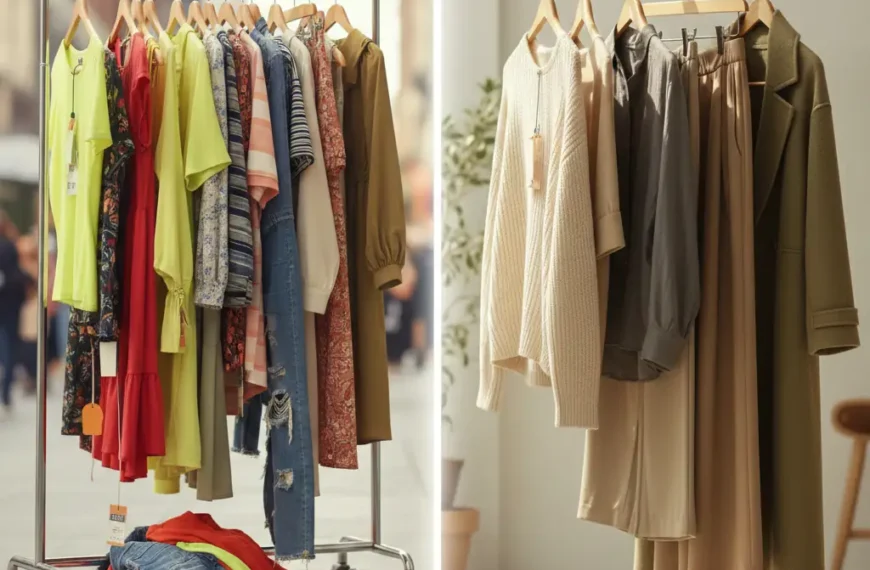
Staring at an overstuffed closet and thinking, “I have nothing to wear,” is a universal experience. This paradox of choice leads to decision fatigue and wasted time every morning.
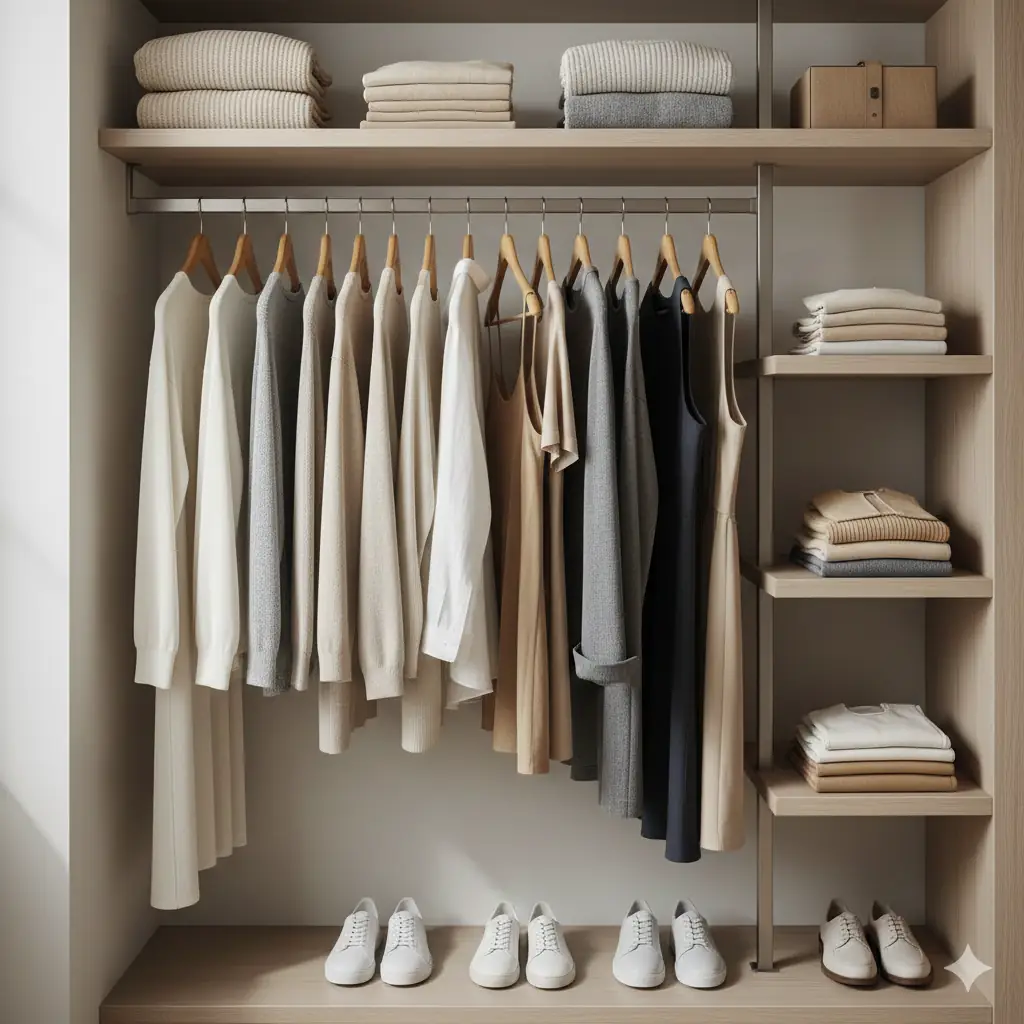
A minimalist wardrobe, often called a capsule wardrobe, is the elegant solution. It shifts your focus from quantity to quality, ensuring every item serves a purpose and truly reflects your personal style.
Imagine a closet where everything mixes and matches effortlessly, saving you both time and money. This intentional approach is about creating more outfits with fewer pieces, not just depriving yourself of fashion.
The goal is to cultivate a collection of high-quality, versatile items that you genuinely love to wear, making your daily routine calmer and more confident.
Phase 1: The Foundational Clarity
Define Your Lifestyle and Needs
Before you remove a single item, take stock of your actual life. Do you work in an office, or are you mostly at home in casual wear? Your wardrobe should align with your reality, not an aspirational, rarely-lived life.
Consider the clothes you wear 80% of the time. For many, this means a significant focus on work clothes or weekend comfort, with fewer pieces for formal events.
Also, factor in your climate and the seasons you experience. A person living in a tropical area will have a very different ‘capsule’ than someone in a place with harsh winters.
Establish Your Color Palette
A cohesive color palette is the secret ingredient that makes mixing and matching foolproof. Start by selecting 2-4 neutral base colors that make up the majority of your items, such as black, navy, grey, camel, or white.
These neutrals will form the foundation of your pants, skirts, coats, and core tops. Next, choose 2-3 accent colors that you genuinely love and that complement your skin tone.
These accents, like a deep emerald, a soft blush, or a bold red, will appear in your statement tops, scarves, or accessories. This structure ensures nearly every top can be worn with every bottom.
Phase 2: The Ruthless Edit and Declutter
The Initial Purge: Empty and Assess
To truly build a minimalist wardrobe from scratch, you must see what you have. Empty your closet and drawers entirely—this can be overwhelming, but it’s crucial for a fresh start.
Sort everything into three piles: Keep, Donate/Sell, and Maybe. The ‘Keep’ pile should only contain items you have worn and loved in the last six months, and that fit your lifestyle and color palette.
For the ‘Maybe’ pile, put these items into a box and store it out of sight for 30 days. If you haven’t needed or thought about the item after a month, it’s time to let it go.
Insight Box: The ‘333 Rule’ for Beginners
A popular starting point is the ‘Project 333’ challenge, where you dress with only 33 items (including clothing, accessories, and shoes) for three months. While not mandatory, it’s a powerful exercise to reveal your true clothing needs.
Prioritize Quality Over Quantity
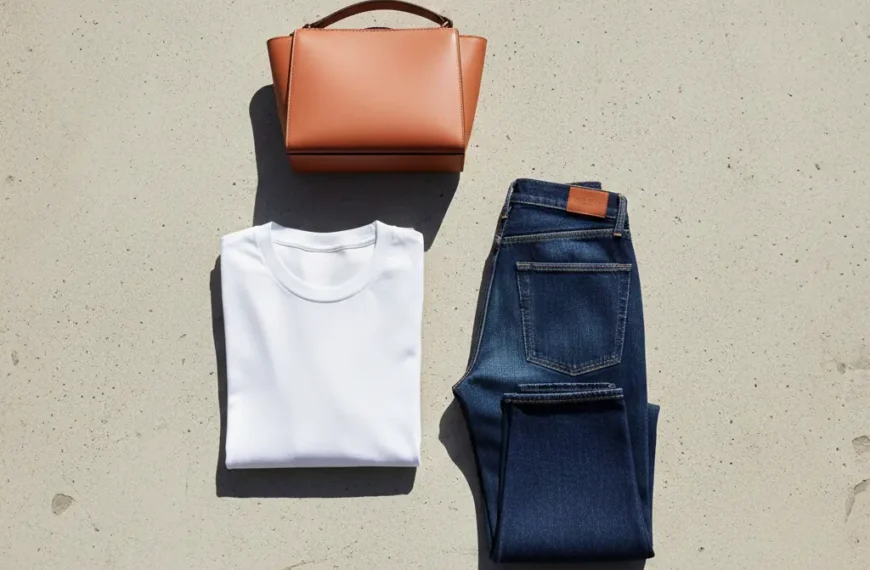
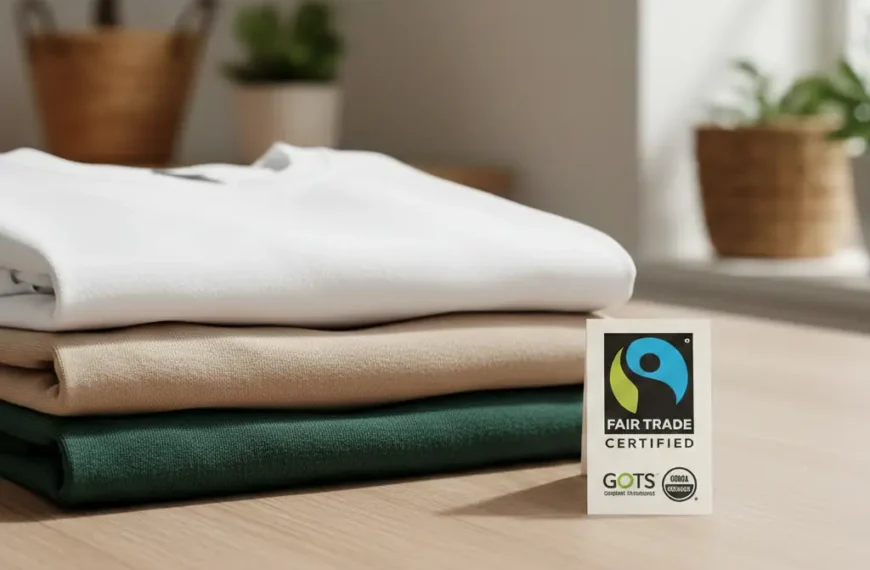
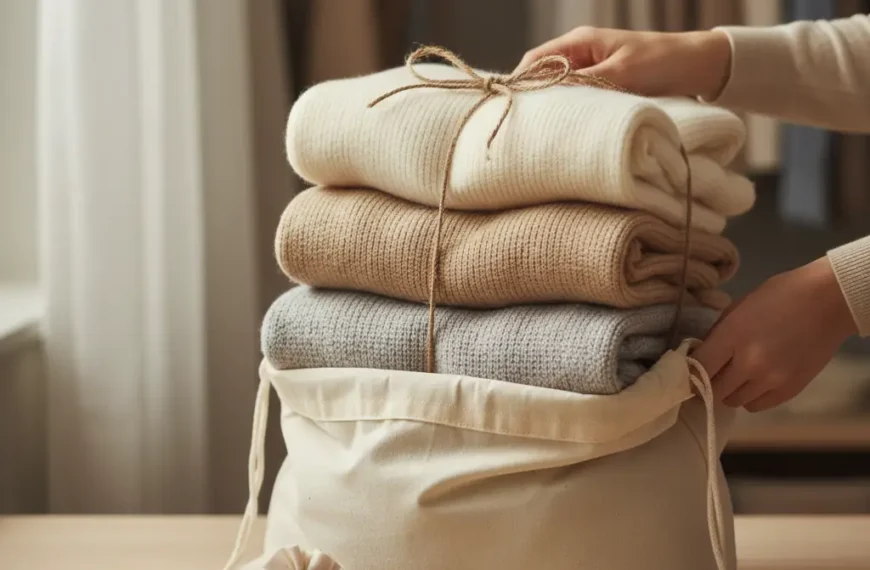
The core philosophy of a minimalist wardrobe is investing in higher-quality items. Instead of ten cheap t-shirts that quickly wear out, one or two premium tees will look better and last significantly longer.
Look for natural, durable fabrics like wool, linen, Tencel, and high-quality cotton. While the initial cost may be higher, you save money over time by reducing the frequency of replacement purchases.
Phase 3: Curating Your Core Capsule Pieces
The Essential Clothing Checklist
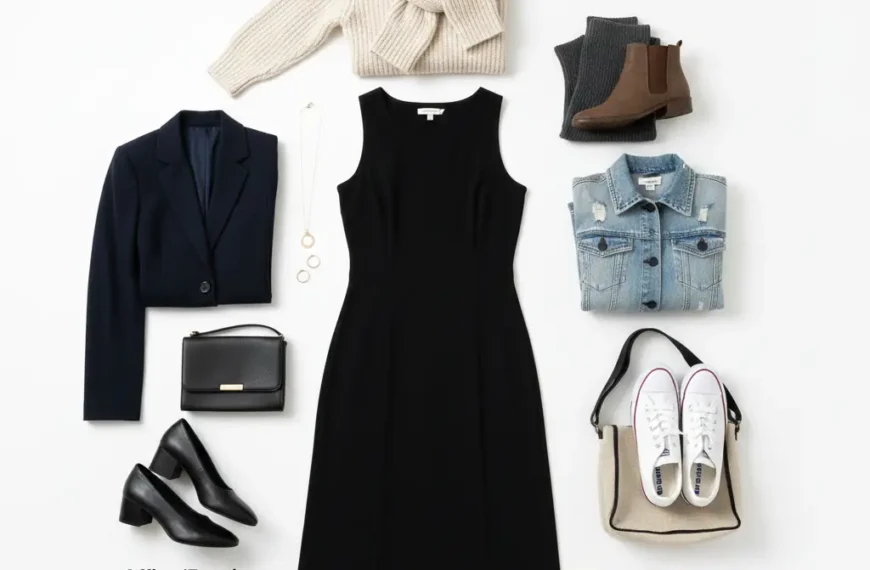
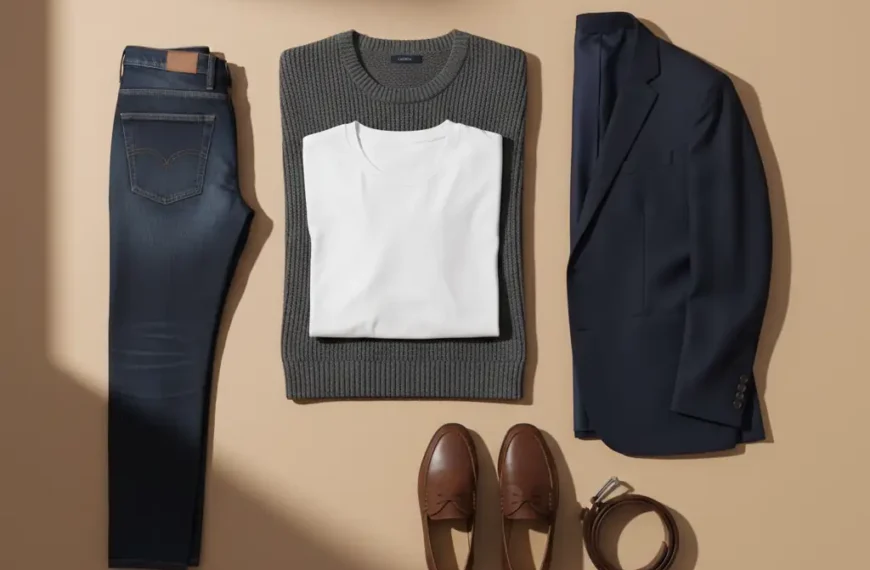
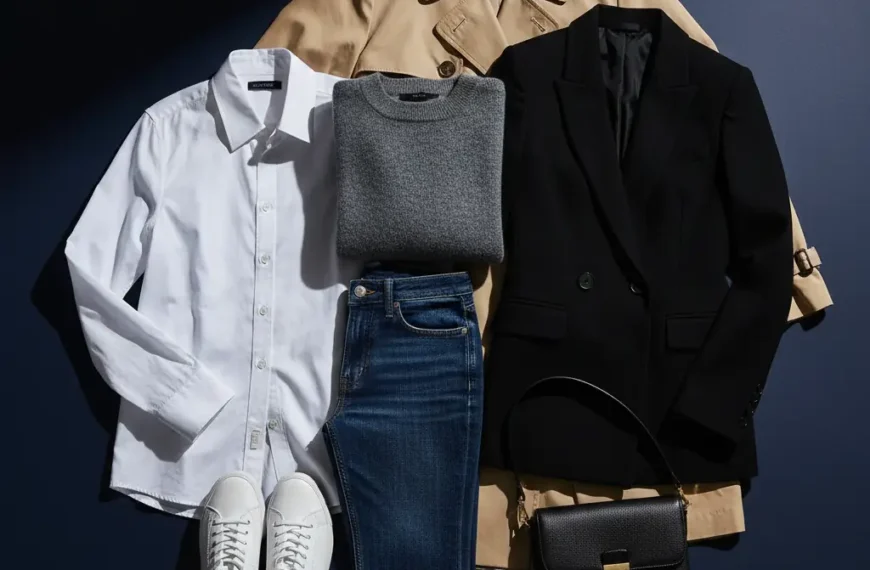
Your capsule collection will be entirely unique, but most minimalist wardrobes rely on a set of foundational pieces. These are the versatile building blocks that can be dressed up or down with ease.
A balanced wardrobe often includes a mix of categories. Here is a general framework to guide your new purchases:
- Tops (6-9 items): Classic white and black t-shirts, 2-3 quality long-sleeve tops, and 1-2 button-down shirts.
- Bottoms (3-5 items): A pair of perfectly fitting dark-wash jeans, tailored black trousers, and a versatile neutral-colored skirt or additional pair of pants.
- Outerwear (3-4 items): A timeless blazer or cardigan, a functional denim or leather jacket, and a classic trench or wool coat for cooler weather.
- Dresses/Jumpsuits (1-3 items): The classic ‘little black dress’ and one or two other versatile pieces that suit your style.
The Role of Shoes and Accessories
Shoes are where you often see significant duplication. For a minimalist collection, focus on 3-5 versatile pairs: simple, clean white sneakers, classic boots or flats, and one pair of dressy shoes (like a simple heel or loafer).
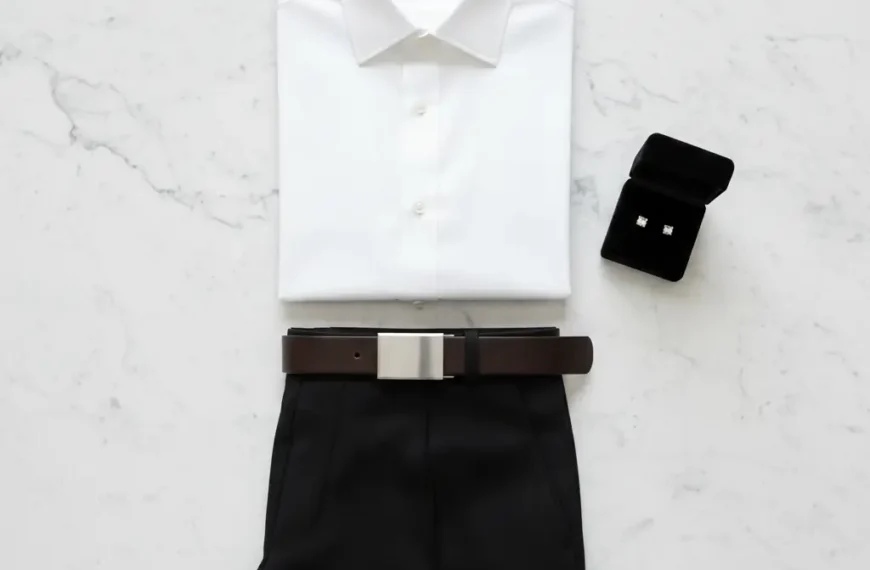
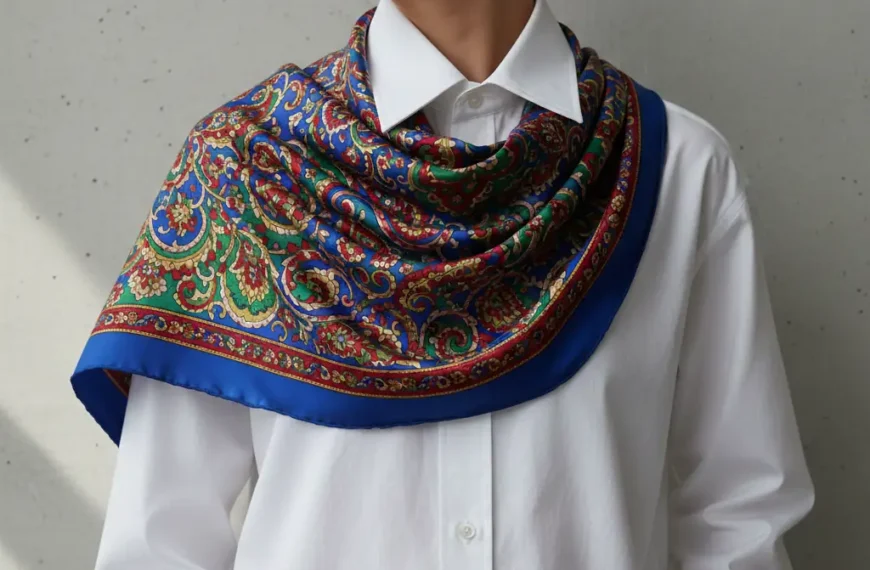
Accessories—scarves, belts, and jewelry—are the easiest way to inject personality and trendiness without buying new clothes. They allow you to create completely different looks with the same core pieces.
Phase 4: Maintaining Your Minimalist Mindset
Adopting the ‘One In, One Out’ Rule
Once your minimalist wardrobe is established, maintaining it is simpler than you think. Implement the ‘one in, one out’ rule: for every new item you purchase, an old one must leave your closet.
This simple practice keeps your total number of clothes consistent and forces you to be highly intentional about every single purchase. It combats the temptation of impulsive retail therapy.
Mindful Shopping and Intentionality
Minimalism is fundamentally an anti-consumerist stance. Before buying anything, ask yourself these crucial questions: Does it fit my color palette? Does it suit my current life? And will it pair easily with at least three other items I already own?
The shift is profound: you stop shopping out of boredom or a need to chase trends, and start buying only what is truly needed and what you love. This is where the long-term saving truly begins.
Conclusion: A Closet That Works for You
Building a minimalist wardrobe from scratch is not a one-time cleanout; it’s a fundamental shift in how you view clothing and consumption. It’s an empowering process that delivers a quieter, more confident start to your every day.
By defining your needs, curating your colors, and prioritizing lasting quality, you gain control over your closet and free up mental energy for the things that truly matter in your life.
You’ll find that having less clothing means you always have exactly the right thing to wear. This new intentionality brings a powerful sense of order and peace to your style.
 By
By