
Welcome to moneytags.site! The fashion industry, for all its glamour, has long grappled with its environmental impact. Traditional fashion shows, while spectacular, consume vast resources, from global travel to elaborate set constructions.
However, a quiet revolution has been brewing, accelerated by recent global events: the rise of digital fashion shows. These virtual spectacles are not just a temporary fix; they are paving the way for a significantly more sustainable future for fashion.
Today, we’re exploring the innovative ways digital platforms are helping the fashion world reduce its carbon footprint and embrace a greener, more inclusive approach.
Shrinking the Carbon Footprint: Travel and Logistics ✈️
One of the most immediate and impactful benefits of digital fashion shows is the drastic reduction in travel. Historically, editors, buyers, models, and staff would jet across continents for fashion weeks, leading to substantial carbon emissions.
By moving presentations online, the need for air travel, hotels, and ground transportation is largely eliminated. This cuts down on fuel consumption and associated greenhouse gases, offering a tangible environmental saving.
Consider the sheer logistics of a single international fashion week: dozens of shows, thousands of attendees, and countless flights. Digital alternatives make this a significantly lighter burden on our planet.
Reduced Waste: Sets, Samples, and Swag ♻️
Traditional fashion shows are notorious for their ephemeral nature; elaborate sets are built for a mere 10-15 minute display, only to be dismantled and often discarded. This creates an enormous amount of waste, much of which is non-recyclable.
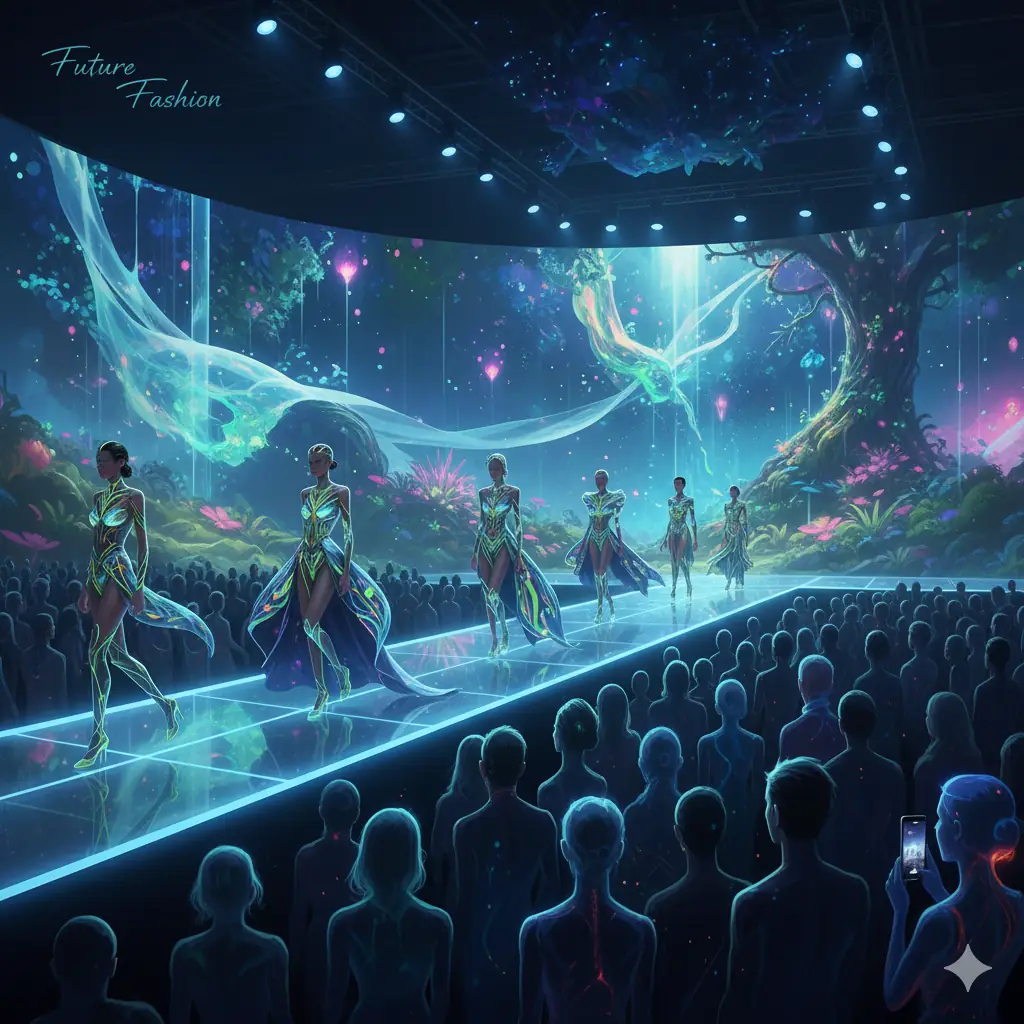
Digital shows bypass this problem entirely. Virtual sets, CGI environments, and augmented reality replace physical constructions, meaning zero material waste from staging. This shift is a game-changer for reducing landfill contributions.
Furthermore, the pressure to create countless physical samples for press and buyers diminishes. Digital lookbooks and 3D garment visualizations can replace many physical samples, saving on fabric, labor, and shipping.
Micro-Case Example: A prominent luxury brand recently hosted a fully virtual show, eliminating the construction of a physical set, which historically would have generated over 5 tons of waste for a similar event.
Democratizing Fashion: Accessibility and Inclusivity 🌐
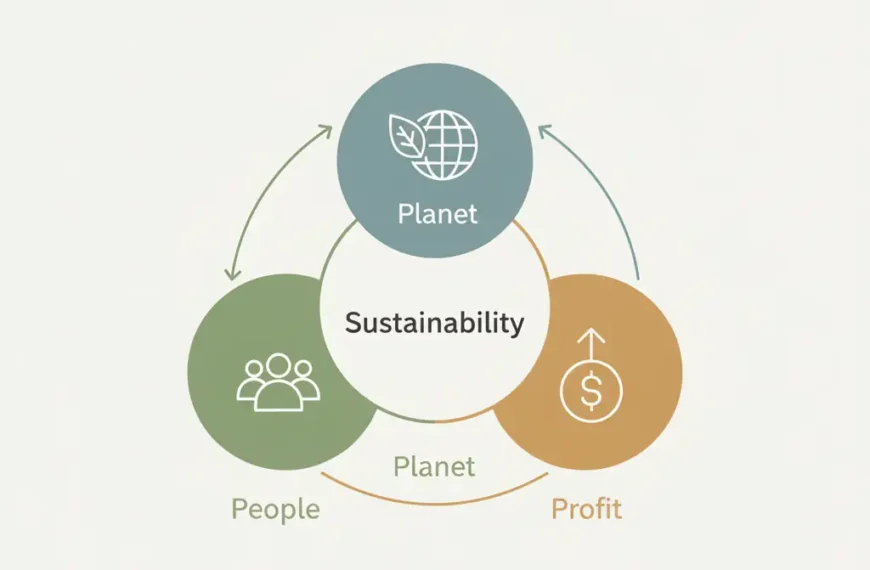
Sustainability isn’t just about environmental impact; it also encompasses social equity. Digital fashion shows significantly broaden access, making the industry more inclusive than ever before.
Previously, fashion week was an exclusive affair, limited to a select few industry insiders. Now, anyone with an internet connection can experience the latest collections, often live-streamed from anywhere in the world.
This increased accessibility means more diverse voices can engage with fashion, and brands can reach a global audience without physical limitations, fostering a more democratic fashion landscape.
Innovation in Production and Design 💻
The shift to digital presentations is also spurring incredible innovation in how clothes are designed and produced. Brands are investing in 3D design software, which allows them to create and visualize garments digitally.
This digital prototyping reduces the need for multiple physical samples, conserving fabric and resources. Designers can iterate on ideas in a virtual space, perfecting designs before any material is cut.
It’s a more precise and less wasteful way to create. Imagine designing an entire collection, trying on virtual garments, and making adjustments without ever touching a single piece of fabric.
The Future is Phygital: Blending Real and Virtual ✨
While fully digital shows offer clear advantages, the future likely lies in a ‘phygital’ approach – a blend of physical and digital experiences. This hybrid model allows for the intimacy of a physical event while retaining the reach and sustainability benefits of digital.
Brands might host smaller, localized physical presentations for key buyers, simultaneously streaming a rich, interactive digital experience for a global audience. This balances tradition with innovation.
The goal isn’t to eliminate physical shows entirely, but to rethink their necessity and scale, reserving them for truly special occasions and using digital tools to fill the gaps efficiently and sustainably.
Conclusion: A Greener Glimpse Ahead 🌿
Digital fashion shows are much more than a temporary trend; they represent a fundamental shift towards a more sustainable and accessible fashion industry. They are pushing brands to innovate, reduce waste, and connect with a wider audience.
From cutting carbon emissions to democratizing access and fostering creative design, the virtual runway is proving to be a powerful force for good. It’s exciting to witness this evolution unfold.
What aspects of digital fashion are you most excited to see grow? Let’s champion these sustainable steps forward!
 By
By