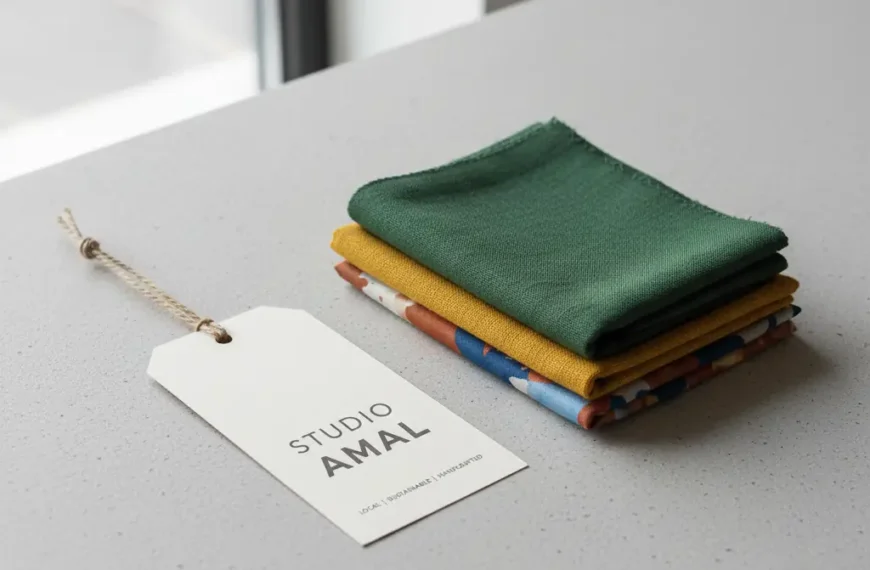

When you pick up a garment, your eyes usually go straight to the price tag or perhaps the care instructions. But the true story of that item is often hidden deeper—within the details of its fashion label.
For too long, the fashion industry has operated behind a veil, making it difficult for consumers to understand where their clothes really come from. Today, a growing movement is demanding clarity, and it all starts with transparency on the label.
As conscious consumers, understanding the importance of this transparency is your first step toward making purchasing decisions that align with your values. It’s about more than just looking good; it’s about doing good, too.
The Hidden Life of Your Clothes
Think of a piece of clothing as a passport. A transparent label is like a passport that has been meticulously stamped at every stop along its journey, revealing its entire history.
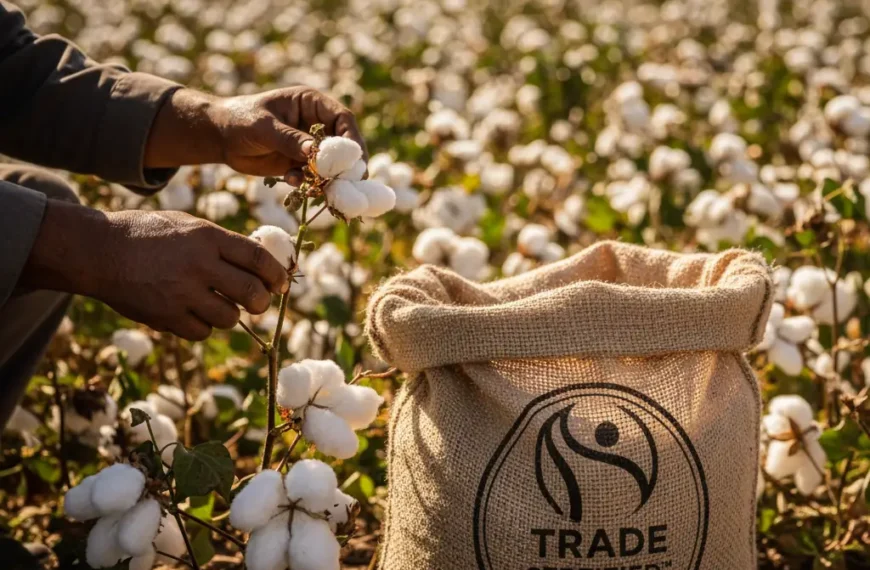
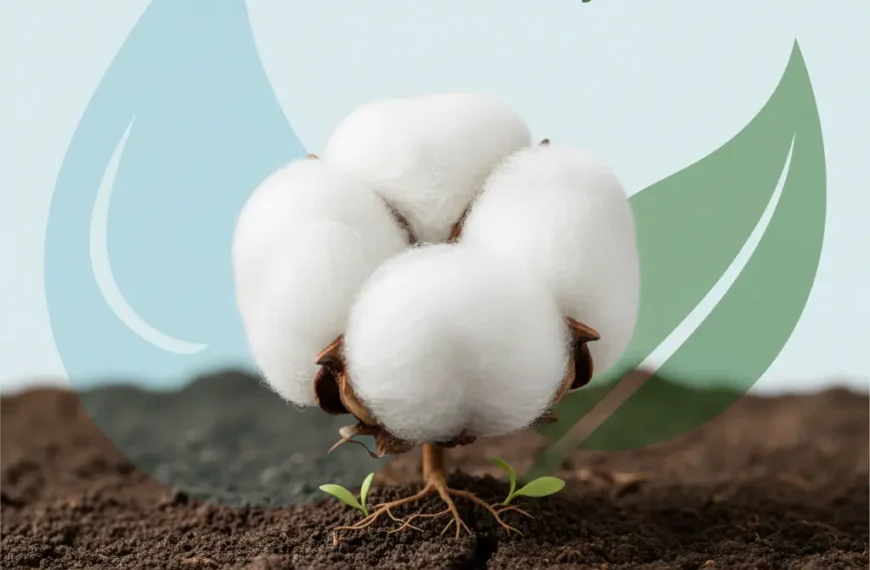
This journey, known as the supply chain, is incredibly complex. It moves from raw material sourcing (like cotton fields or oil refineries) to spinning, weaving, dyeing, cutting, sewing, and finally, transport to the store.
When a label is not transparent, all those stops remain invisible. You only see the final destination, which prevents you from understanding the environmental or social costs incurred along the way.
What Exactly Does ‘Transparency’ Mean Here?
In fashion, transparency means a brand openly sharing verifiable information about every stage of its product’s life cycle. It goes far beyond simply listing the fabric composition and the country of final assembly.
A truly transparent label or accompanying digital data should reveal who made the clothes, where they were made, the working conditions involved, and the environmental impact of the materials and processes.
It’s the difference between a label saying ‘100% Cotton, Made in Bangladesh’ and a brand detailing the specific cotton farm, the textile mill’s energy consumption, and the factory where the sewing took place, along with its labor audit scores.
Why Transparency Empowers You, the Consumer
The core reason for demanding transparency is that it transfers power from the corporation back to the shopper. You can only make an ethical choice if you have all the necessary information.
Without clarity, a consumer is forced to take a brand’s marketing claims at face value. Transparency provides the proof, allowing you to vote with your wallet for companies that meet high ethical and sustainable standards.
When brands know their entire process is subject to public scrutiny, they are heavily incentivized to improve their practices. Transparency drives accountability.
The Ethical Imperative: Fair Labor
The lack of transparency often hides poor labor conditions, including low wages, excessive hours, and unsafe factory environments. When you can trace a garment, you can verify that the people who made it were treated fairly.
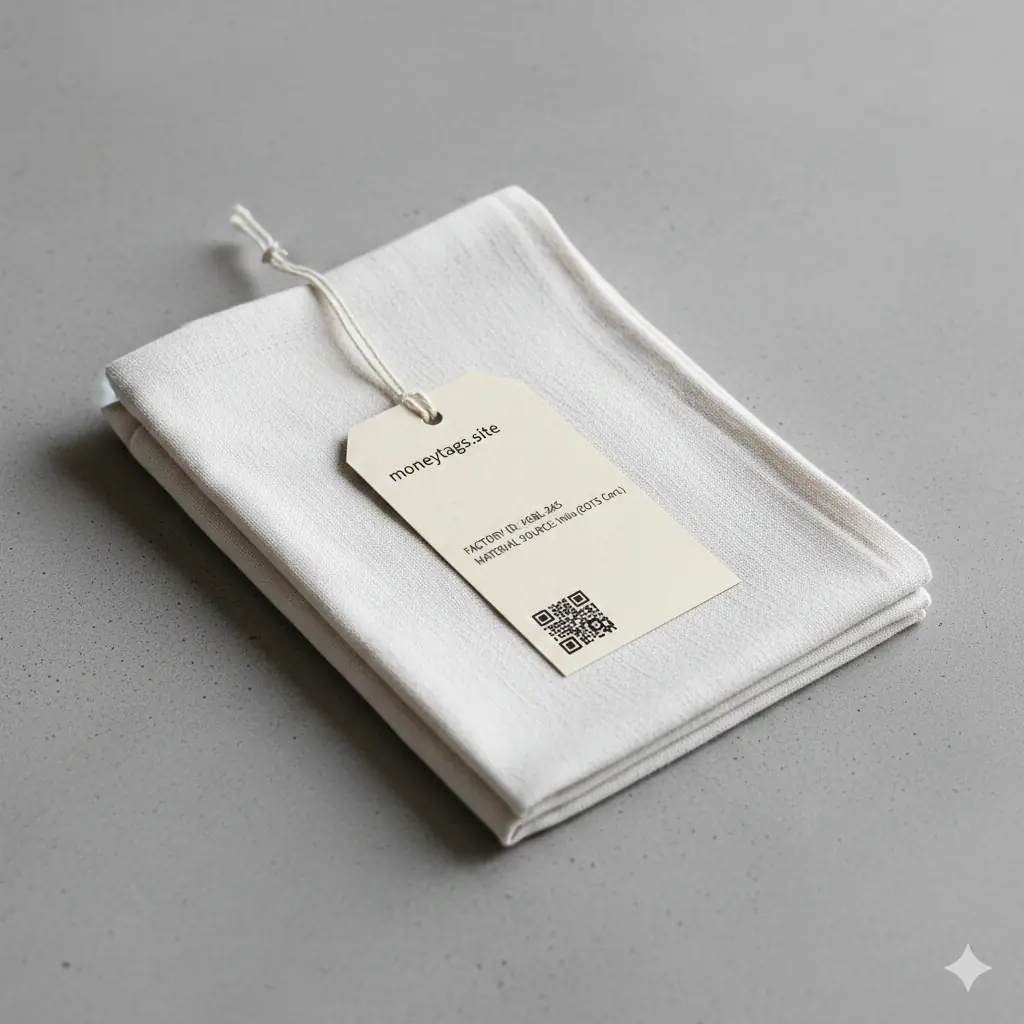
For example, if a label clearly lists the manufacturing factory, third-party organizations can audit that facility’s labor standards. This detail is a powerful tool against exploitation in the global supply chain.
A clear factory location is your guarantee that someone, somewhere, is checking that workers are not facing forced labor or extreme poverty wages. It’s a small detail with huge human impact.
The Environmental Imperative: Sustainable Choices
The fashion industry is one of the world’s largest polluters, consuming vast amounts of water and creating substantial textile waste. Transparency helps you assess a product’s environmental footprint.
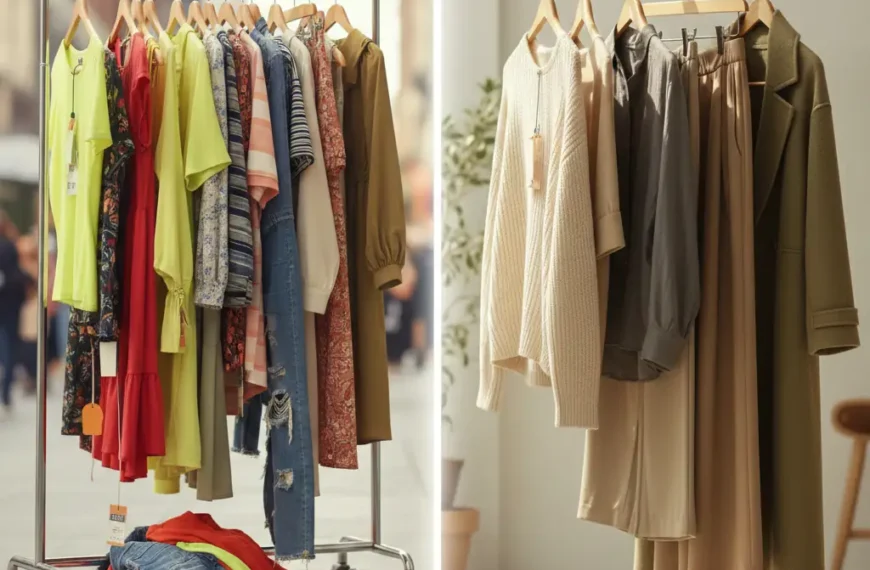
Imagine two shirts: one label just says ‘Polyester,’ and the other details ‘Recycled Polyester derived from plastic bottles using a low-impact dyeing process.’ This information allows you to choose the greener option.
Knowing the origin of materials, the water usage, and the chemical management used in dyeing helps you avoid products that are highly destructive to the planet. It’s about choosing resource efficiency over careless waste.
Decoding the Current Label Landscape
Right now, fashion labels are typically required by law to provide only basic information. This usually includes fiber content, country of final assembly, and care instructions. This is the minimum, not the goal.
However, many forward-thinking brands are voluntarily going further, using QR codes or digital passports alongside the physical label. Scanning these codes leads you to a brand’s detailed sustainability report or supply chain map.
Look for terms that go beyond vague marketing buzzwords like ‘eco-friendly’ or ‘responsible.’ Seek specific, quantifiable data and certifications from reputable third-party auditors.
Comparison: Opaque vs. Transparent
| Opaque Labeling (Minimal) | Transparent Labeling (Ideal) |
|---|---|
| 100% Cotton, Made in China | Organic Cotton (GOTS certified), Made in Factory X (Sedex audited) |
| Minimalist care instructions | Water usage/Energy usage metrics for garment production |
| No mention of materials source | Traceability map from farm to final factory |
The table illustrates how true transparency replaces generic statements with verifiable facts. It moves from general claims to precise, actionable details.
The Role of Data and Technology
New technologies, particularly blockchain, are revolutionizing supply chain traceability. This technology creates an immutable, secure ledger of a product’s journey.
When a farm harvests cotton or a factory pays its workers, that information is recorded onto the blockchain. This makes it impossible for the data to be altered later, ensuring the label’s story is truthful.
This level of data integrity is the future of fashion transparency. It helps combat ‘greenwashing’—when a brand deceptively markets itself as sustainable without evidence—by making verifiable proof the standard expectation.
📈 Key Statistics on Consumer Demand
Consumer behavior clearly shows a strong preference for brands that are open about their practices. This movement is not a niche trend; it is becoming mainstream.
- Approximately 70% of consumers globally say they want to know more about the ethical and environmental impact of the brands they buy.
- A majority of shoppers are willing to pay a premium for a product from a company that offers complete supply chain transparency.
- Over 50% of consumers report checking labels or packaging for sustainability certifications before purchasing.
These numbers prove that transparency is not just an ethical obligation for brands, but a genuine market opportunity. Consumers are actively seeking this information.
💡 Tips for Shopping with Transparency in Mind
You don’t need to be an expert to start making better choices. Here are a few simple steps you can take today to encourage transparency in your own shopping habits.
How to Be a Transparency-Focused Shopper
- Look for More Than the Minimum: Don’t settle for ‘Made in X.’ Look for brands that name the actual factories or mills involved in production.
- Scan the QR Code: If a garment has a QR code, take the 30 seconds to scan it and explore the information offered. This signals to the brand that the feature is valued.
- Check Reputable Indexes: Consult resources like the Fashion Transparency Index, which ranks brands based on how much information they disclose about their policies, production, and supply chain.
- Ask Questions: If a brand makes a sustainability claim but doesn’t back it up, send them a message on social media or email. Your query increases the pressure for public disclosure.
- Demand Certifications: Look for independent certifications like GOTS (Global Organic Textile Standard), Fair Trade Certified, or Bluesign, which verify specific standards have been met.
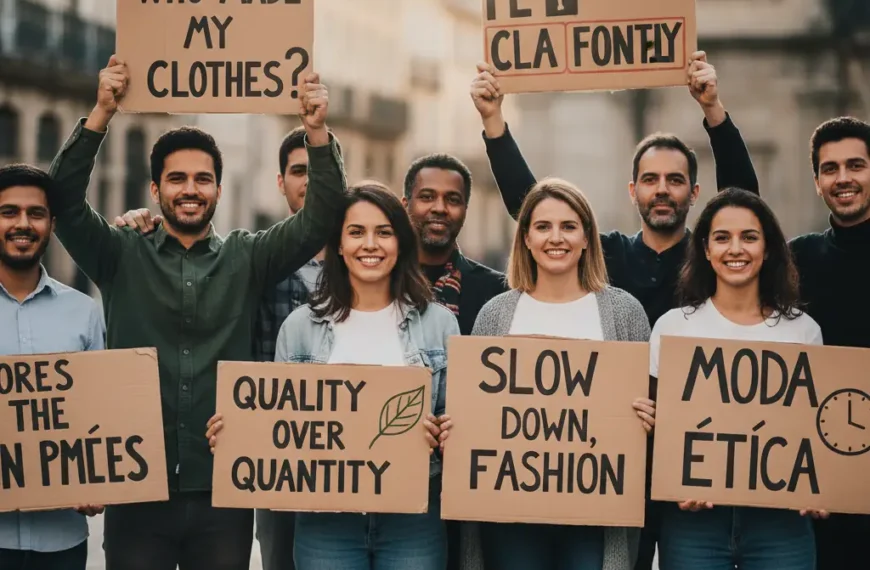
By consciously seeking out detailed information, you are participating in a powerful movement. Each purchase you make is a vote for a more ethical, accountable, and sustainable fashion industry.
The Future of Fashion Is Open
The drive for transparency is irrevocably changing the way clothes are made and sold. It moves us away from a culture of hidden costs toward one of shared responsibility.
True transparency makes fashion labels a tool for good, allowing consumers to align their closets with their consciences. It’s a collective effort, and your attention to the label is the most important part.
Keep asking questions, keep looking past the simple price tag, and demand the full story behind what you wear. The story of your clothes is the story of our planet and its people.
 By
By