
🌱 Why Ethical Clothing Matters (It’s More Than Fabric!)
Choosing a new outfit shouldn’t mean unknowingly supporting poor labor practices or environmental damage. For a long time, the fashion industry has been a bit of a maze, especially when you want to make thoughtful choices.
But the good news is that becoming an ethical shopper isn’t as hard as you might think. It’s simply about shifting how you look at a garment, from the moment you see it on the rack to when you check the tag.
We’re going to break down the key indicators that tell you a piece of clothing was made with respect—for the people who created it and the planet we all share. Ready to shop smarter?
🔍 The First Step: Look for Transparency and Certifications
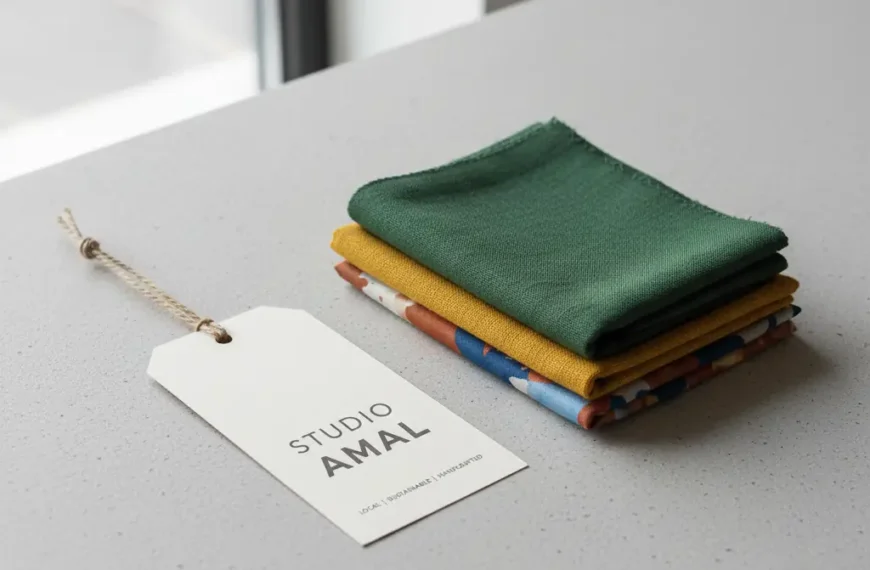
In the ethical fashion world, transparency is everything. A brand that is truly committed to ethical production will happily share details about their supply chain, not hide them.
They should be able to tell you where their materials come from and the specific factories where their garments are sewn. If a brand gives vague answers like “it’s made overseas” or “we follow all local laws,” that’s often a red flag.
Recognizing Key Certifications
Certifications act like a trustworthy stamp of approval from an independent third party. They take the guesswork out of the process by verifying a brand’s claims about their practices.
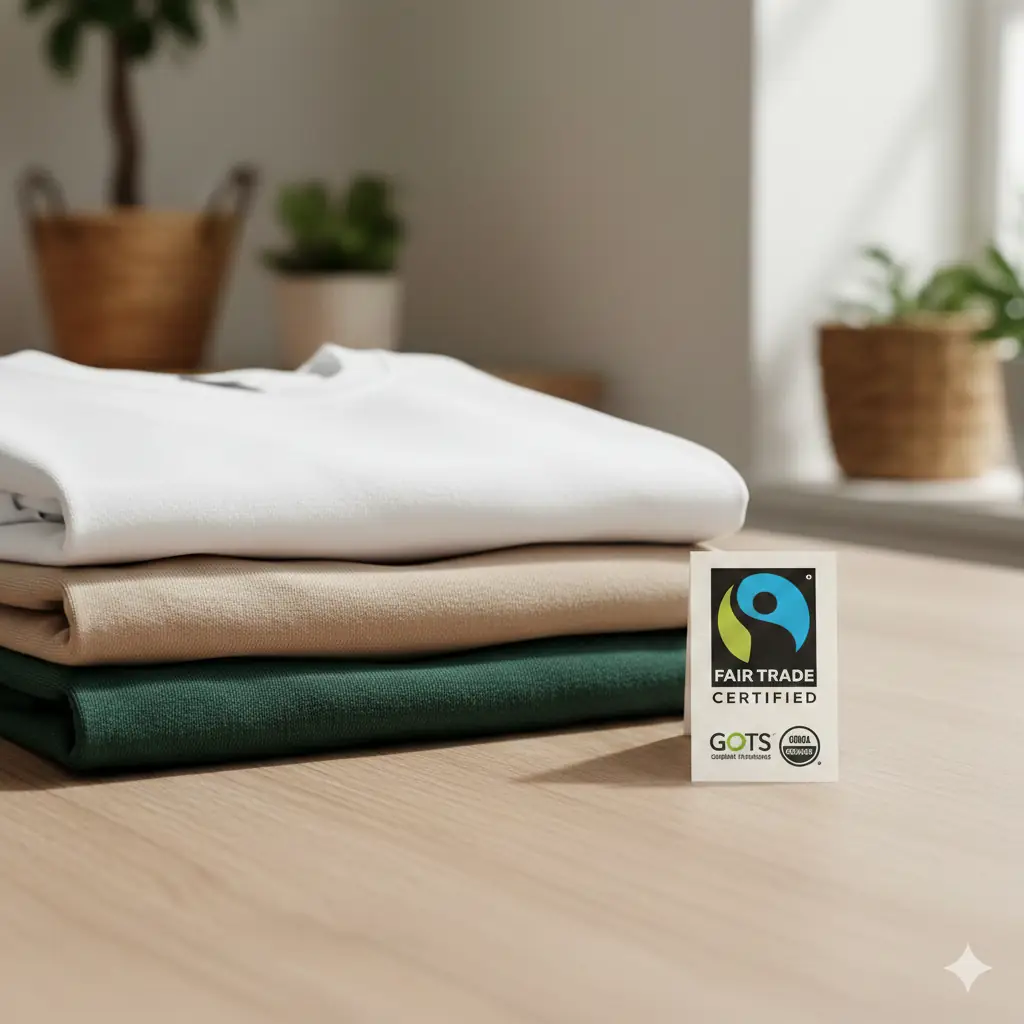
Look out for seals like Fair Trade Certified. This means that workers received fair wages, have safe working conditions, and can form democratic organizations.
For materials, the Global Organic Textile Standard (GOTS) is a great sign. It ensures that the entire process, from harvesting the raw materials to the final product, meets strict environmental and social criteria.
Seeing these labels on a tag or a brand’s website is a confident sign that someone else has already done a lot of the homework for you.
💰 Understanding the Price Tag: The True Cost
Let’s be honest, ethical clothing often costs more than a fast-fashion alternative. But this difference in price is one of the clearest ethical indicators you can find.
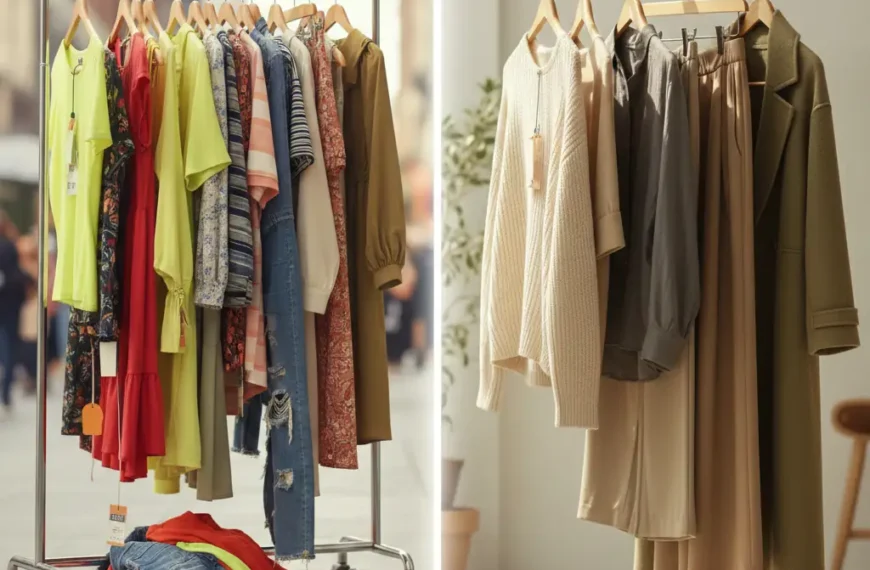
When a t-shirt costs less than your lunch, it’s a strong signal that someone, somewhere, is not being paid a living wage. The price you pay should reflect the true cost of a quality product made by fairly compensated hands.
Think of the price as an investment. You are paying for durable materials, skilled labor, and sustainable practices. A $70 ethical dress that lasts five years is a better value than a $20 fast-fashion dress you replace every season.
🧵 Decoding the Fabric: Sustainability Clues
What a garment is made of is just as important as where it was made. The materials a brand chooses speak volumes about their environmental commitment.
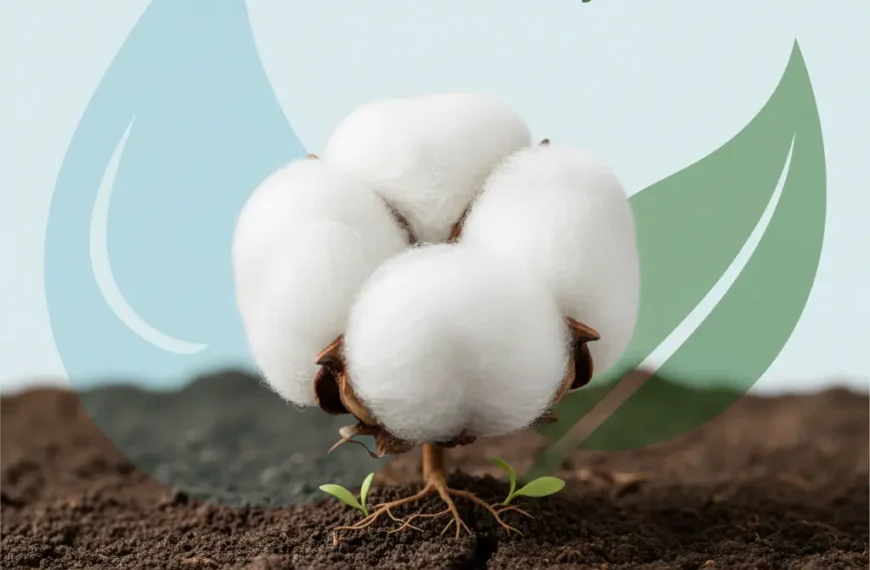
Look for materials that require less water or fewer pesticides to produce. Organic cotton is a fantastic choice because it’s grown without toxic chemicals, which is better for the farmers and the land.
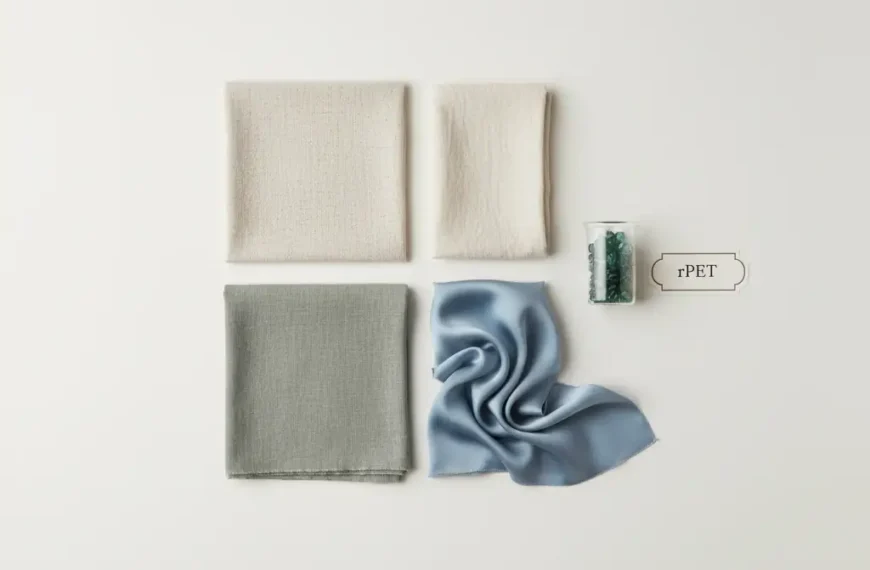
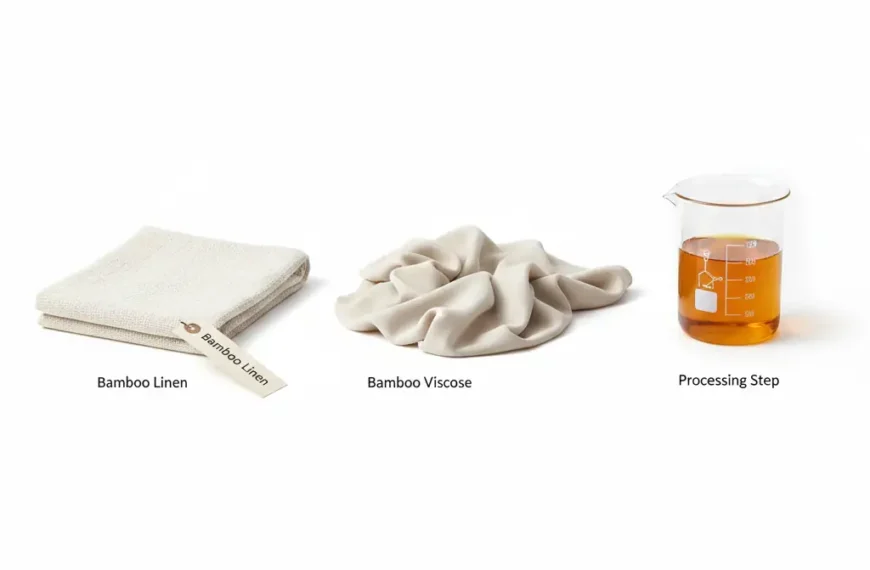
Other excellent sustainable fibers include Tencel™ (Lyocell), which is made from wood pulp in a closed-loop system that recycles water and solvents, or recycled materials like recycled polyester made from plastic bottles.
If you see virgin synthetics like standard polyester, nylon, or acrylic without any further ethical context, it’s worth asking the brand what steps they take to manage the environmental impact of those materials.
💖 Brand Story & Corporate Behavior
A brand’s website is a treasure trove of information—or lack thereof. An ethical company doesn’t just treat its factory workers well; it operates with integrity at every level.
Look for a detailed ‘About Us’ or ‘Sustainability’ page. Do they talk about their specific goals? Are they open about where they are falling short and what they are doing to improve?
Ethical brands don’t just sell clothes; they sell a commitment. They might host community clean-ups, donate a portion of their profits, or use packaging that is 100% compostable. These small details paint a bigger, better picture.
Consider their sizing, too. A truly ethical brand strives for inclusivity in all forms, which should extend to offering a wide, realistic range of sizes for all body types.
📝 Practical Tips for the Ethical Shopper
Practical Steps to Take Today
- Ask Questions Directly: Don’t hesitate to message a brand on social media or email customer service asking, “Where is this item made?” Their willingness (or hesitation) to answer is often the first clue.
- Check the ‘Workers’ Section: When visiting a brand’s website, search for specific terms like “living wage,” “factory audits,” and “worker empowerment.” General terms like “ethical” are not enough.
- Look for Detailed Product Descriptions: Ethical brands often provide a lot of detail about the item’s journey—for example, “GOTS certified organic cotton, dyed in a facility powered by solar energy in Portugal.”
- Embrace Pre-Owned and Vintage: The most ethical piece of clothing is one that already exists. Shopping second-hand removes the need for new resources and labor.
⭐ Making Confident, Conscious Choices
It’s important to remember that nobody is perfect, and you don’t have to switch your entire wardrobe overnight. The goal here isn’t perfection; it’s conscious effort and continuous learning.
By starting to look for transparency, recognizing key certifications, and understanding the true cost of production, you gain the power to shop with confidence.
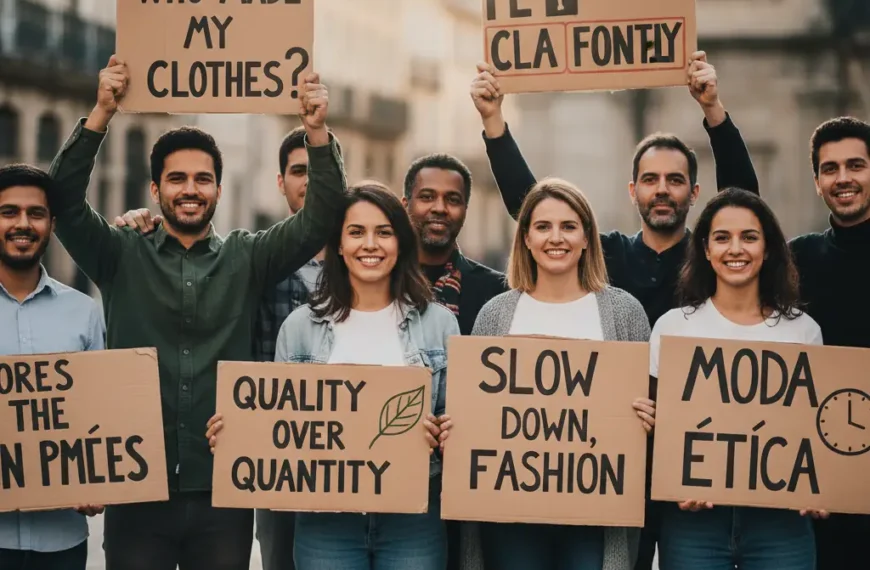
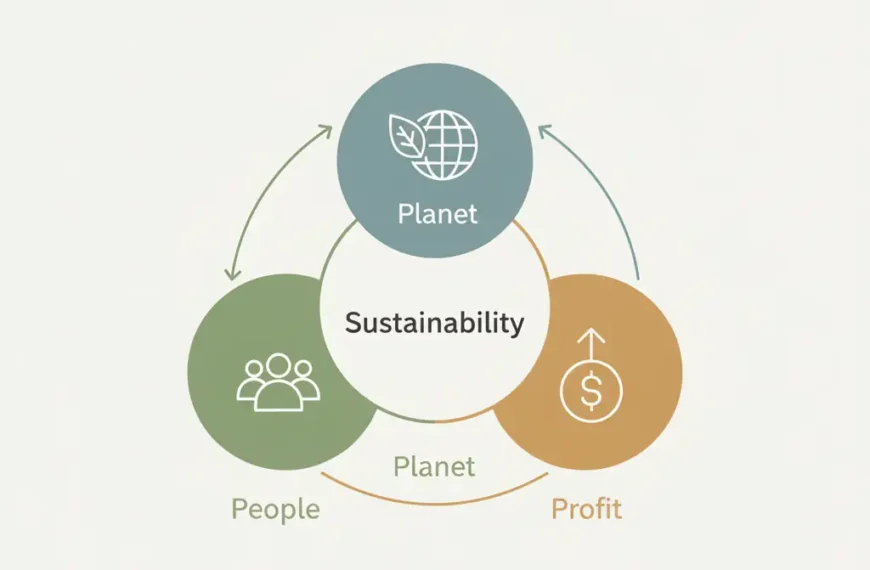
Every time you choose a brand that prioritizes people and the planet, you are casting a vote for a better fashion industry. Keep asking those questions, keep looking for those certifications, and wear your ethical clothes with pride!

 By
By