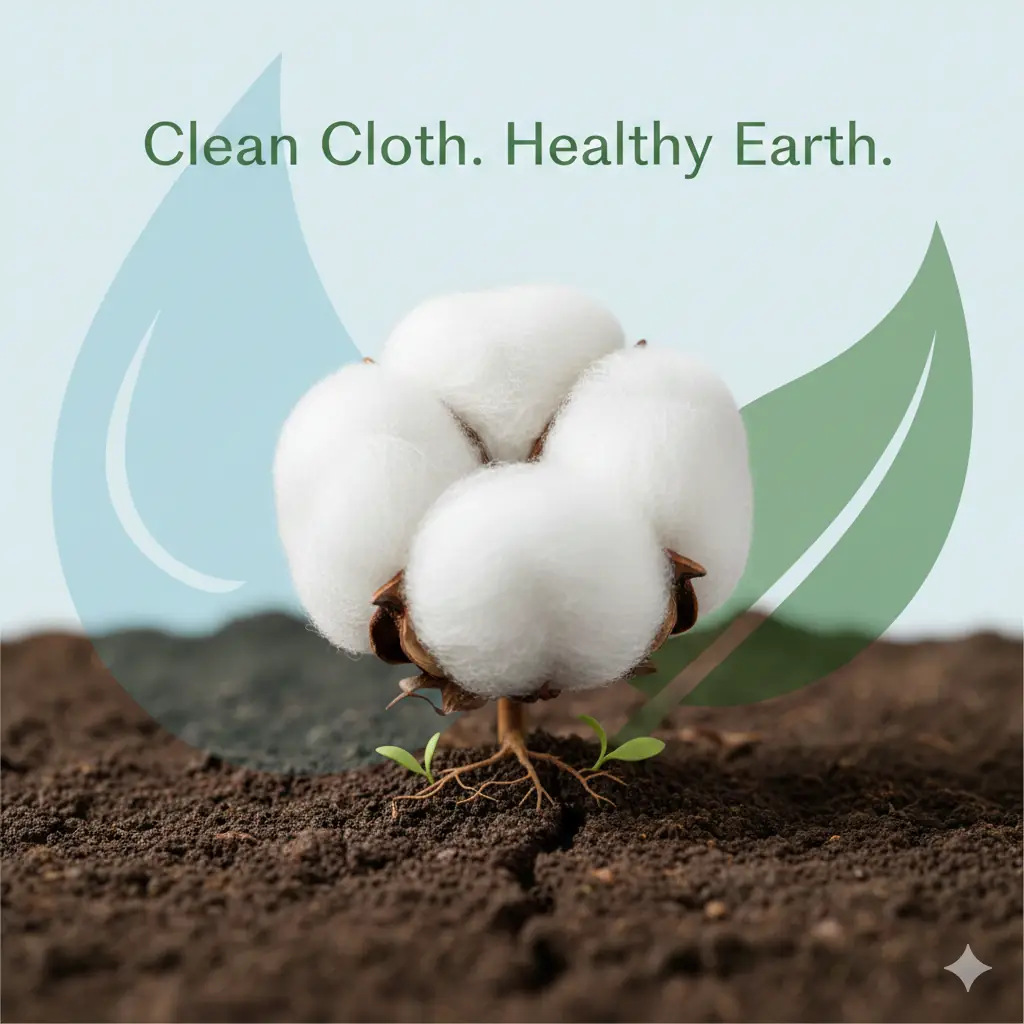

🌱 The Gentle Revolution: Understanding Organic Cotton
Choosing your wardrobe can feel like a small decision, yet every thread tells a story. When you pick up a t-shirt, do you ever wonder about its journey from seed to closet?
For decades, conventional cotton has been a staple, but its production is notoriously tough on the planet and the people who grow it. It’s often called one of the ‘dirtiest’ crops due to its heavy reliance on synthetic chemicals.
This is where organic cotton steps in, offering a much-needed breath of fresh air. It’s a conscious choice that benefits the soil, the farmers, and ultimately, your own skin.
Simply put, organic cotton is grown without the use of toxic pesticides, synthetic fertilizers, or genetically modified seeds. It’s cotton grown the way nature intended, honoring the health of the entire ecosystem.
Let’s dive into the powerful reasons why making the switch to organic cotton is one of the smartest ‘money tags’ you can put on your clothing budget and your conscience.
🌎 A Kinder Footprint: Environmental Benefits
The environmental case for organic cotton is incredibly compelling, touching on everything from water use to climate change mitigation.
Think of it like this: conventional farming is a thirsty gas-guzzler, while organic farming is a rain-fed, hybrid engine.
💧 Massive Water Savings
Conventional cotton is famously water-intensive, often demanding vast amounts of irrigation that can deplete local water sources, sometimes tragically, like the Aral Sea disaster.
Organic cotton, however, is predominantly rain-fed. Healthy, organically-farmed soil acts like a sponge, retaining water much better than chemically-depleted soil.
Studies show organic cotton can reduce ‘blue water’ consumption—water drawn from surface or groundwater sources—by up to 91% compared to its conventional cousin. That’s a huge, life-changing difference for water-stressed regions.
🚫 Say Goodbye to Toxic Chemicals
Conventional cotton farming is responsible for a massive percentage of the world’s insecticide use. These synthetic pesticides and fertilizers are chemical cocktails that wreak havoc on ecosystems.
When it rains, these toxins can run off into nearby rivers and lakes, polluting drinking water and harming aquatic life. Organic farming completely prohibits their use, relying instead on natural methods.
Farmers use beneficial insects and crop rotation, creating a balanced, natural defense system. This means cleaner waterways, healthier wildlife, and safer food sources for surrounding communities.
✨ Better for the Soil, Better for the Climate
Crop rotation and natural fertilizers, like compost, are key components of organic farming. These practices build up organic matter in the soil, which helps it become more resilient and fertile.
Crucially, healthier soil is a massive carbon sink, meaning it actively pulls carbon dioxide from the atmosphere and stores it underground. By choosing organic, you’re helping to mitigate climate change with every single garment.
It’s the textile equivalent of planting a tiny tree—a wonderful feeling to wear, right?
💖 The Personal Comfort: Benefits for Your Health
The environmental benefits are significant, but the advantages of organic cotton extend right to your body—the most important benefit for daily wear.
After all the chemical treatments in conventional cotton—from farm pesticides to processing bleaches—traces of these harsh substances can linger in the final fabric.
Do you really want to wear something chemically treated all day long? Probably not.
🧘♀️ Gentle on Sensitive Skin
Organic cotton is inherently chemical-free, making it hypoallergenic. For people with sensitive skin, eczema, or contact dermatitis, this is a game-changer.
Wearing clothing made without residues of pesticides or harsh dyes drastically reduces the chance of skin irritation, rashes, and discomfort. It’s like switching to a clean, all-natural skin care routine for your entire body.
This purity makes organic cotton the preferred choice for baby clothes and bedding, where the skin is most delicate.
🌬️ Superior Comfort and Breathability
All cotton is breathable, but organic cotton’s fibers are often longer and less damaged, as they haven’t been assaulted by harsh chemicals during growing and processing.
This results in an incredibly soft, smooth feel that actually gets better with every wash—unlike some conventional fabrics that wear out quickly. Its natural breathability and moisture-wicking properties keep you cool, dry, and comfortable, whether you’re working out or simply relaxing.
👥 A Fairer System: Social and Economic Benefits
The commitment to organic production is also a commitment to human well-being, extending a layer of protection to the farming communities.
Organic standards prioritize ethical labor, which means safer, more equitable conditions for the people working on the farms.
⚕️ Protecting Worker Health
By eliminating toxic pesticides, organic farming shields farmers and their families from direct, often fatal, exposure to dangerous chemicals. Conventional cotton farming contributes to hundreds of thousands of pesticide poisonings annually.
The switch to organic methods is a literal life-saver, creating a much safer work environment for a vulnerable population.
💰 Financial Stability for Farmers
Organic farming methods encourage crop diversification. Farmers rotate cotton with food crops, providing them with a stable, diverse food supply and an alternate income source.
This reduces their reliance on a single cash crop and expensive synthetic inputs, offering a stronger safety net against unpredictable market changes and climate shifts.
✅ Making the Switch: A Pros & Cons Glance
While the cost may seem higher upfront, organic cotton’s durability and long-term benefits often make it a better value.
| Benefit (Pros) | Consideration (Cons) |
|---|---|
| No exposure to synthetic chemicals/pesticides. | Higher initial cost than conventional cotton. |
| Hypoallergenic, gentle on sensitive skin. | May have fewer options in fast-fashion trends. |
| Reduces water use by up to 91% (rain-fed focus). | Can still wrinkle easily (it’s still cotton!). |
| Improves soil health and sequesters carbon. | Requires looking for credible certifications (GOTS). |
| Supports safer working conditions for farmers. | Slightly less yield per acre than GMO cotton. |
💡 Smart Shopper Tips for Organic Cotton
Navigating the ethical fashion world can be tricky, but a few simple tips will help you make confident purchases.
🔍 Key Certifications to Look For
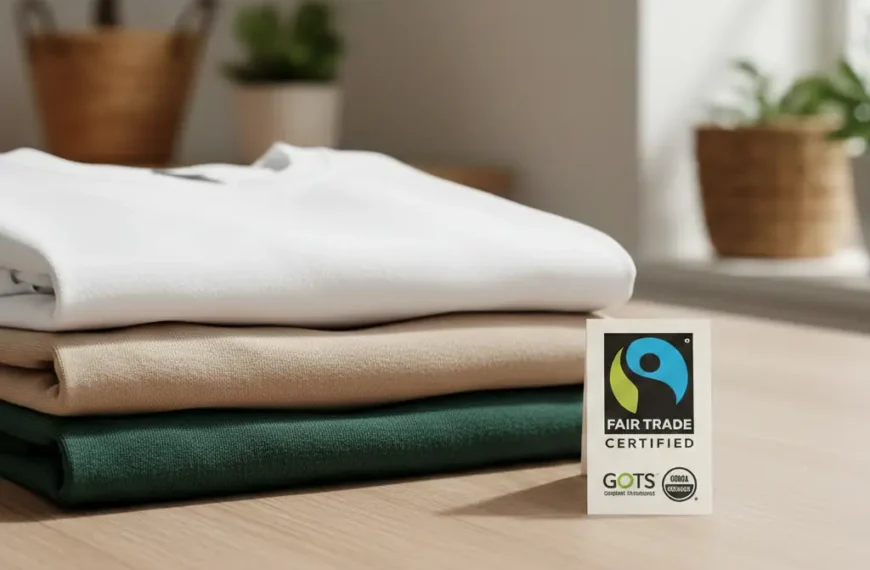
- GOTS (Global Organic Textile Standard): This is the gold standard, covering the entire process from the harvesting of raw materials to environmentally and socially responsible manufacturing.
- OCS (Organic Content Standard): Verifies the presence and amount of organic material in a final product.
Seeing one of these seals is your best assurance that the garment truly delivers on its organic promise.
📌 Organic Cotton Shopping Tips
- Look for ‘100% Organic Cotton’ labels—it’s the best assurance of purity.
- Start with your basics: underwear, socks, t-shirts, and pajamas are items in closest contact with your skin.
- View the higher price not as an expense, but as an investment in quality, health, and a cleaner planet.
📝 A Final Note on Conscious Consumption
Choosing organic cotton is more than just a trend; it’s a tangible act of conscious consumerism. Every purchase signals to the industry that you value sustainability, human health, and ethical practices.
It’s a simple, everyday way to align your spending with your values. You get to wear a garment that feels great on your skin, knowing its production helped preserve water, protect farmers, and build healthier soil.
That feeling of comfort, purity, and purpose is something you can literally wear with pride. The gentle revolution is waiting for your closet!
 By
By