
🌍 Rethinking Laundry: Why Every Load Matters
Laundry is one of those household chores we rarely think about, yet it has a surprisingly big impact on our resource consumption. Every week, millions of washing machines churn through huge amounts of water and energy.
The good news is that shifting to an eco-friendly routine is incredibly easy. Small changes in how we approach our laundry can lead to significant savings for both the planet and your wallet.
We’re going to look at practical, simple steps you can start taking today, from choosing better products to adjusting your machine settings. Let’s make laundry cleaner, in every sense of the word.
💧 The Core Principle: Embrace Cold Water
The single most powerful change you can make to your laundry routine is switching from hot or warm water to cold water. This simple flip is where the majority of your energy savings happen.
Around 90% of the energy used by a washing machine goes toward heating the water, not turning the drum. Using cold water eliminates this energy demand completely.
Modern detergents are highly optimized to clean effectively in cold temperatures, meaning you won’t sacrifice cleanliness. For example, your everyday t-shirts and jeans will come out just as fresh.
When is Cold Water Safe?
For almost all of your daily laundry—colors, delicates, and synthetic fabrics—cold water is perfectly safe and highly recommended. It also protects your clothes by preventing colors from running and fabrics from shrinking.
The only exceptions are heavily soiled items (like reusable diapers) or when a family member has been ill. For these rare cases, a warm cycle with a non-toxic sanitizer might be appropriate.
🧪 Choosing Your Clean: Detergent Matters
Once you’ve mastered the temperature, the next step is looking closely at what you’re putting into the machine. Traditional detergents often contain harsh chemicals that end up in our waterways.
Look for biodegradable formulas that break down naturally and safely. Avoid products containing phosphates, chlorine bleach, or petrochemicals, which are detrimental to aquatic life.
- Detergent Pods: Look for brands using non-toxic ingredients and fully dissolvable casings, like PVA (Polyvinyl Alcohol).
- Laundry Strips/Sheets: These are highly concentrated, zero-plastic options that dissolve completely and save on shipping weight and space.
- DIY Solutions: You can even explore making your own using natural ingredients like washing soda and soap flakes, though this requires a bit more effort.
Remember, more suds do not equal a better clean. Stick to the recommended dosage—it’s often less than you think. Overdosing wastes product and can leave residue on your clothes.
⚙️ Optimizing the Machine: Load Size and Efficiency
The efficiency of your actual machine use is another critical point. How you load the machine affects water usage, spin speed, and overall energy expenditure.
The general rule of thumb is to always run full loads. If you absolutely must wash a smaller batch, ensure you select the appropriate ‘small load’ or ‘eco-mode’ setting on your machine.
Another excellent hack is utilizing your machine’s high-speed spin cycle. This extracts more water, meaning your clothes will need less time (or heat) in the dryer, which saves energy.
Also, don’t forget to clean your lint filter and washing machine drum regularly! A well-maintained machine runs much more efficiently and gives better results.
💨 Ditch the Dryer: The Air-Dry Advantage
The second biggest energy hog in the laundry room, right after the hot water heater, is the clothes dryer. Switching to air-drying is one of the most satisfying eco-swaps you can make.
| Air-Drying (The Eco Way) | Machine Drying (The Traditional Way) |
|---|---|
| Saves 100% of drying energy costs. | Consumes significant energy (often high kilowatt hours). |
| Extends the life of clothing by protecting fibers. | Heat can damage elasticity and cause shrinkage. |
| Naturally freshens clothes with outdoor air (if possible). | Can leave clothes with a ‘scorched’ or static odor. |
If you have outdoor space, a clothesline is ideal. If not, invest in a simple folding drying rack. It doesn’t take up much space and is perfect for small apartment living.
The simple act of hanging clothes to dry is incredibly meditative and gentle on your clothes. Your delicates, in particular, will thank you for skipping the high heat.
✨ Beyond the Wash: Extending Clothing Life
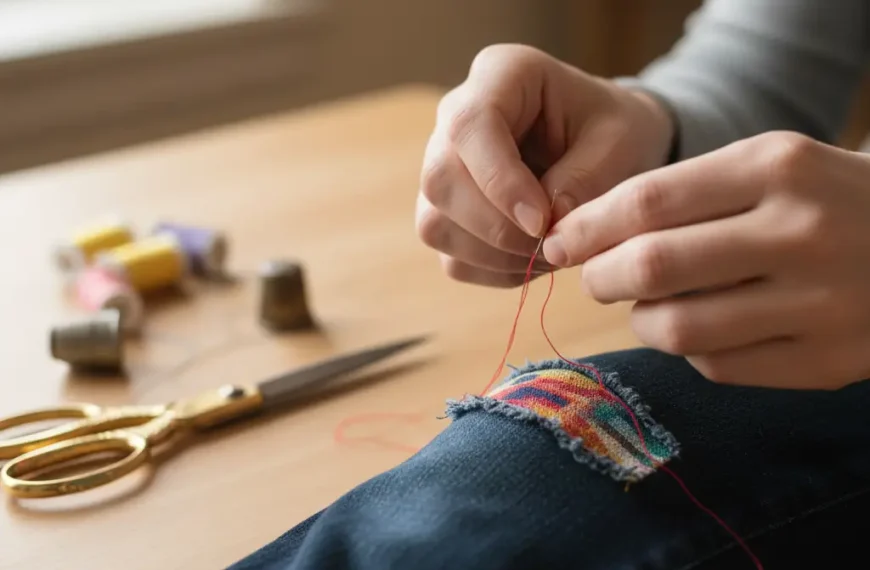
The most eco-friendly clothes washing is the one you skip entirely. By caring for your garments thoughtfully, you reduce the overall number of washes needed.
Spot-clean small spills immediately instead of tossing the whole garment in the hamper. For instance, dab a coffee spill on your sweater with a damp cloth instead of running a full cycle.
And remember the power of simple airing! Many items, especially wool sweaters, blazers, and dark denim, just need to be hung in a well-ventilated area for a day to refresh them, not a full wash.
Making your laundry routine eco-friendly is about intentional habit changes. By embracing cold water, choosing natural detergents, and skipping the dryer, you create a powerful ripple effect—cleaner clothes, less waste, and a healthier planet. It’s a win-win-win!

 By
By